
Shaving & Aftercare: How to Get a Clean Shave and Take Care of Your Skin
A close, comfortable shave can feel like the perfect start to the day, but for many men, it's a source of constant frustration. The dream of smooth, clear skin is often replaced by the reality of redness, irritation, and persistent razor bumps. Many men struggle with a 5 o'clock shadow that seems to appear just hours after shaving, making it impossible to maintain a clean, professional look throughout the day.
This cycle of irritation and stubble can feel endless, leading to a cabinet full of products that promise relief but rarely deliver. The confusion doesn't stop there; choosing the right shaving tools can be a daunting task. The market is flooded with options, from multi-blade cartridges to sophisticated electric shavers, and knowing which one is right for your skin type is half the battle.
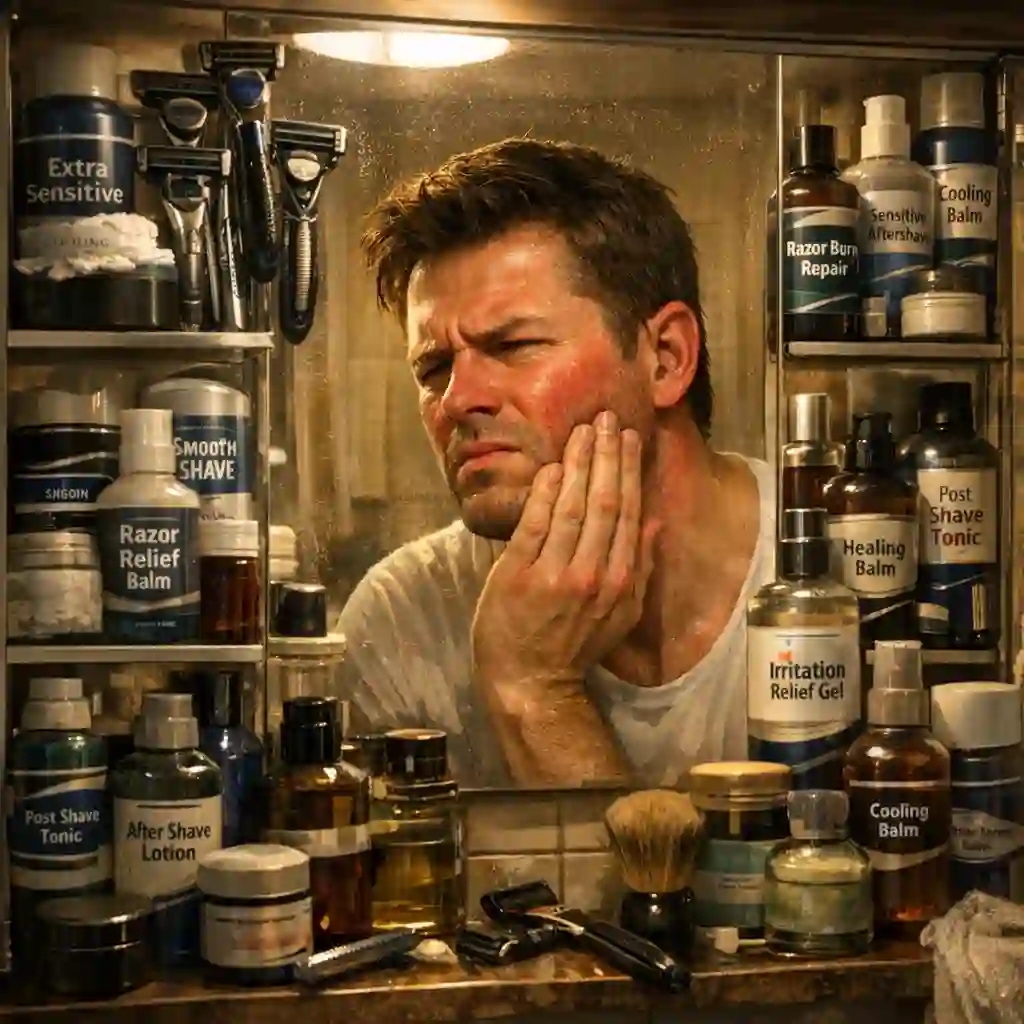
Then comes aftercare, a critical step that is often overlooked. Finding the right aftercare products, especially for those with sensitive skin, can be a game-changer, yet it remains a significant challenge for many. This guide is designed to cut through the noise and provide clear, actionable advice on achieving the perfect shave and maintaining healthy skin. We will explore everything from preparation and technique to choosing the right tools and mastering your aftercare routine.
1. How to Get the Cleanest Shave
Achieving a truly clean shave is an art form that balances preparation, technique, and the right tools. Many men rush through their morning routine, treating shaving as a chore rather than a moment of self-care. This haste often leads to nicks, cuts, and irritation, undermining the very goal of a smooth finish.
The secret to a superior shave lies not just in the act of shaving itself, but in the entire process that surrounds it. From the moment you step into the bathroom to the final splash of aftershave, every step plays a crucial role in the health and appearance of your skin. By dedicating a few extra minutes to a proper shaving ritual, you can transform your daily shave from a painful necessity into a satisfying experience.
This section will break down the essential components of a clean shave, offering practical tips to help you master the fundamentals and achieve consistently smooth results.
1.1 Prep work: why it matters more than the shave itself
Proper preparation is the foundation of a great shave, and it is often the most neglected step. Many men believe the quality of the shave depends solely on the razor, but what you do before the blade touches your skin is far more important. The primary goal of prep work is to soften both your skin and your facial hair, which makes the hair easier to cut and reduces the likelihood of irritation.
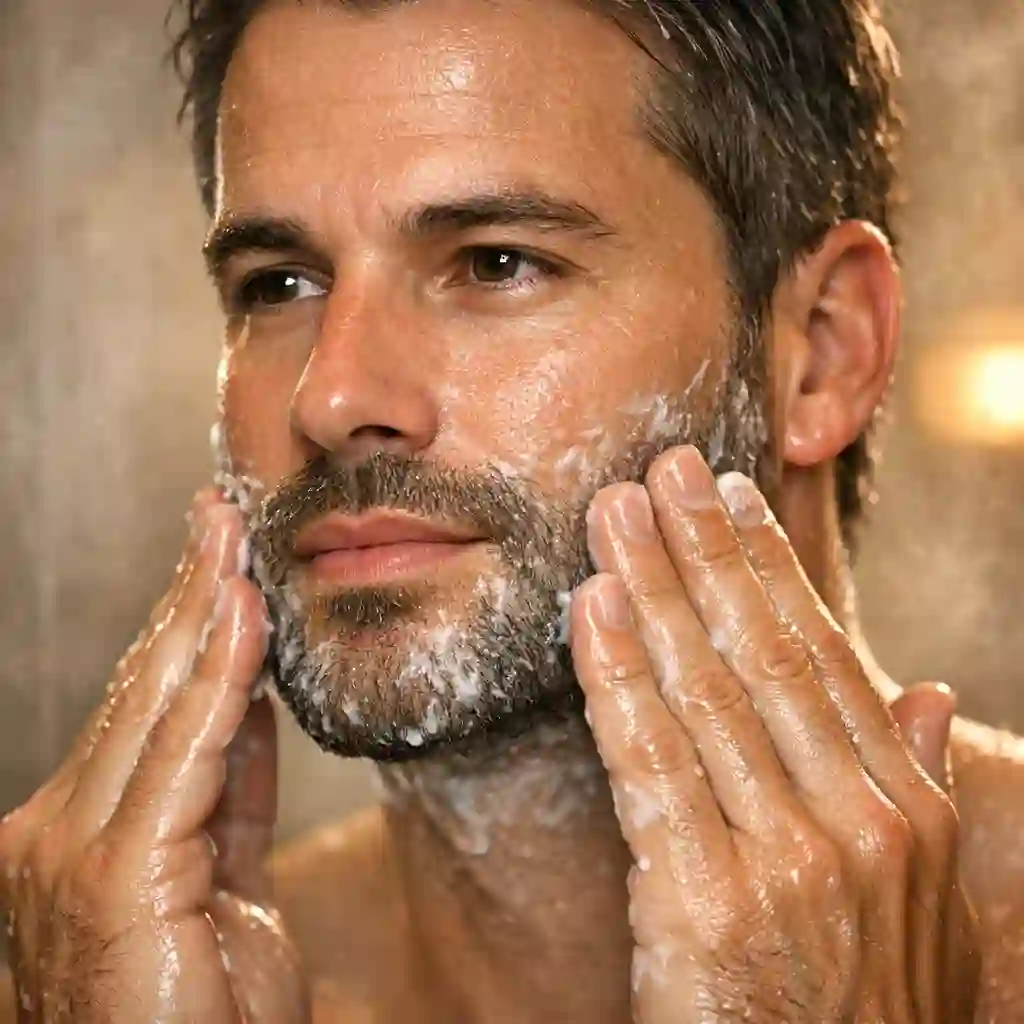
Starting with a warm shower is an excellent way to open up your pores and soften your beard. The steam and hot water work together to make your facial hair more pliable, allowing the razor to glide smoothly rather than tugging at the hairs. If you don't have time for a shower, washing your face with warm water and a gentle cleanser will also do the trick.
Applying a pre-shave oil or cream can provide an extra layer of lubrication, further protecting your skin from the blade and ensuring a closer, more comfortable shave.
1.2 Wet shaving technique: direction, pressure, and blade choice
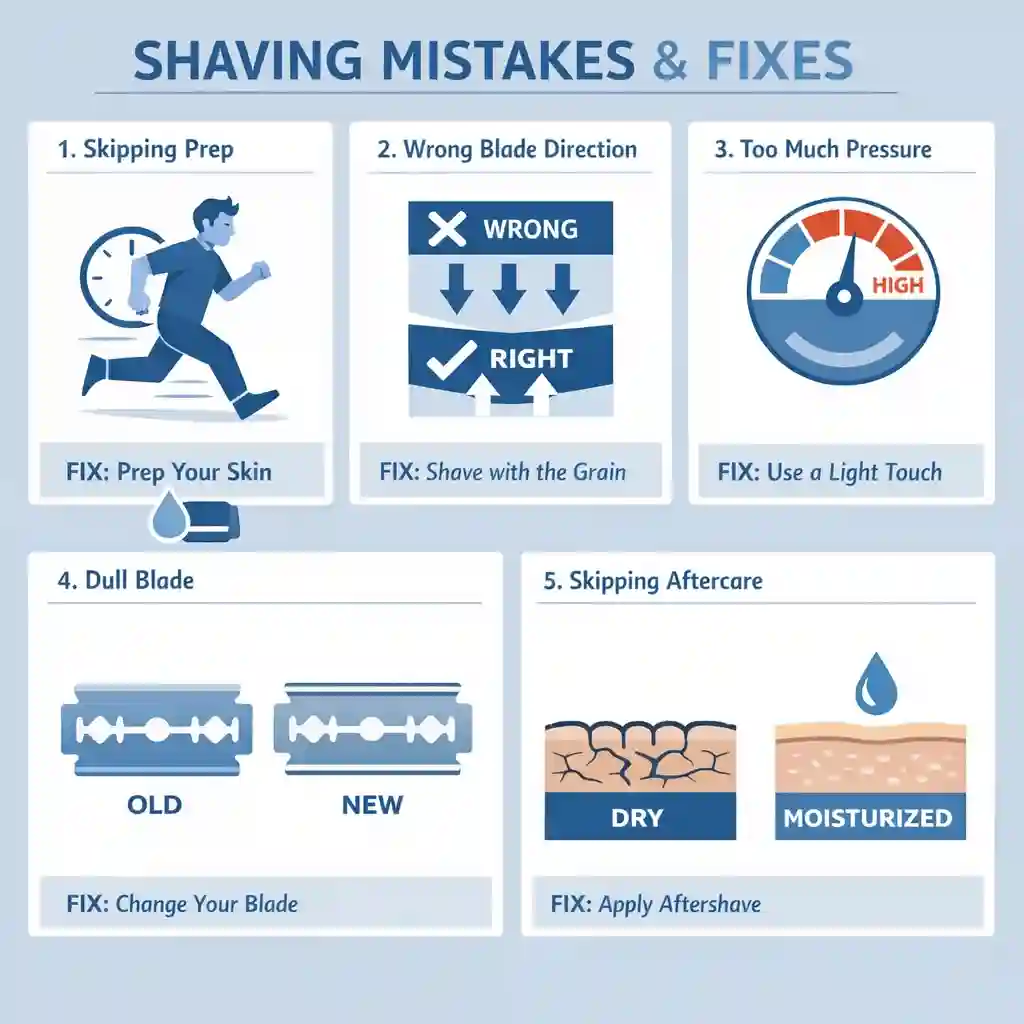
The art of wet shaving hinges on three key elements: the direction of your strokes, the amount of pressure you apply, and the type of blade you use. Shaving with the grain, or in the direction of your hair growth, is the most important rule to follow for preventing irritation and razor bumps. While shaving against the grain might feel like it gives you a closer shave, it dramatically increases the risk of cutting the hair beneath the skin's surface, leading to ingrown hairs.
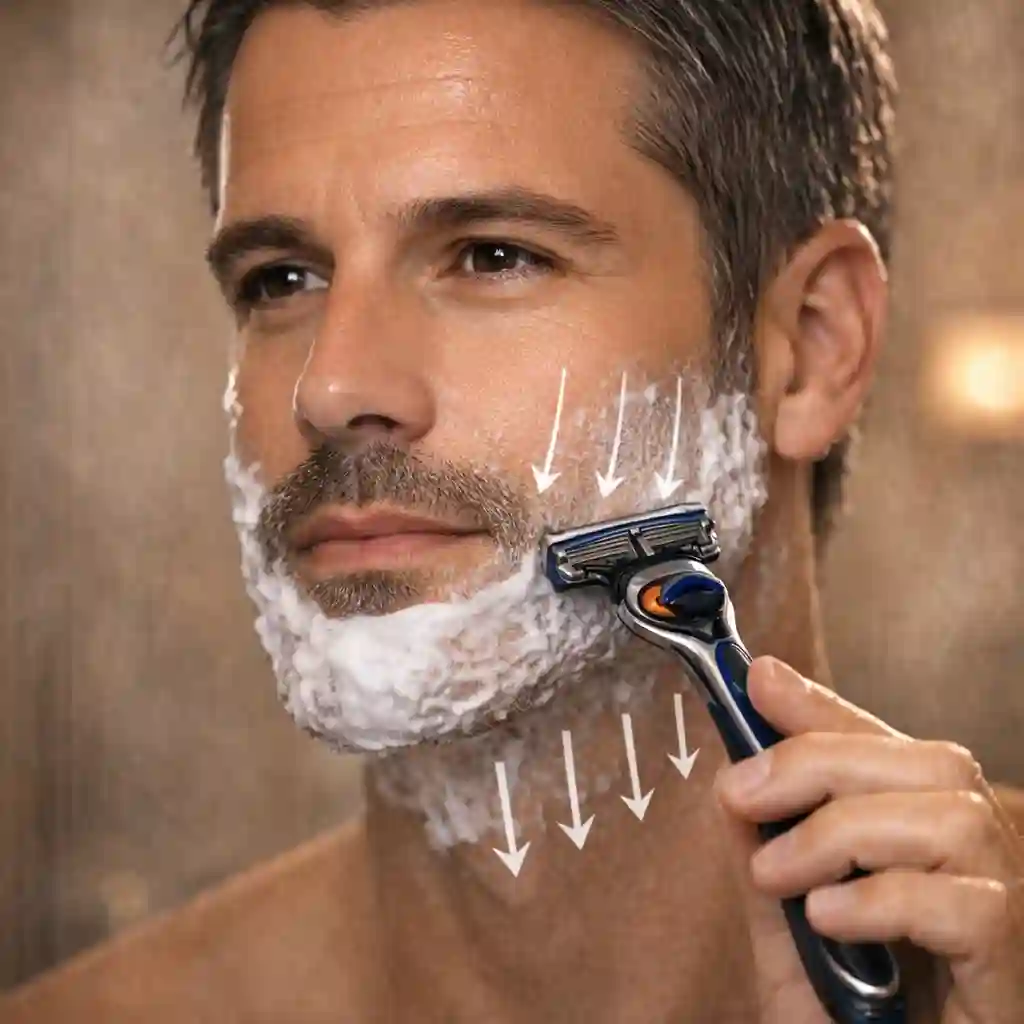
For an even closer shave, you can re-lather and shave across the grain on a second pass. Applying the right amount of pressure is also critical; you should let the weight of the razor do the work. Pressing too hard will only lead to nicks, cuts, and razor burn.
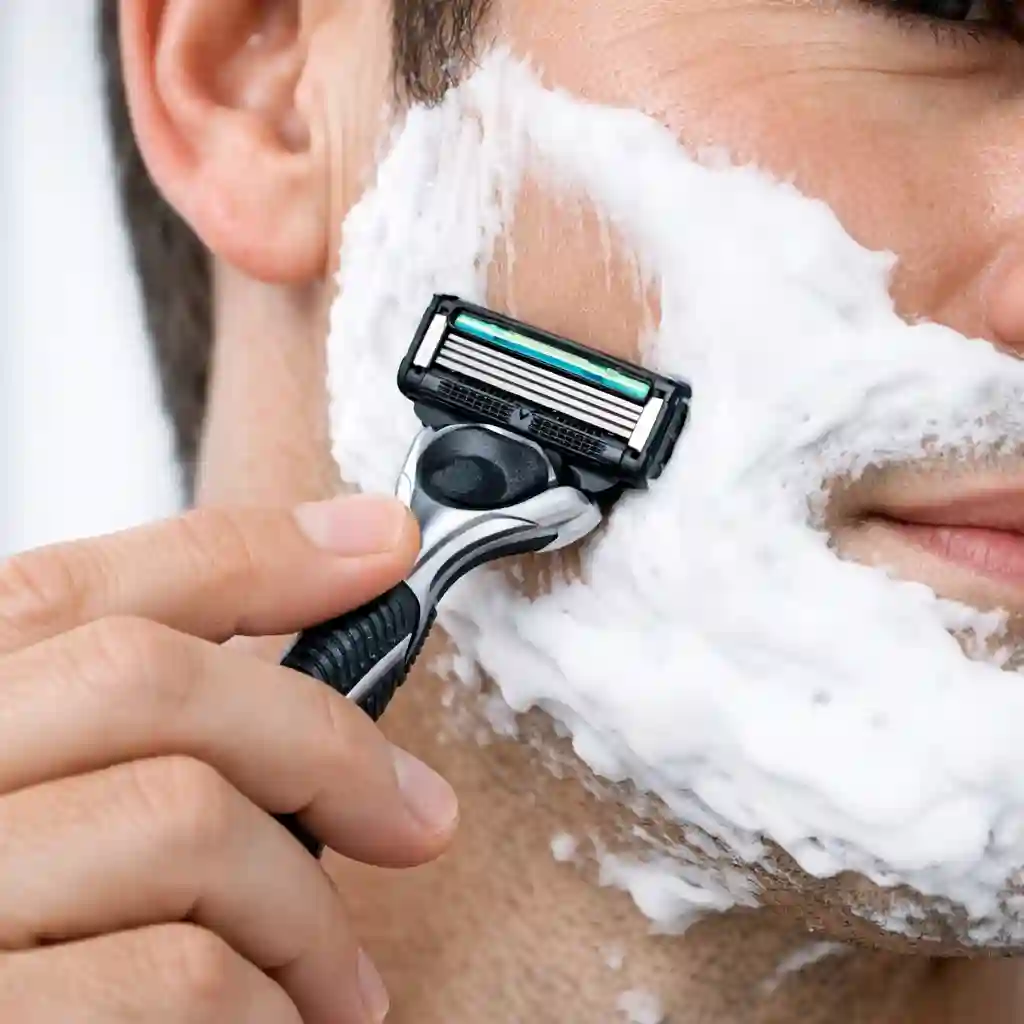
Finally, the blade you choose matters. A sharp, clean blade is essential for a smooth shave, so be sure to replace your blades regularly. For most men, a high-quality multi-blade razor or a traditional safety razor will provide excellent results.
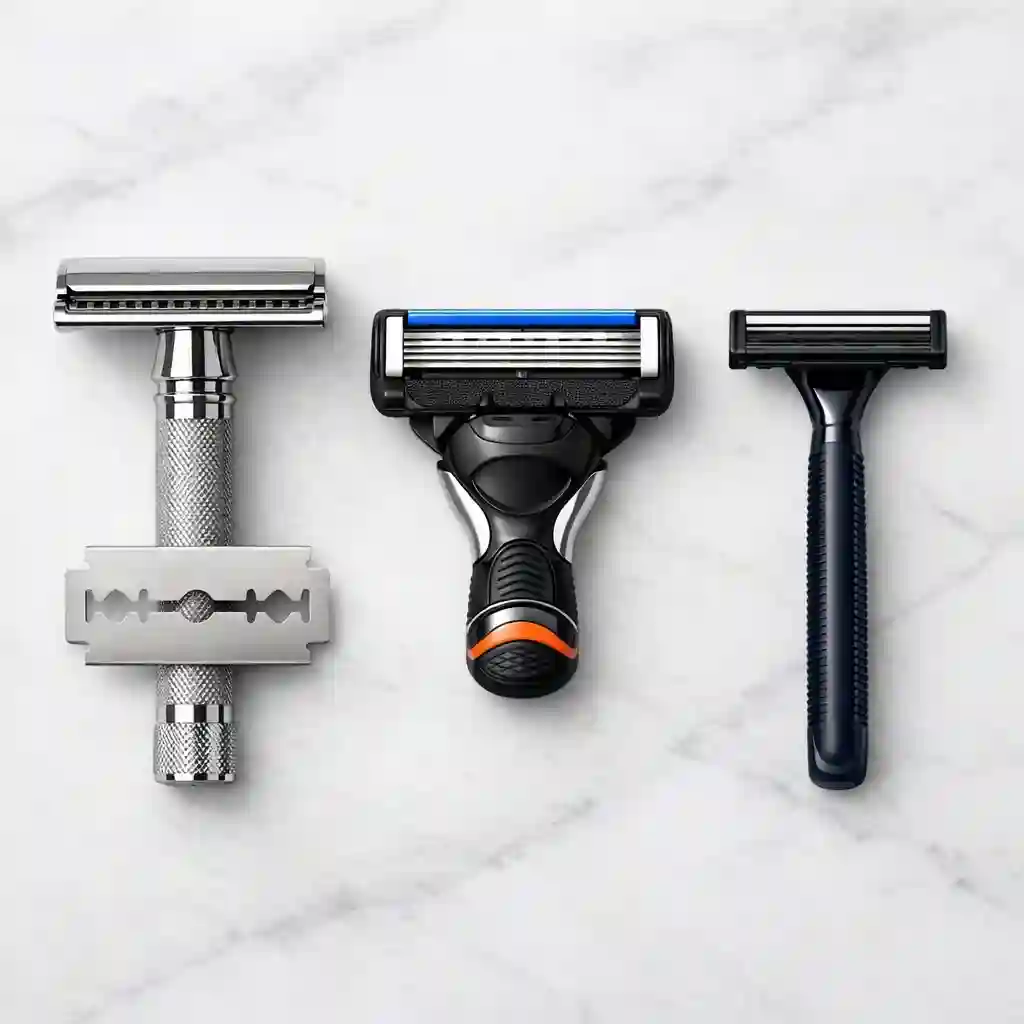
A clean shave is something many men strive for but find difficult to achieve. The process often seems straightforward, but mastering the small details can make a significant difference in the outcome. From preparing your skin correctly to using the right tools and techniques, every step contributes to the final result.
For those who want to delve deeper into the art of a perfect shave, there are numerous resources available that break down the process into easy-to-follow steps. These guides often cover topics such as mapping your beard growth, selecting the ideal shaving cream, and mastering the post-shave routine. By taking the time to learn and apply these techniques, you can transform your daily shave from a dreaded chore into a satisfying ritual that leaves your skin feeling smooth and refreshed every time.
Here breaks down 5 common mistakes for a clean shave, offers specific fixes for pre-shave prep, techniques and aftercare, teaching an irritation-free smooth shave.
1.3 Electric shaver tips: dry vs. wet, and how to clean your electric shaver
Electric shavers offer a convenient and effective alternative to wet shaving, but they come with their own set of rules. One of the biggest decisions you'll face is whether to shave wet or dry. A dry shave is faster and can be done anywhere, but it can sometimes leave your skin feeling dry and irritated.
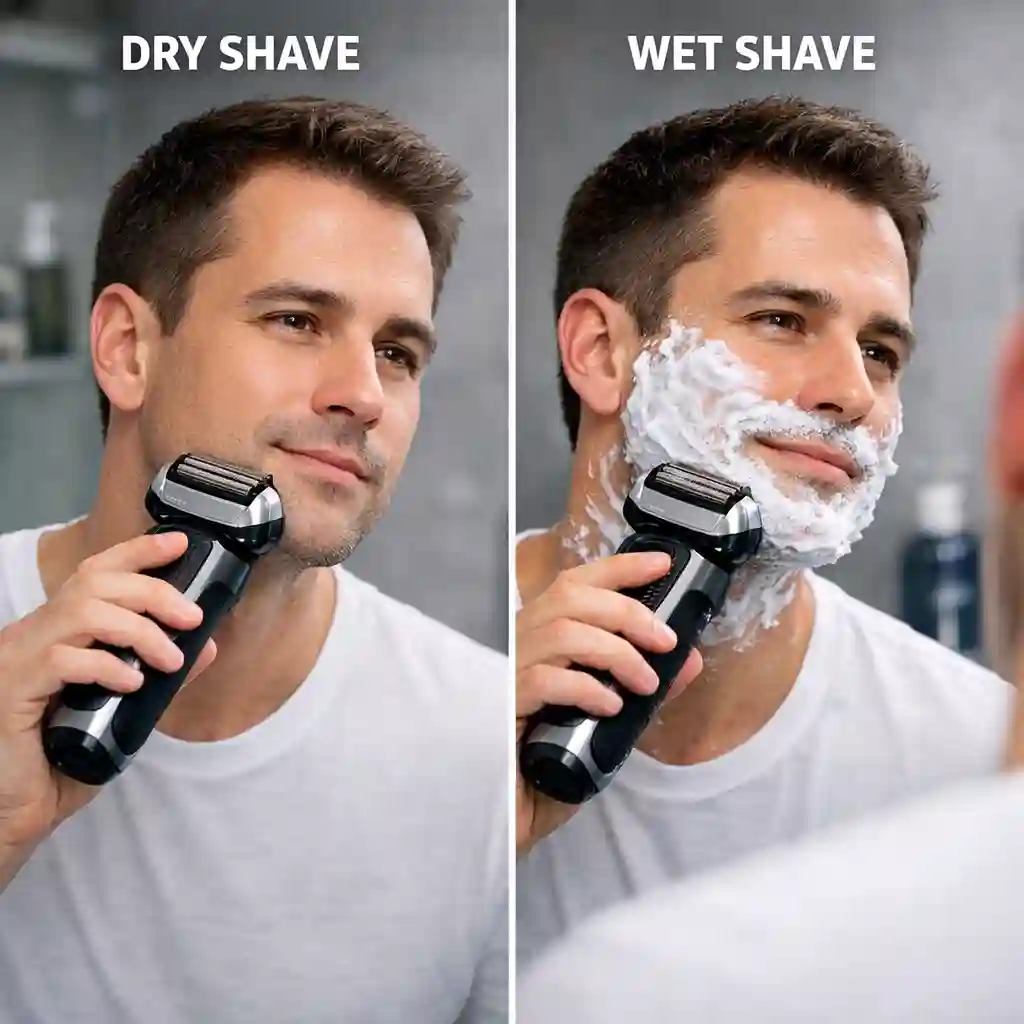
A wet shave with an electric shaver, using a shaving gel or foam, provides more lubrication and can result in a closer, more comfortable shave, especially for those with sensitive skin. Experiment with both methods to see which one works best for you.
Properly cleaning your electric shaver is also crucial for both performance and hygiene. After each shave, rinse the shaver head under running water and use a small brush to remove any hair clippings. Many modern electric shavers come with a cleaning station that automatically cleans, lubricates, and dries the shaver, making maintenance a breeze.
1.4 Shaving the upper lip: the area most men get wrong
The upper lip is one of the most challenging areas to shave correctly. The skin is sensitive, the hair grows in multiple directions, and the area is contoured, making it easy to miss spots or cause irritation. To shave your upper lip like a pro, start by stretching the skin to create a flat surface.
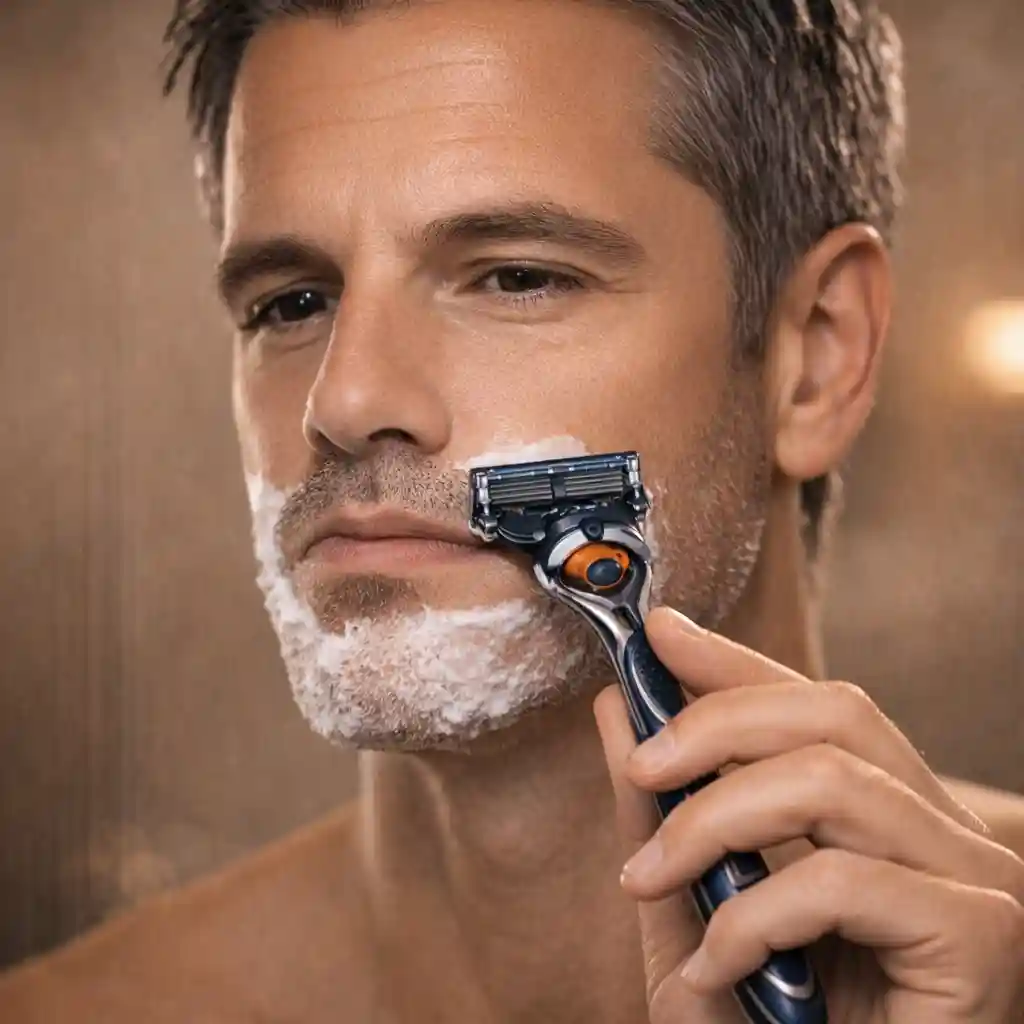
You can do this by pulling your upper lip down over your teeth. Shave downwards, following the direction of hair growth, using short, gentle strokes. Don't be afraid to go over the area more than once, but be sure to re-lather if you do.
For the area directly under your nose, try turning the razor upside down or using a precision trimmer if your razor has one. Taking your time and using a light touch are the keys to a clean, irritation-free shave on your upper lip.
2. Razor Bumps, Razor Burn, and 5 O'Clock Shadow
Even with the best technique, common shaving problems like razor bumps, razor burn, and the dreaded 5 o'clock shadow can still occur. These issues are not just cosmetic; they can be painful and damaging to your skin's health. Understanding the root causes of these problems is the first step toward finding effective solutions.
Razor bumps and razor burn are often the result of inflammation and irritation, while the 5 o'clock shadow is a simple matter of hair growth. By addressing each of these issues with a targeted approach, you can significantly improve the look and feel of your skin. This section will explore the causes of these common shaving-related problems and provide practical advice on how to treat and prevent them for good.
2.1 What causes razor bumps and how to get rid of them fast
Razor bumps, medically known as pseudofolliculitis barbae, are small, irritated bumps on the skin that occur after shaving. They are caused when shaved hairs curl back and grow into the skin, leading to inflammation and the formation of pimple-like bumps. This condition is particularly common in men with curly or coarse hair, and research shows that it affects up to 60% of men who shave regularly.
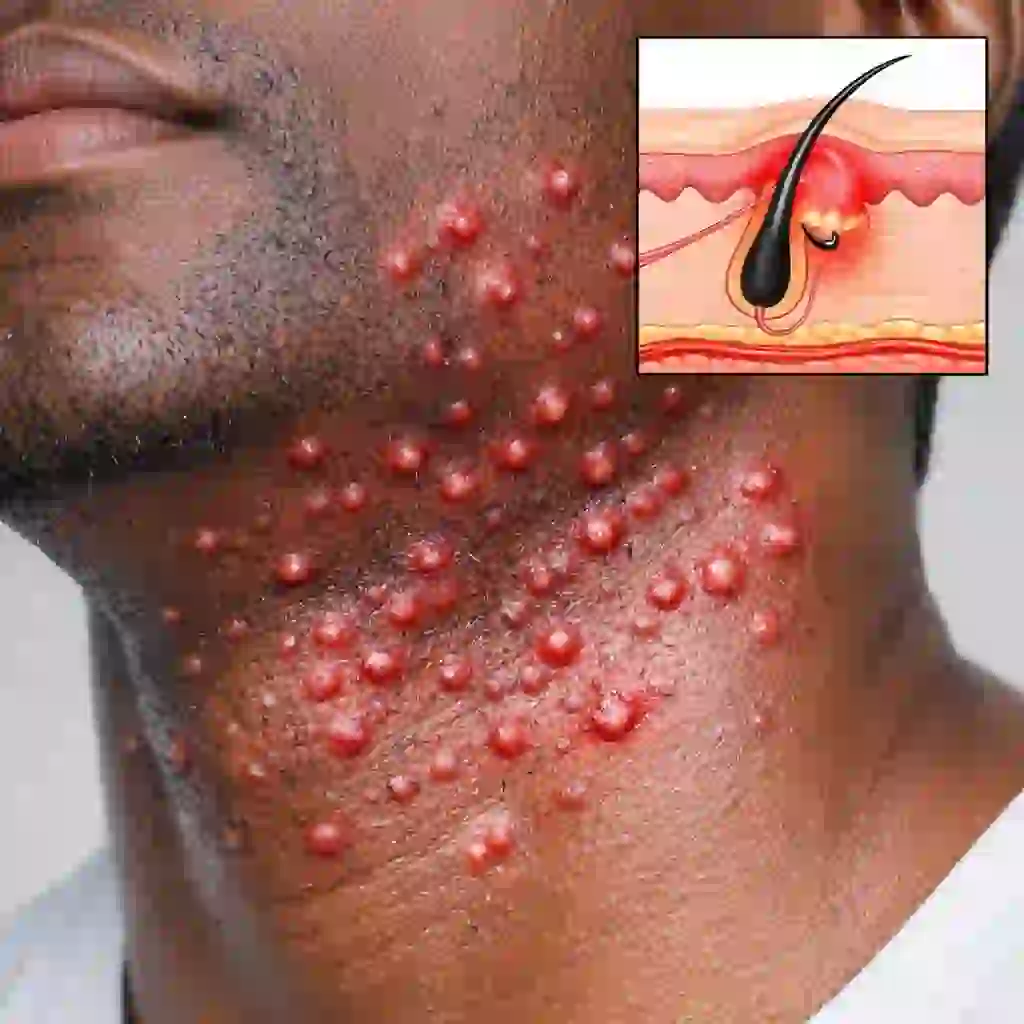
To get rid of razor bumps fast, it's important to reduce inflammation and gently exfoliate the skin. Applying a warm compress to the affected area can help soothe the skin and open up the pores. Using a product containing salicylic acid or glycolic acid can help exfoliate the skin and release the trapped hairs.
In severe cases, a dermatologist may prescribe a topical antibiotic or retinoid cream to reduce inflammation and prevent infection.
2.2 Razor burn on the neck: treatment and prevention
Razor burn on the neck is a common and uncomfortable problem characterized by redness, stinging, and a burning sensation. The skin on the neck is often more sensitive than the skin on the face, and the hair can grow in multiple directions, making it a prime area for irritation.

To treat razor burn, apply a cool compress to the area to reduce inflammation and soothe the skin. Follow up with a calming aftershave balm or moisturizer that contains ingredients like aloe vera or chamomile. To prevent razor burn on your neck, make sure you are using a sharp blade and proper shaving technique.
Map the direction of your hair growth on your neck and shave with the grain. Avoid pressing too hard and use a light, gentle touch. Using a high-quality shaving cream or gel will also provide a protective barrier between the blade and your skin.
2.3 How to get rid of 5 o'clock shadow — and keep it gone
The 5 o'clock shadow is the stubble that appears in the late afternoon, long after your morning shave. It's caused by the natural growth of your facial hair, which grows at an average rate of 0.3 to 0.5 millimeters per day. While you can't stop your hair from growing, there are ways to get a closer shave and slow down the appearance of stubble.
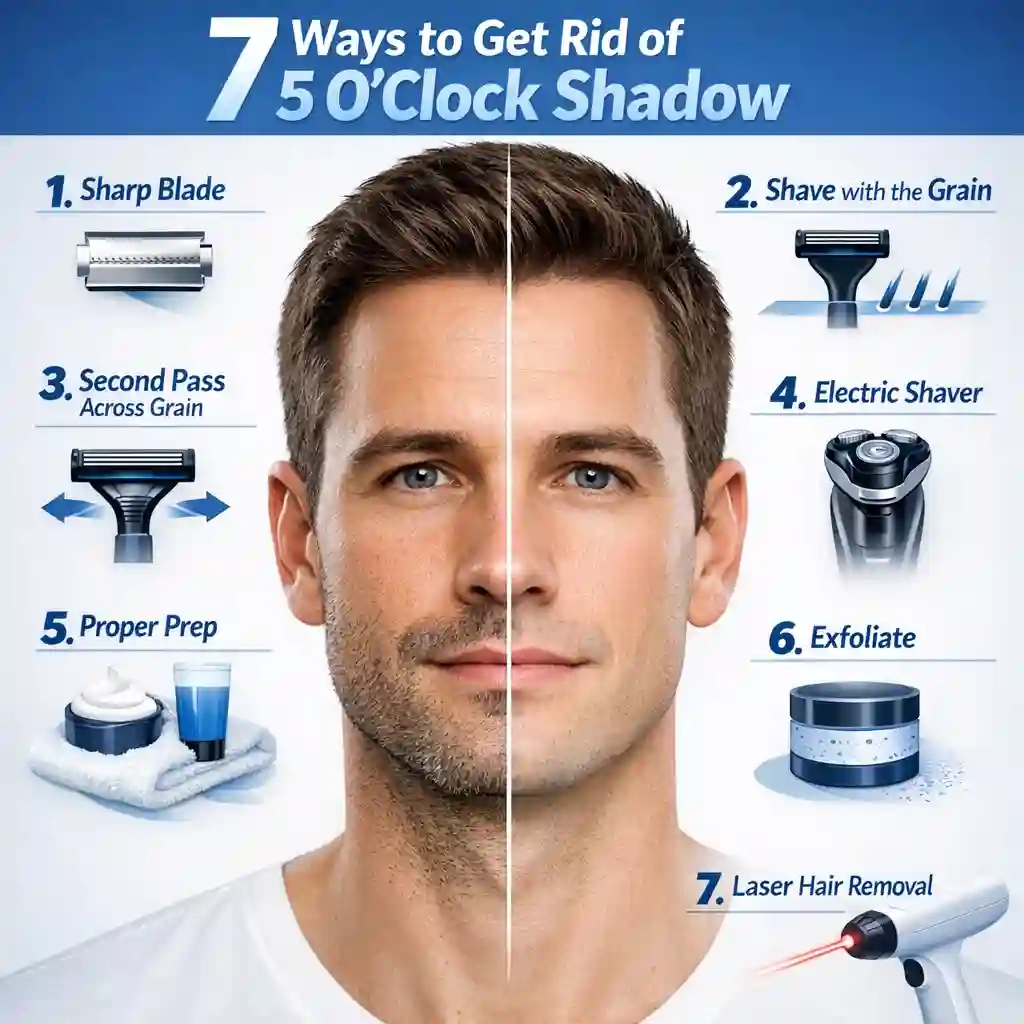
The key is to get as close a shave as possible without causing irritation. This means following all the steps of a proper wet shave, including thorough preparation and using a sharp blade. Shaving against the grain on a second pass can provide a closer shave, but it should be done with caution.
Using a high-quality electric shaver can also help you achieve a closer shave and keep the 5 o'clock shadow at bay for longer.
Many men find the rapid return of stubble to be a persistent grooming challenge. The 5 o'clock shadow can undermine a polished appearance, making you look tired or unkempt by the end of the day. While hair growth is a natural process, there are effective strategies to manage it and maintain a clean-shaven look for longer.
Achieving a closer shave in the morning is the most direct way to delay the appearance of stubble. This involves not only the right technique but also the right products. For those who are serious about combating the 5 o'clock shadow, exploring advanced tips and tricks can be highly beneficial. These might include specific shaving patterns, product recommendations, and even long-term solutions that go beyond the daily shave.
The paper reveals 7 proven methods to get rid of 5 o'clock shadow, covering shaving skills, tool selection, long-term hair slowdown and permanent removal.
3. Choosing the Right Shaving Tools
With a vast array of shaving tools on the market, finding the right one for your needs can be overwhelming. The choice between a manual razor and an electric shaver is just the beginning. Within each category, there are countless options, each with its own set of features and benefits.
The right tool for you will depend on your skin type, hair type, and personal preferences. Investing in a high-quality shaving tool is an investment in your skin's health and your overall appearance. A good tool will not only provide a closer, more comfortable shave but also last for years to come.
This section will guide you through the process of choosing the right shaving tools, from manual razors to electric shavers and everything in between.
3.1 Manual vs. electric: which is better for your skin?
The debate between manual and electric shavers is a long-standing one, and the truth is, there is no one-size-fits-all answer. Manual razors, such as cartridge razors and safety razors, provide an incredibly close shave by cutting the hair at the skin's surface. This can be great for achieving a smooth finish, but it can also lead to irritation and ingrown hairs if not done correctly.
Electric shavers, on the other hand, work by trimming the hair just above the skin's surface, which is gentler on the skin and reduces the risk of nicks and cuts. Foil shavers are generally better for those with sensitive skin, while rotary shavers are better for those with thicker, coarser hair.
Ultimately, the best choice for you will depend on your skin's sensitivity and your desired level of closeness.
3.2 Best foil shaver for sensitive skin: what to look for
For men with sensitive skin, a foil shaver is often the best choice. Foil shavers have a thin, perforated metal foil that covers the blades, protecting the skin from direct contact. This design minimizes irritation and provides a comfortable shave, even on sensitive areas like the neck.
When choosing a foil shaver for sensitive skin, look for models with multiple flexible foils that can adapt to the contours of your face. A powerful motor is also important, as it will cut the hair more efficiently and reduce the need for multiple passes.
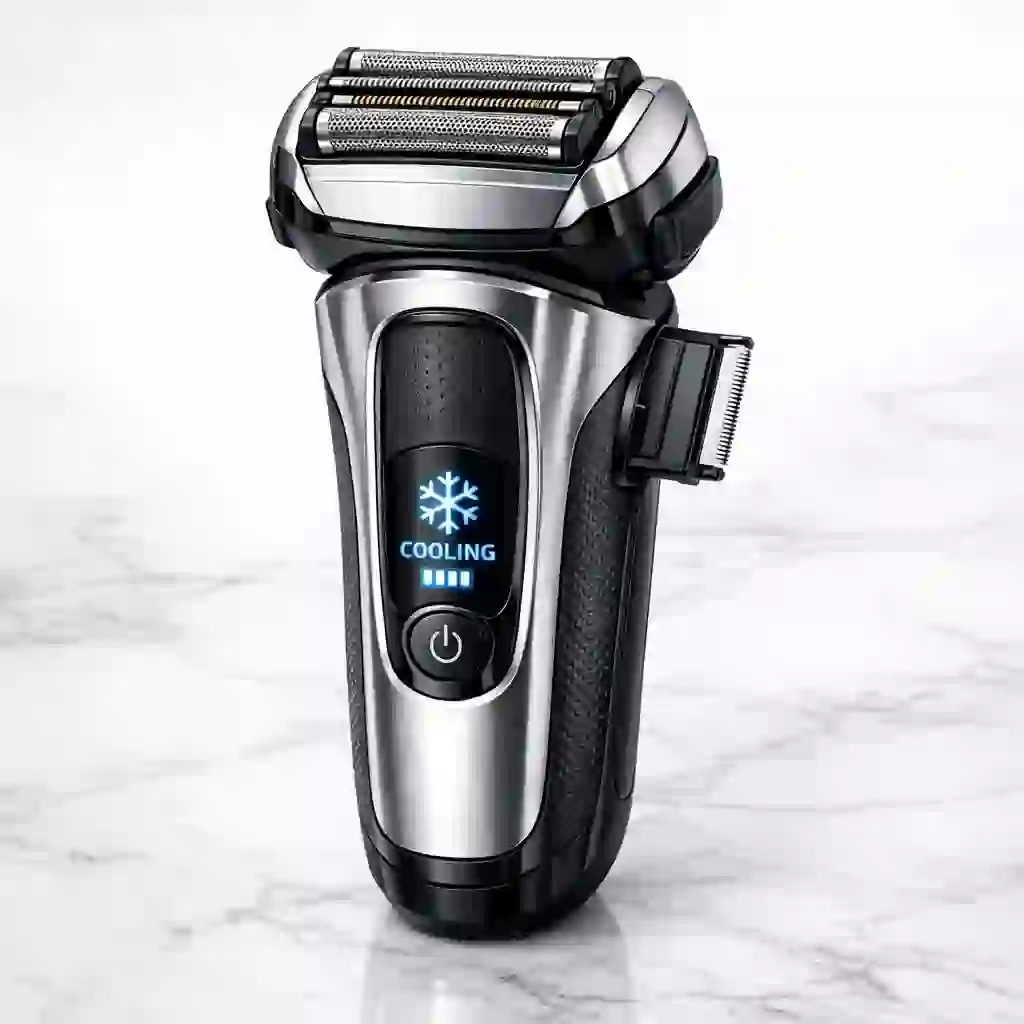
Some advanced foil shavers also have cooling technology that helps to reduce skin temperature during the shave, further minimizing irritation. Look for shavers with a built-in precision trimmer for detailing and shaping your sideburns and mustache.
3.3 Best head and face shaver: options for men who shave everything
For men who shave both their head and face, finding a shaver that can do both effectively is essential. The scalp has different contours and skin sensitivity than the face, so a versatile shaver is a must. Many rotary shavers are well-suited for head shaving, as their flexible heads can easily navigate the curves of the scalp.
Look for a shaver with at least three or four rotary heads for maximum coverage and efficiency. Some foil shavers are also designed for both head and face use, offering a close and comfortable shave on all areas. A waterproof shaver is a great option, as it allows you to shave in the shower, which can help to soften the hair and reduce irritation.
Consider a shaver with a long battery life, especially if you are shaving a larger area like your head.
3.4 Beard trimming tools: trimmers, shapers, and kits
For men who prefer to maintain a beard, a good set of trimming tools is essential. A high-quality beard trimmer is the most important tool in your arsenal. Look for a trimmer with multiple length settings, so you can achieve your desired beard length with precision.
A cordless trimmer offers more flexibility and is easier to maneuver. Beard shapers are stencils that help you achieve a clean, symmetrical neckline and cheek line. They are a great tool for beginners who are still learning how to shape their beard.
A complete beard grooming kit will often include a trimmer, scissors, a comb, a brush, and beard oil or balm. These kits provide everything you need to keep your beard looking its best.
4. Aftercare: Protecting Your Skin After Every Shave
Shaving is an abrasive process that strips the skin of its natural oils and creates microscopic cuts and abrasions. Aftercare is the crucial final step in your shaving routine that helps to soothe, hydrate, and protect your skin. Neglecting aftercare can lead to dryness, irritation, and a compromised skin barrier, making your skin more susceptible to future problems.
A good aftercare routine will not only leave your skin feeling comfortable and refreshed but also improve its overall health and resilience over time. This section will explain why aftercare is non-negotiable and guide you through the process of choosing the best products for your skin.
4.1 Why aftercare is non-negotiable
After every shave, your skin is in a vulnerable state. The razor has exfoliated the top layer of dead skin cells, but it has also removed the protective lipid barrier that keeps moisture in and irritants out. This is why your skin can feel tight, dry, and sensitive after shaving.
An effective aftercare routine helps to restore this barrier, replenish lost moisture, and calm any inflammation. Using an aftershave product helps to disinfect any small nicks or cuts, preventing infection. It also helps to close the pores, which can prevent bacteria and dirt from entering.
By making aftercare a non-negotiable part of your daily routine, you are taking a proactive step toward healthier, more comfortable skin.
4.2 Best aftershave balm for sensitive skin: ingredients to look for
For men with sensitive skin, an aftershave balm is a much better choice than a traditional alcohol-based splash. Balms are thicker, creamier, and more hydrating, providing a soothing layer of moisture without the sting of alcohol. When choosing an aftershave balm for sensitive skin, look for products with calming and anti-inflammatory ingredients.
Aloe vera is a popular choice for its soothing and healing properties. Witch hazel is a natural astringent that can help to reduce inflammation and close the pores without drying out the skin. Niacinamide, a form of vitamin B3, is another excellent ingredient that helps to strengthen the skin's barrier, reduce redness, and improve skin texture.
Other beneficial ingredients to look for include chamomile, calendula, and shea butter.
Finding the right aftershave balm can be a transformative experience for men with sensitive skin. The discomfort and redness that often follow a shave can be significantly reduced with the right product. A quality balm does more than just soothe; it actively works to repair and protect the skin barrier, which is often compromised during shaving.
When searching for the best aftershave balm, it's important to pay close attention to the ingredient list. Natural, calming ingredients are key to providing relief without causing further irritation. For those who have struggled to find a product that works, dedicated reviews and comparisons can be an invaluable resource, offering insights into the most effective options available on the market.
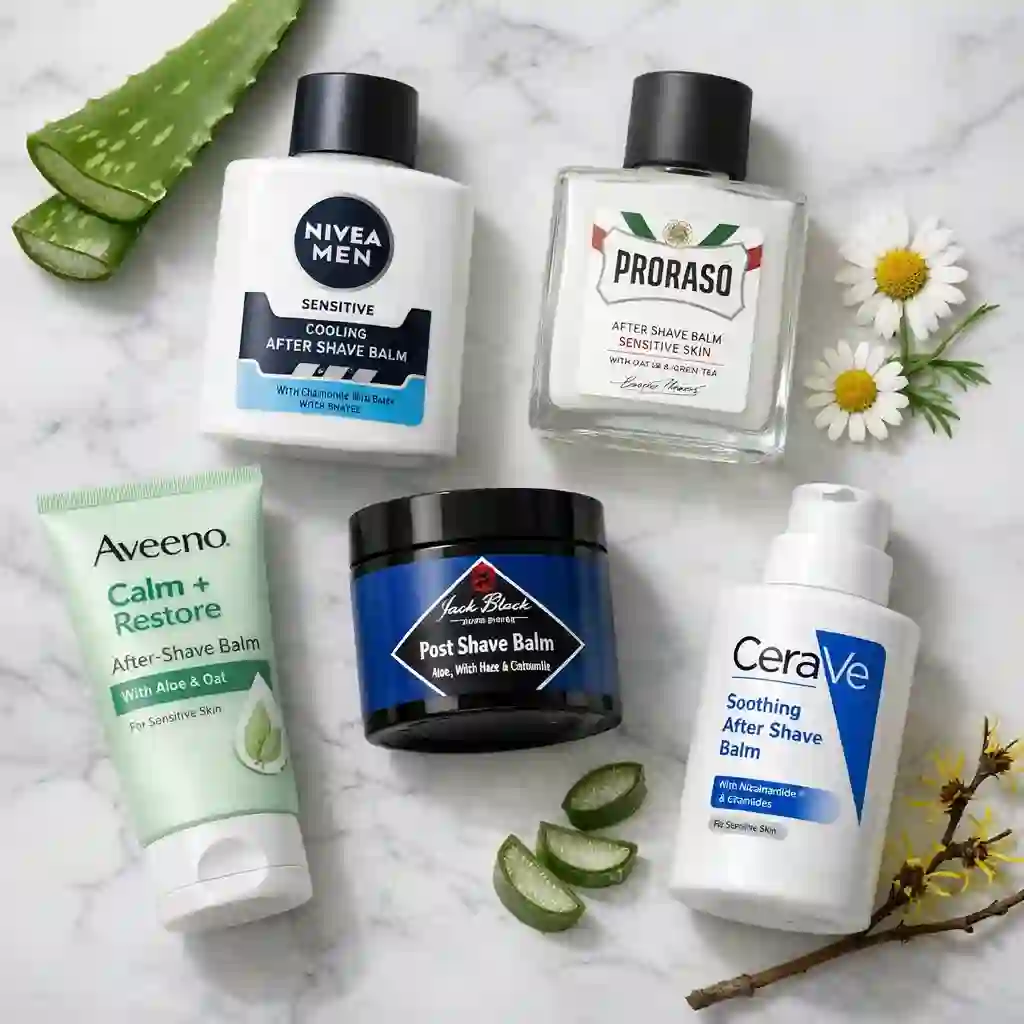
Here analyzes the causes of post-shave discomfort for sensitive skin, teaches golden rules for choosing aftershave balm and reviews 5 top products with usage tips.
4.3 Nivea Sensitive Post Shave Balm and other top picks reviewed
Nivea Sensitive Post Shave Balm is a drugstore classic for a reason. It's affordable, widely available, and formulated with chamomile and vitamin E to soothe and protect sensitive skin. It's a great starting point for anyone new to aftershave balms.
For those looking for a more premium option, The Art of Shaving's Unscented After-Shave Balm is a fantastic choice. It contains shea butter and glycerin to provide intense hydration, and it's free of alcohol and synthetic dyes. Another top pick is Jack Black's Post Shave Cooling Gel, which uses a combination of aloe, chamomile, and sage to cool and calm the skin.
It's a lightweight gel that absorbs quickly and doesn't leave a greasy residue.
4.4 Dealing with ingrown hairs and beard dandruff
Ingrown hairs and beard dandruff are two common grooming concerns that can be addressed with the right aftercare routine. Ingrown hairs occur when a hair curls back and grows into the skin, and they can be prevented by regular exfoliation. Using a chemical exfoliant with salicylic acid or glycolic acid two to three times a week can help to keep your pores clear and prevent hairs from becoming trapped.
Beard dandruff, or seborrheic dermatitis, is caused by a buildup of dead skin cells and oil. It can be treated with a medicated beard wash containing ingredients like ketoconazole or selenium sulfide. Regularly washing and moisturizing your beard is also essential for keeping dandruff at bay.
5. Beard Grooming Products Worth Knowing
Beyond the basics of shaving and aftercare, there is a world of specialized grooming products that can help you fine-tune your look. These products are designed to address specific concerns and enhance the appearance of your facial hair. While they may not be essential for every man, they can be valuable additions to your grooming arsenal.
From products that make your beard appear fuller to tools that help you achieve a cleaner look, these niche products are worth knowing about. This section will introduce you to a few of these specialized grooming products and explain how they can elevate your grooming game.
5.1 Beard enhancer: what it is and whether it works
A beard enhancer is a cosmetic product designed to make your beard look fuller and thicker. It typically comes in the form of a powder, spray, or cream that contains small fibers that cling to your existing beard hairs, creating the illusion of density. Beard enhancers can be a great solution for men with patchy or thin beards who want to achieve a more uniform look.
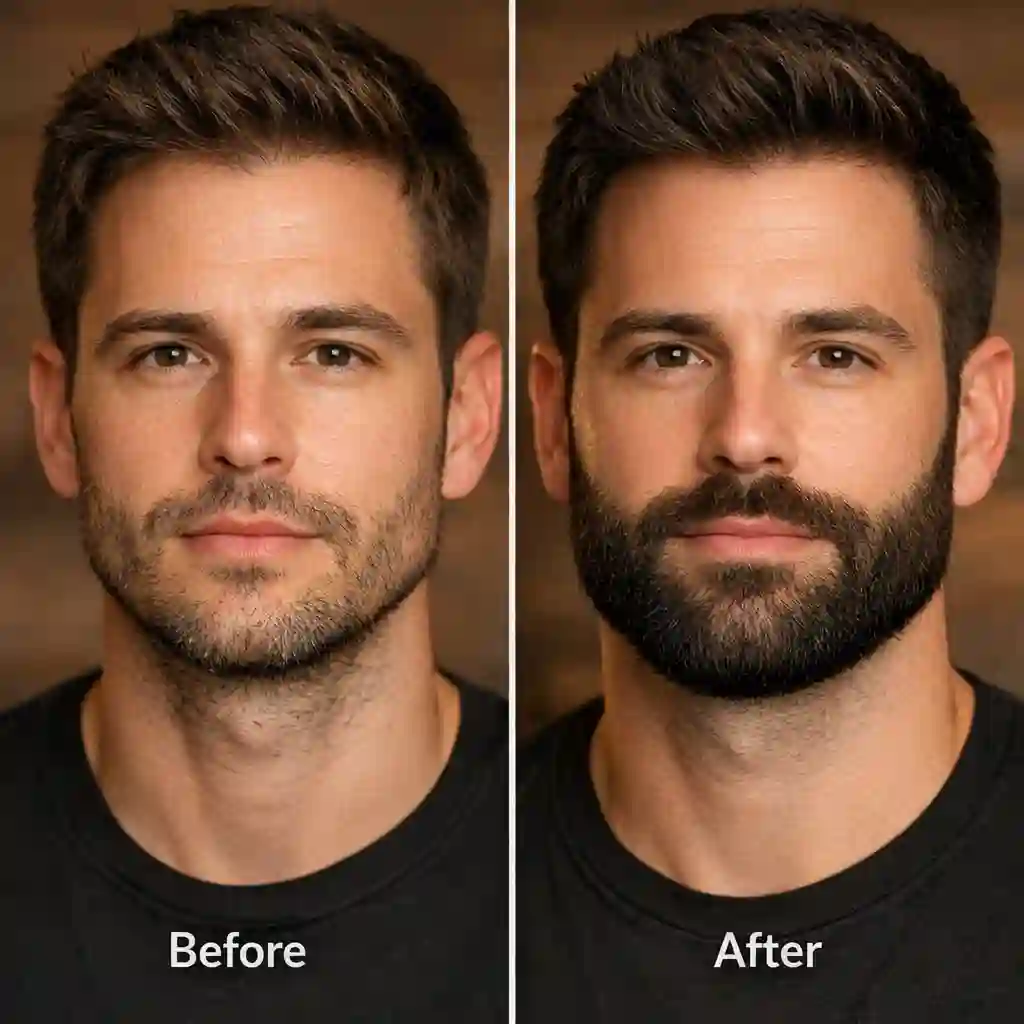
They are easy to apply and can be washed out at the end of the day. While they don't actually promote hair growth, they can be a very effective temporary solution for a fuller-looking beard. Look for a product that matches your hair color for the most natural result.
5.2 Hair identifier spray: a niche tool explained
Hair identifier spray is a unique grooming product that helps you see and remove fine, light-colored hairs that are often missed during shaving. The spray coats the hairs, making them more visible against your skin. This allows you to go back and remove any stray hairs with a razor or trimmer, ensuring a perfectly clean finish.

This tool is particularly useful for men who are meticulous about their appearance and want to achieve the cleanest shave possible. It's also helpful for shaping your beard and ensuring clean, crisp lines. While it's not a necessary tool for everyone, it can be a game-changer for perfectionists.
5.3 Beard and nose trimmer: keeping everything tidy
A dedicated beard and nose trimmer is a must-have for any man who takes his grooming seriously. While many beard trimmers come with a nose trimmer attachment, a separate tool often provides better performance and hygiene. A good nose trimmer will have a rotary blade system that cuts the hair cleanly without pulling or tugging.
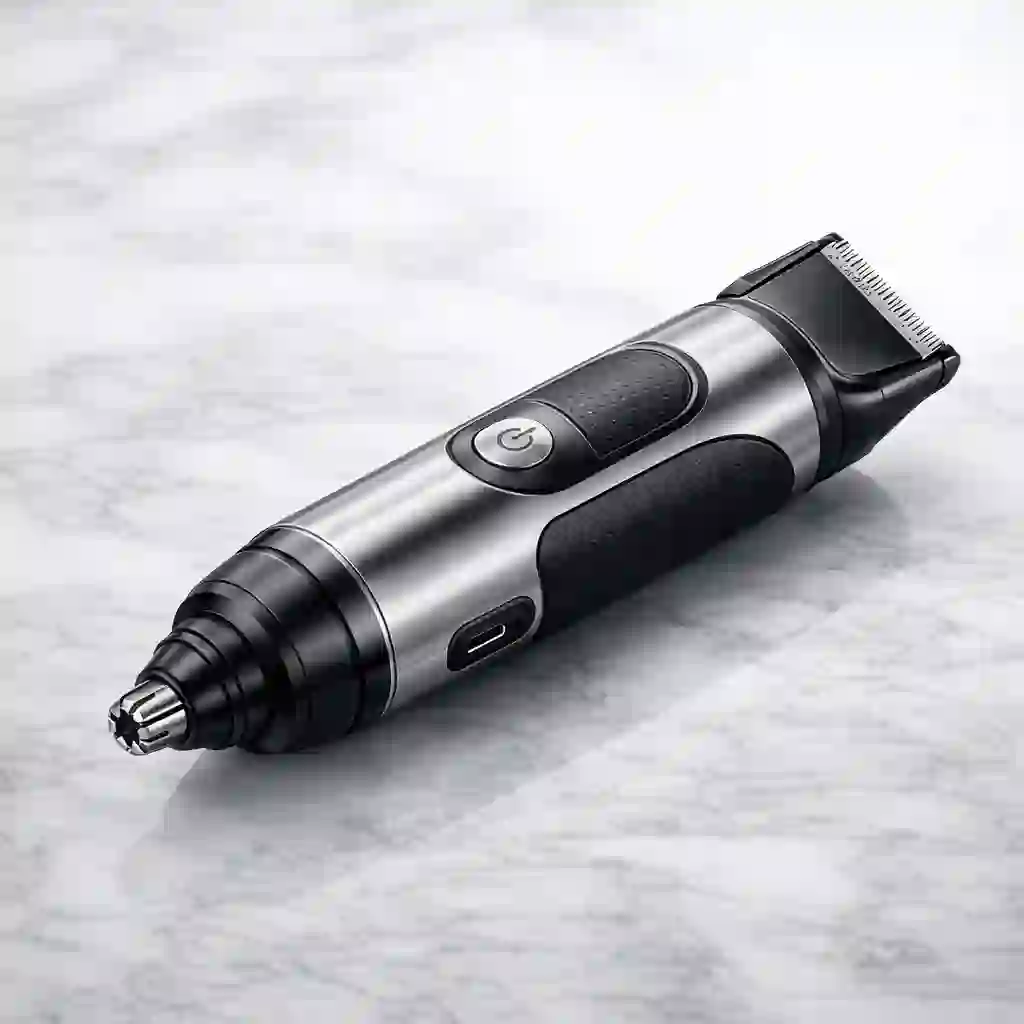
It should also be easy to clean. Keeping your nose and ear hair trimmed is a small detail that makes a big difference in your overall appearance. It's a simple step that shows you pay attention to the details and take pride in your grooming.
6. In the end
Mastering the art of shaving and aftercare is a journey, not a destination. It's about understanding your skin, choosing the right tools, and developing a consistent routine that works for you. From the importance of proper prep work to the nuances of aftercare, we've covered the essential principles that will help you achieve a closer, more comfortable shave every time.
By implementing these strategies, you can say goodbye to razor bumps, irritation, and the dreaded 5 o'clock shadow. Remember that healthy, great-looking skin is the result of daily dedication and the right knowledge. We encourage you to continue exploring and learning about the best grooming practices.
For more in-depth guides, product reviews, and expert tips, explore the wealth of information available at beardremover.com. Your journey to a better shave starts now.