
Facial Hair Removal: The Complete 2026 Guide to 16 Methods — From Razor to AI
Published on April 15, 2026
Struggling with unwanted facial hair is more common than most people admit. Finding the right facial hair removal solution can feel overwhelming. Over 40% of women report visible facial hair that affects their confidence, and men dealing with razor bumps or coarse beard hair face their own set of challenges. Before diving into every method, here are the 3 top-recommended solutions worth knowing upfront.
For quick, pain-free daily maintenance, Dermaflash Luxe+ stands out as the best at-home dermaplaning device — it removes peach fuzz and dead skin in one pass. For men with coarse, thick beard hair, Magic Shave Powder (Sensitive Formula) is a widely trusted depilatory that avoids the razor bumps caused by shaving. And when you need a clean, beard-free photo instantly — without touching a single hair — BeardRemover.com uses AI to remove facial hair from your photo in seconds, with zero skin risk.
This guide covers all 16 facial hair removal methods in plain, practical terms. Every facial hair removal option is evaluated on cost, pain, skin safety, and lasting results. You'll get real comparisons, cost data, and clear advice on which method fits your situation. Whether you want smooth skin every day or just need a professional-looking headshot fast, you'll find your answer here.
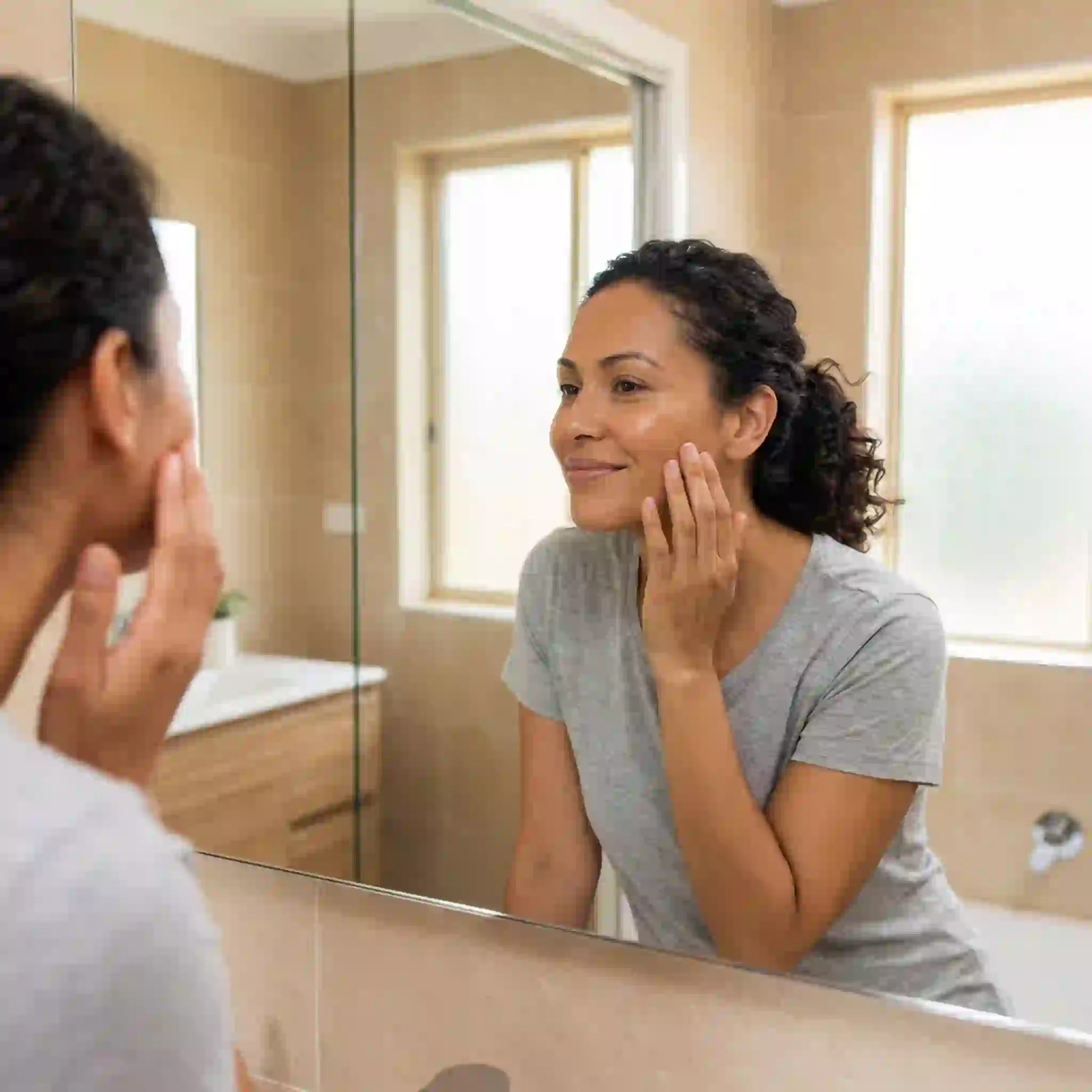
1. Know Your Hair First: Vellus vs. Terminal Facial Hair
1.1 What Type of Facial Hair Do You Actually Have?
Not all facial hair is the same, and picking the wrong facial hair removal method wastes time and money. There are two main types: vellus hair and terminal hair. Vellus hair is the fine, soft, barely-there "peach fuzz" that covers most people's faces. Terminal hair is thicker, darker, and coarser — the kind you see in a full beard or dense upper lip hair.
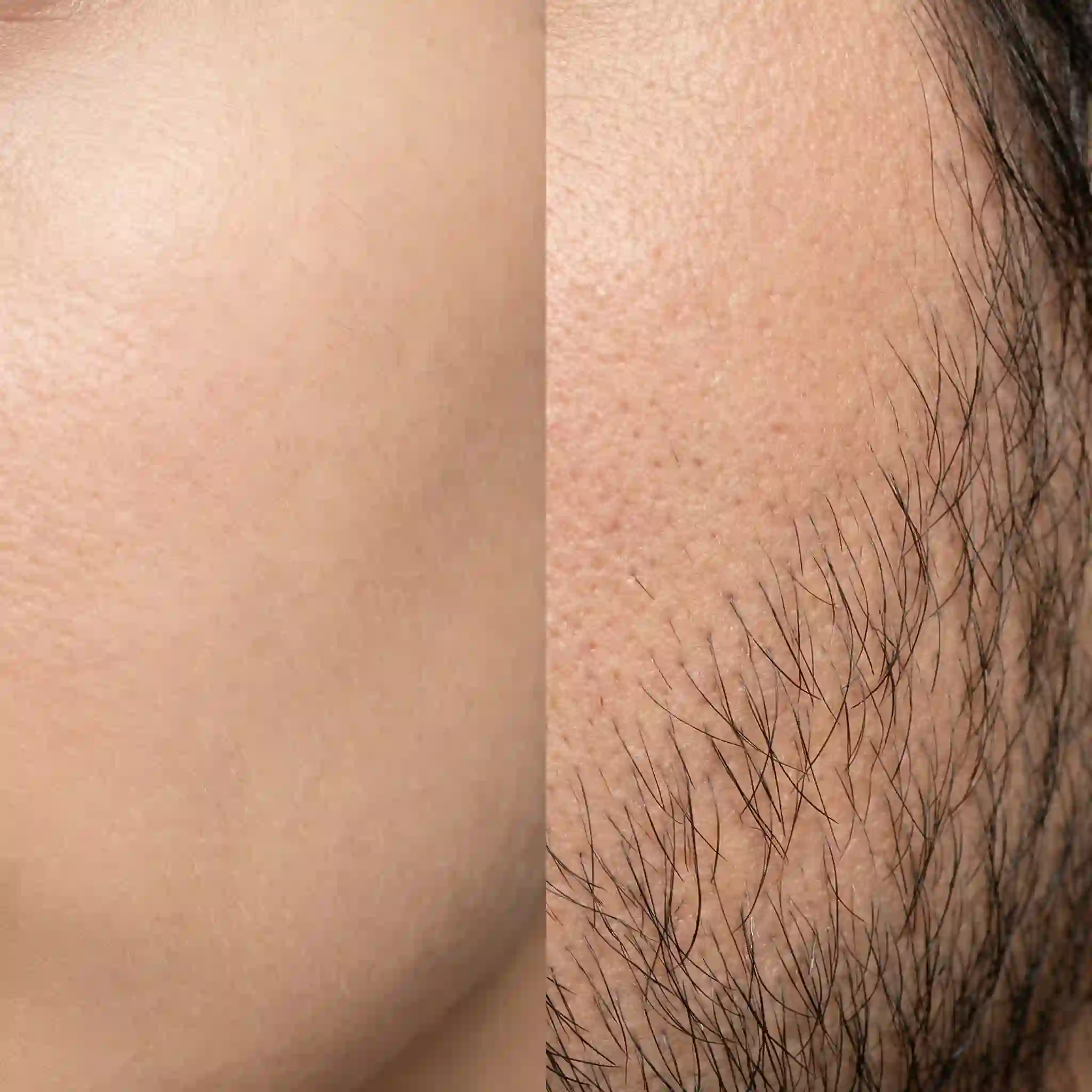
The method that works on one type often fails on the other. Dermaplaning is perfect for vellus hair but won't touch a coarse beard. Laser facial hair removal targets dark terminal hair but is nearly useless on light, fine vellus hair. Knowing which type you're dealing with is the first step toward effective facial hair removal.
1.2 Why Hair Growth Cycles Matter
Hair grows in three stages: anagen (active growth), catagen (transition), and telogen (resting). Laser and IPL devices only destroy hair in the anagen phase. That's why multiple sessions are always needed — at any given time, only about 20–30% of facial hairs are in the active growth phase. Waxing and threading work at any stage, since they physically pull the hair out. Understanding this cycle helps you set realistic expectations for any facial hair removal method you choose. This knowledge is the foundation of every successful facial hair removal routine.
2. Shaving: The Fastest Daily Facial Hair Removal Option
2.1 The Truth About Shaving and Hair Regrowth
Shaving does not make hair grow back thicker or darker. This is one of the most persistent myths about facial hair removal, and dermatologists have confirmed it is simply false. When you shave, the razor cuts the hair at a flat angle, which makes the blunt tip feel stubbly when it grows back. The actual thickness of the hair shaft does not change.
For women, shaving the face (also called dermaplaning with a razor) has become increasingly popular. It removes peach fuzz quickly and leaves skin feeling smooth. For men, shaving remains the most common daily face hair removal routine. It is the most accessible entry point into facial hair removal for most people.
2.2 Choosing the Right Tool for Sensitive Skin
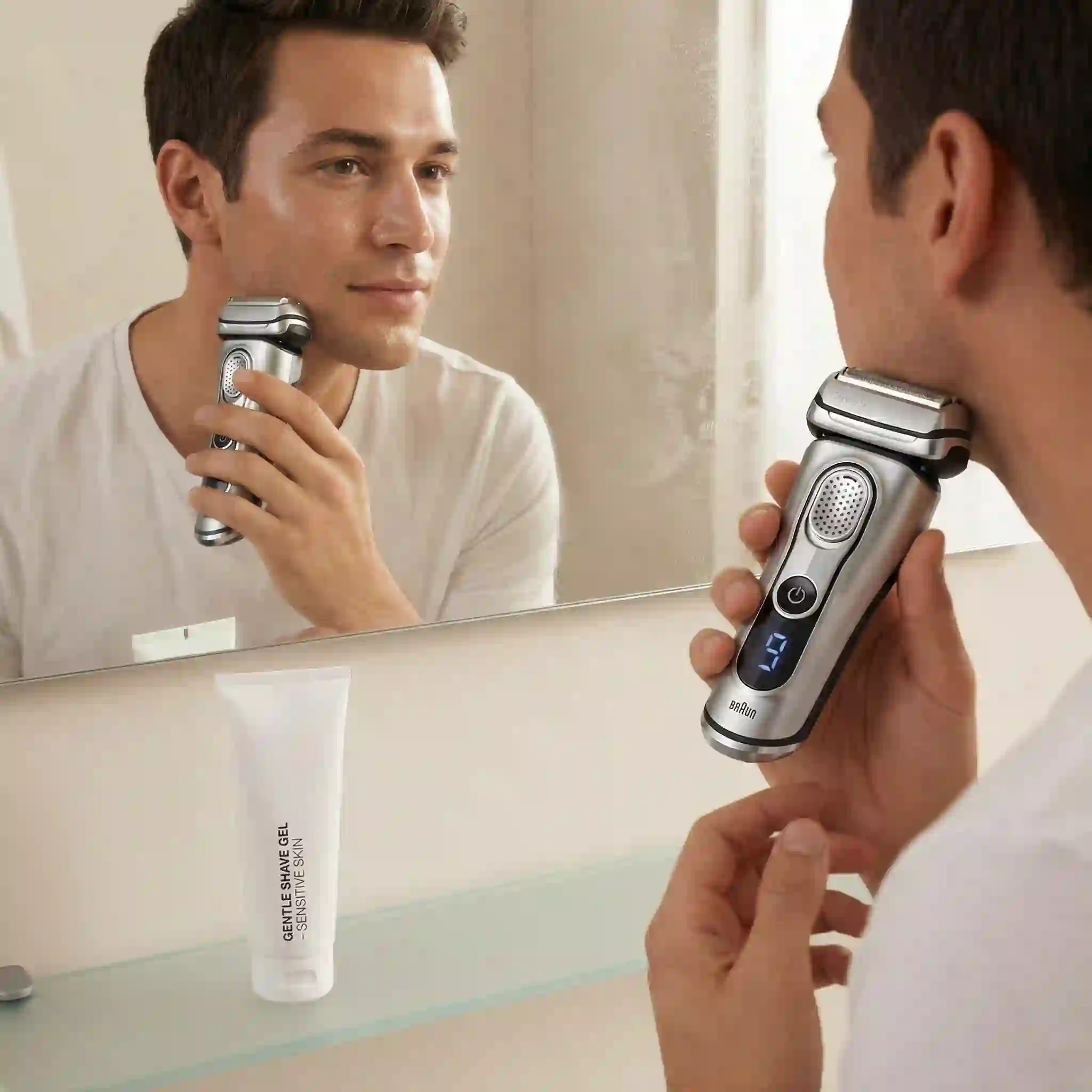
If your skin reacts badly to shaving, the tool matters a lot. The best razor for sensitive skin men is typically a single-blade safety razor — it cuts cleanly in one pass without the repeated dragging that multi-blade cartridges cause. An electric shaver for sensitive skin, such as the Braun Series 9 or Philips Norelco 9000, uses a floating head design that reduces friction significantly.
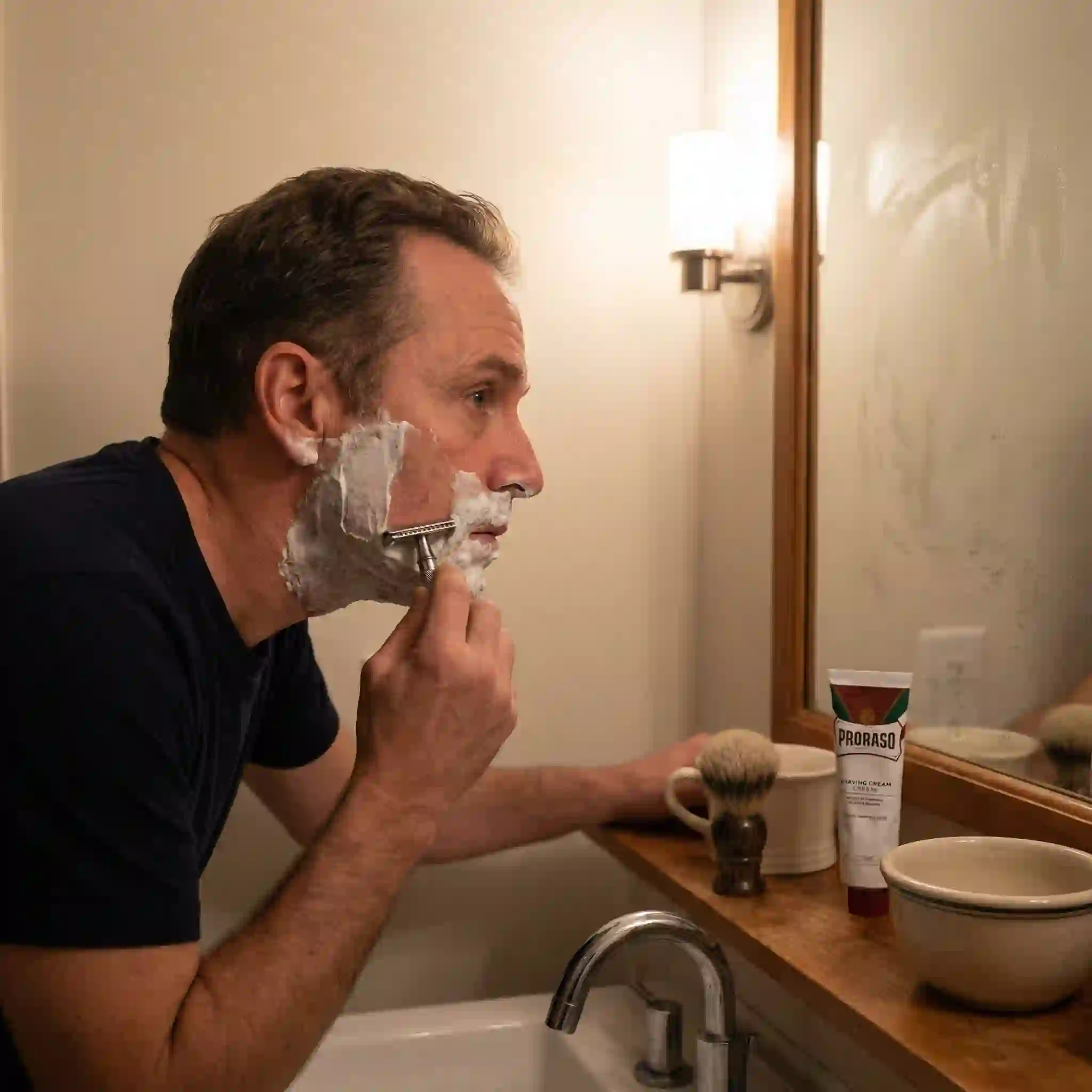
Always use a shaving cream for sensitive skin rather than soap or water alone. Look for formulas with aloe vera, oat extract, or chamomile. These ingredients create a protective layer between the blade and your skin.
2.3 Treating Razor Burn with Aloe Vera
Razor burn — that red, stinging feeling after shaving — is caused by friction and irritation. Aloe vera for razor burn is one of the most effective and affordable remedies available. Apply pure aloe vera gel directly to the irritated area right after shaving. Its natural anti-inflammatory compounds reduce redness within 30–60 minutes. Avoid alcohol-based toners immediately after shaving, as they will make the irritation worse.
A popular Reddit thread on r/AskWomen discusses real experiences with facial hair removal and sensitive skin care tips for facial hair removal :
3. Dermaplaning: Dual-Action Facial Hair Removal
3.1 What Dermaplaning Actually Does
Dermaplaning uses a small, angled blade to scrape off both dead skin cells and vellus hair in one motion. It is one of the most popular facial hair removal methods for women, and it doubles as a skincare treatment because the result is instantly smoother skin that also absorbs skincare products better. Studies suggest skin absorption can improve by up to 40% after dermaplaning, which is why many people notice their moisturizer and serums working better afterward.
The at-home version uses a small, safety-guarded razor tool. The professional version uses a surgical scalpel and goes slightly deeper. For most people, the at-home option is safe and effective enough for regular maintenance.
3.2 How Often to Dermaplane and What to Avoid After
Dermaplaning should be done every 2–4 weeks. Going more often can over-exfoliate and weaken your skin barrier. After each session, skip retinol, AHA, and BHA products for at least 48 hours. Your skin is freshly exfoliated and more sensitive than usual. Always apply SPF 30 or higher the next morning — new skin burns faster.
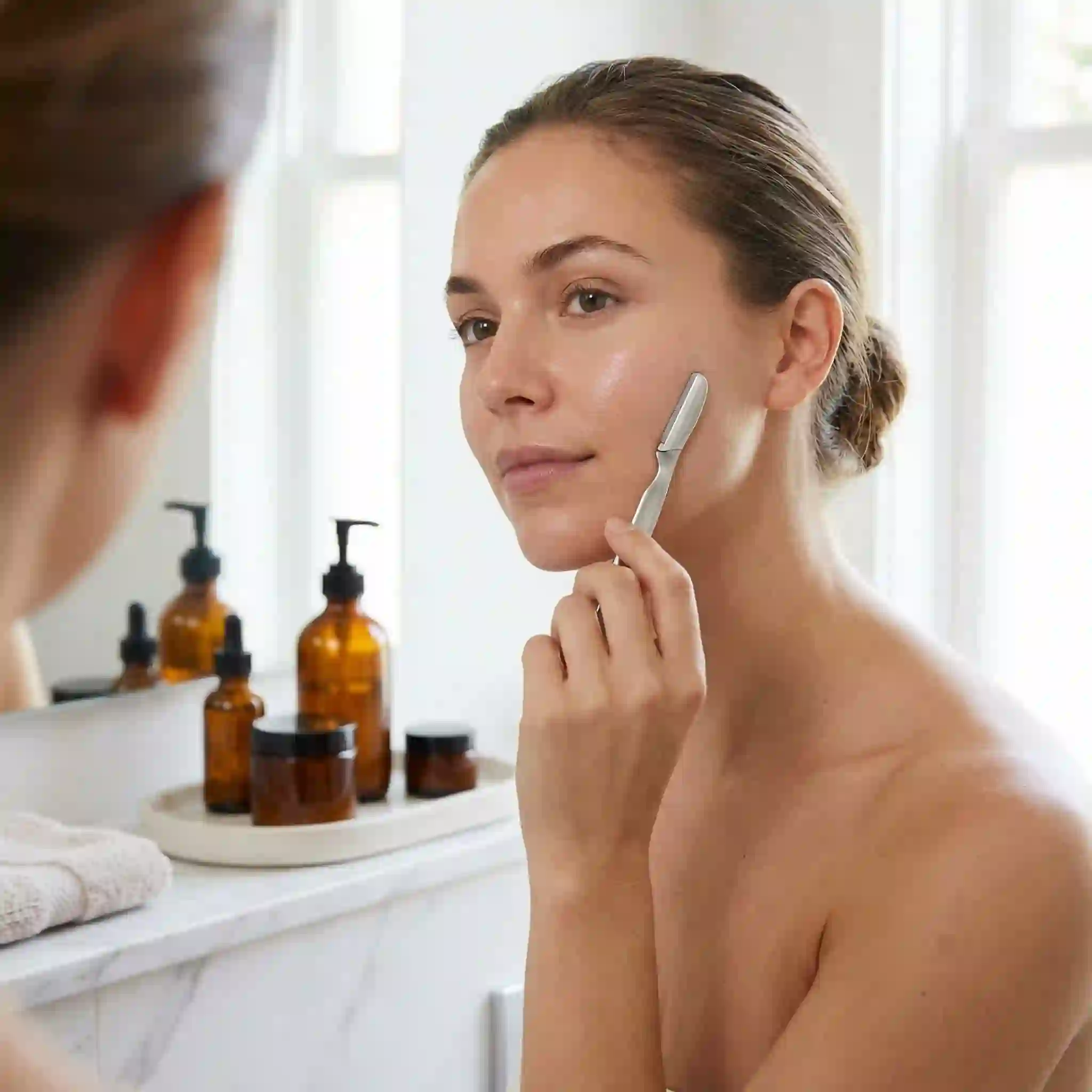
This method is ideal for facial hair remover for sensitive skin users because it involves no chemicals and no heat. However, avoid dermaplaning over active acne, eczema patches, or sunburned skin.
A TikTok video by @meagancarboney demonstrates dermaplaning technique and explains key facial hair removal tips for beginners :
dermaplaning facial hair removal guide
TikTok Video
4. Waxing and Sugaring: Longer-Lasting Facial Hair Removal
4.1 How Waxing Works and What to Expect
Waxing is one of the most widely used facial hair removal techniques worldwide. It pulls hair out from the root, which means results last 2–6 weeks depending on your hair growth speed. It works best on terminal hairs — upper lip, chin, and sideburn areas. For vellus hair, it can be less effective and more irritating than necessary.
Soft wax strips are the easiest option for home use. Hard wax, which you melt and apply yourself, grips the hair more firmly and is gentler on skin — making it the better choice as a best facial hair remover for sensitive skin. Brands like GiGi and Flamingo offer face-specific formulas with lower melting temperatures.
4.2 Upper Lip Hair Removal: Step-by-Step
Upper lip hair removal with wax requires a few specific steps to avoid irritation. First, make sure the hair is at least 1/4 inch long — shorter hair won't stick to the wax. Apply a thin layer of wax in the direction of hair growth. Remove the strip parallel to the skin (not upward) with a fast, firm pull. Press your fingers on the area immediately after to reduce the sting.
Do not wax if you are using prescription retinoids or isotretinoin. These medications thin the skin and waxing can tear it.
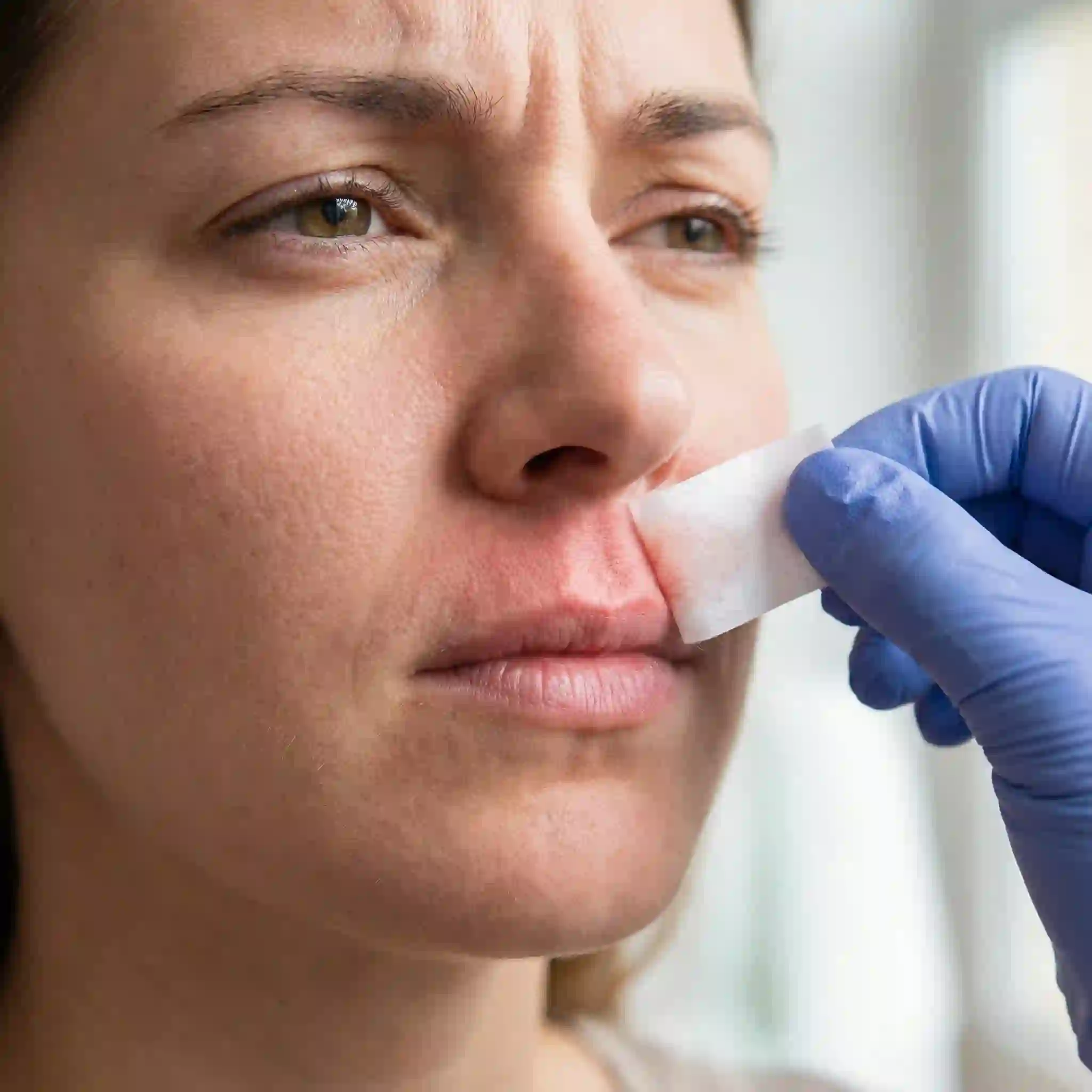
4.3 Sugaring: The Gentler Alternative
Sugaring uses a paste made from sugar, lemon juice, and water. It works similarly to waxing but adheres only to the hair, not the skin, which means less irritation. It is also water-soluble, making cleanup easier. Sugaring is a strong option for anyone who finds standard wax too harsh. As a natural facial hair removal alternative, it is growing in popularity. Results last about the same duration as waxing.

A YouTube tutorial by Dr. Sam Ellis covers permanent and at-home facial hair removal options with expert dermatologist guidance :
facial hair removal expert guide
YouTube Video
5. Threading and Tweezing: Precision Facial Hair Removal Methods
5.1 Facial Hair Threading: Ancient Technique, Modern Results
Facial hair threading is one of the oldest facial hair removal techniques in the world. It uses a twisted cotton thread to catch and pull out multiple hairs at once. It originated in South Asia and the Middle East and is still one of the most precise methods for shaping eyebrows, removing upper lip hair, and cleaning up chin hair.
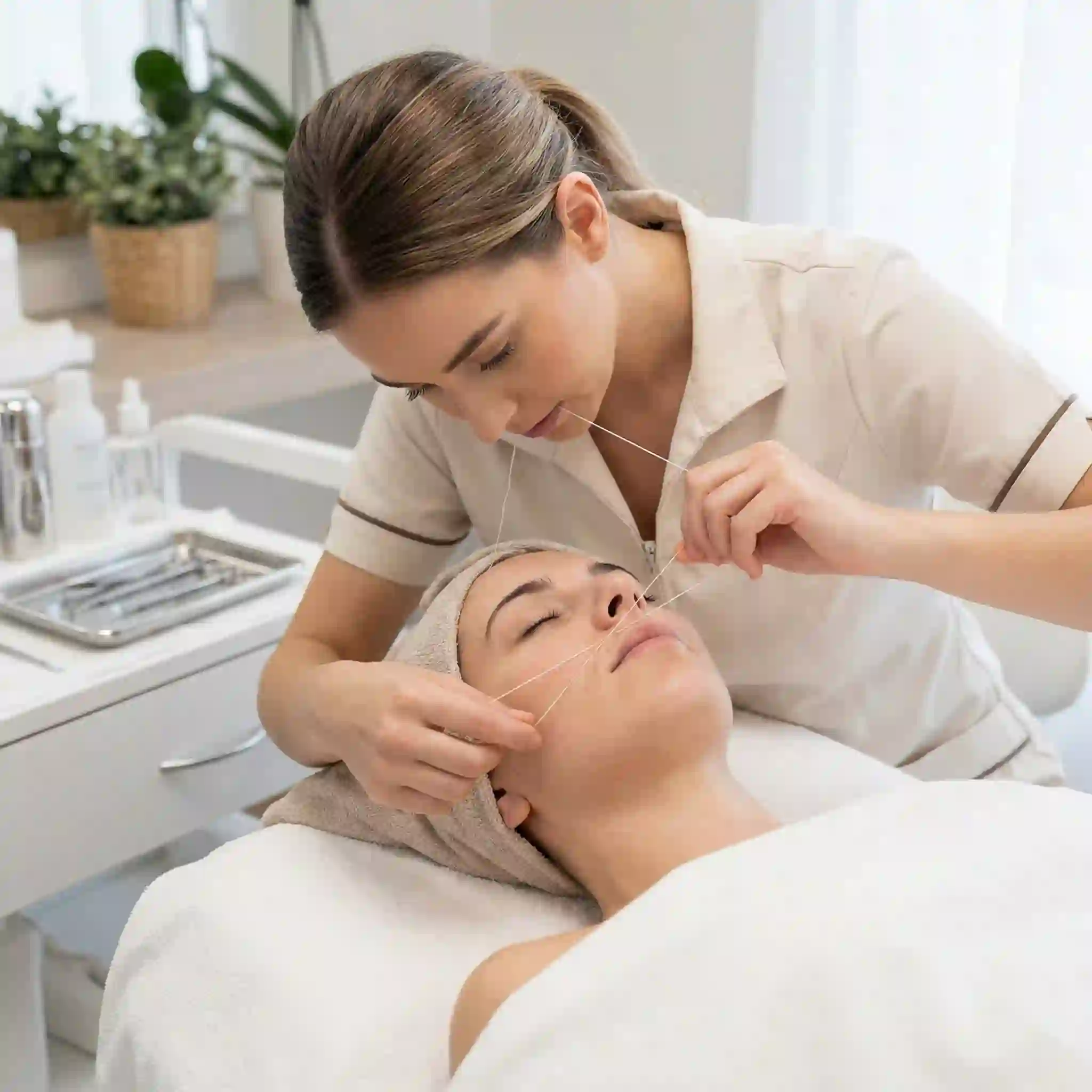
Threading uses no chemicals and no heat, which makes it one of the safest facial hair removal options for sensitive skin. Results last 4–6 weeks. The downside is that it requires skill — doing it yourself takes practice, and most people visit a professional. A threading session at a salon typically costs $10–$25.
5.2 Tweezing: Best for Spot Removal
Tweezing is the go-to tool for removing individual stray hairs. As a targeted facial hair removal method, it is not practical for large areas, but for a few chin hairs or stray brow hairs, nothing beats it for precision. Always sterilize your tweezers with rubbing alcohol before use. Pull the hair in the direction of growth to reduce breakage and the risk of ingrown hairs.
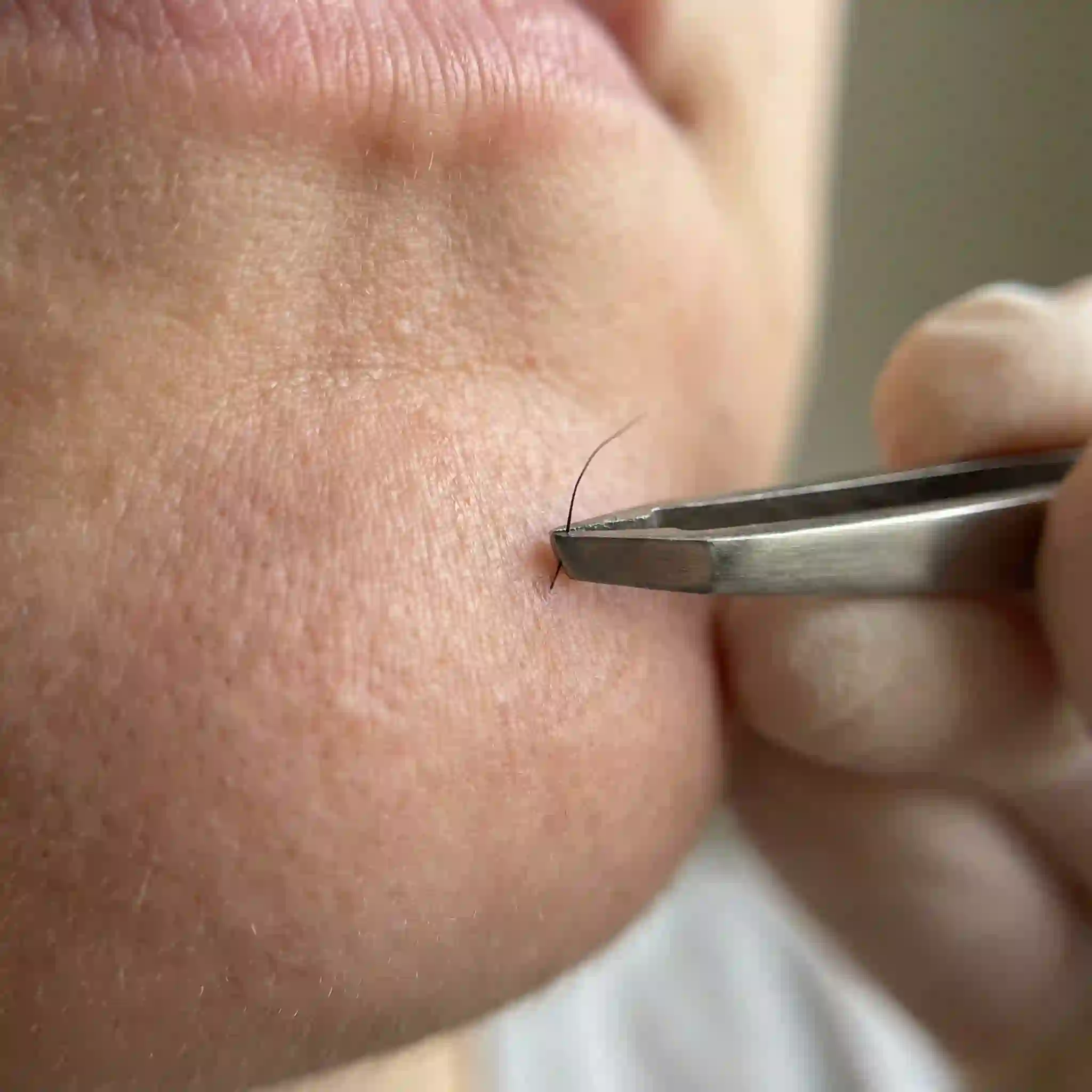
Tweezing is part of a smart facial and hair maintenance routine — use it between waxing or threading sessions to catch the hairs that grow back faster than others.
6. Depilatory Creams: Chemical Facial Hair Removal at Home
6.1 How Depilatory Creams Work
Depilatory creams dissolve the protein structure of hair (keratin) using chemicals like calcium thioglycolate. The hair becomes weak enough to wipe away. Results last slightly longer than shaving — typically 3–7 days — because the hair is removed at or just below the skin surface rather than cut above it.
The key rule: always use a product specifically labeled "for face." Body depilatory creams are formulated for thicker skin and can cause chemical burns on facial skin. This is one of the most important safety rules in facial hair removal. Always do a patch test on a small area (like behind the ear) 24 hours before applying to your face.
6.2 Magic Shave Powder: The Go-To Hair Removal for Men
Magic Shave Powder is a depilatory product specifically designed for men with coarse, thick beard hair. It is especially popular among Black men, because it eliminates the razor bumps (pseudofolliculitis barbae) that come from shaving coarse, curly hair. The magic shave powder sensitive skin formula uses a lower concentration of active ingredients to reduce irritation.
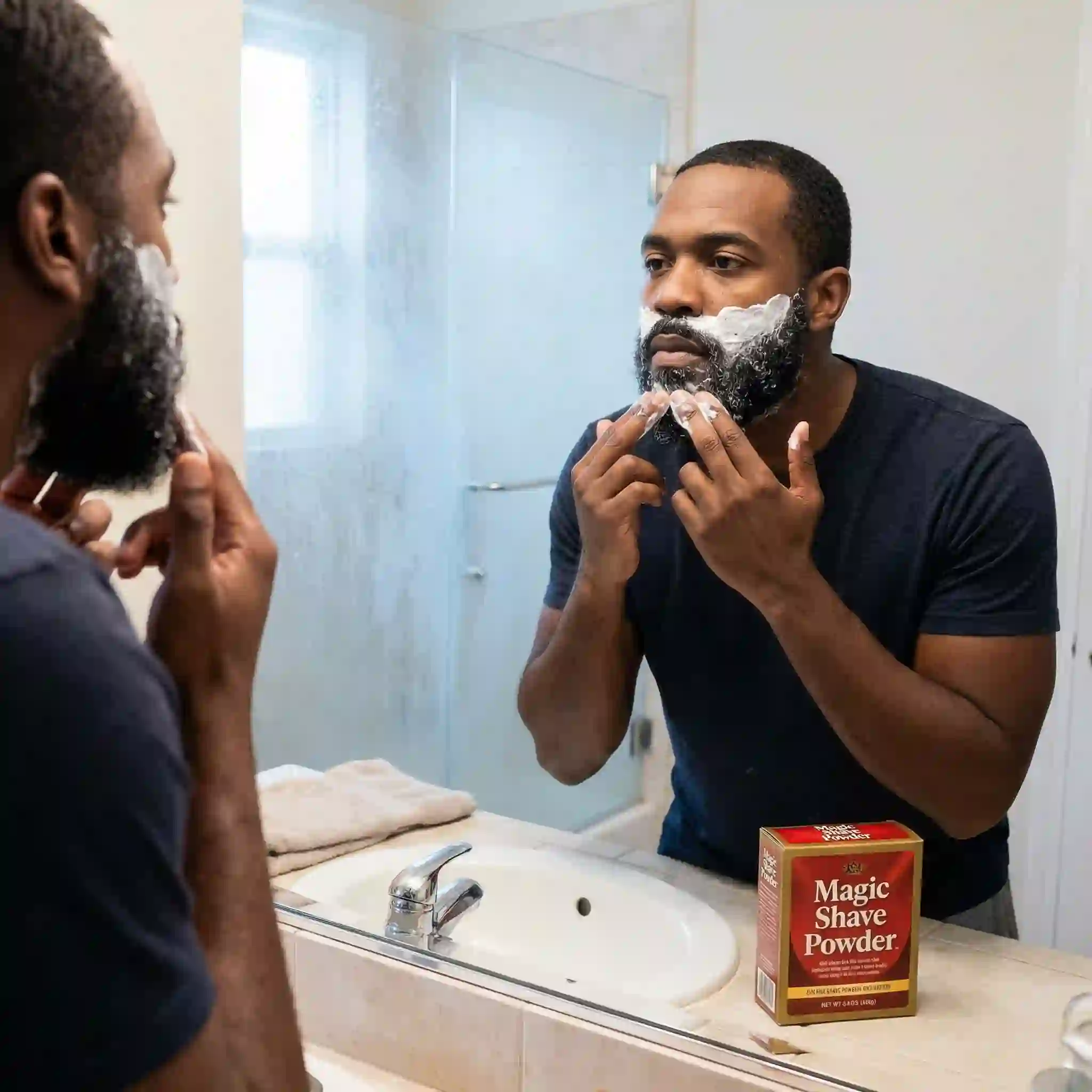
Magic hair removal powder works by mixing the powder with water to form a paste, applying it to the beard area, waiting 5–7 minutes (strictly — do not exceed this), then wiping it away with a damp cloth. Follow up immediately with a fragrance-free moisturizer.
6.3 Choosing the Right Depilatory for Coarse Hair
Not all depilatory creams are strong enough to handle thick beard hair. A depilatory cream for coarse hair needs a higher concentration of active ingredients and a longer contact time. Products like Surgi-cream and Nair for Men are formulated for this purpose. Hair removal cream on beard areas requires extra caution — the skin under a beard can be more sensitive than it looks, and the high hair density increases the risk of uneven removal.
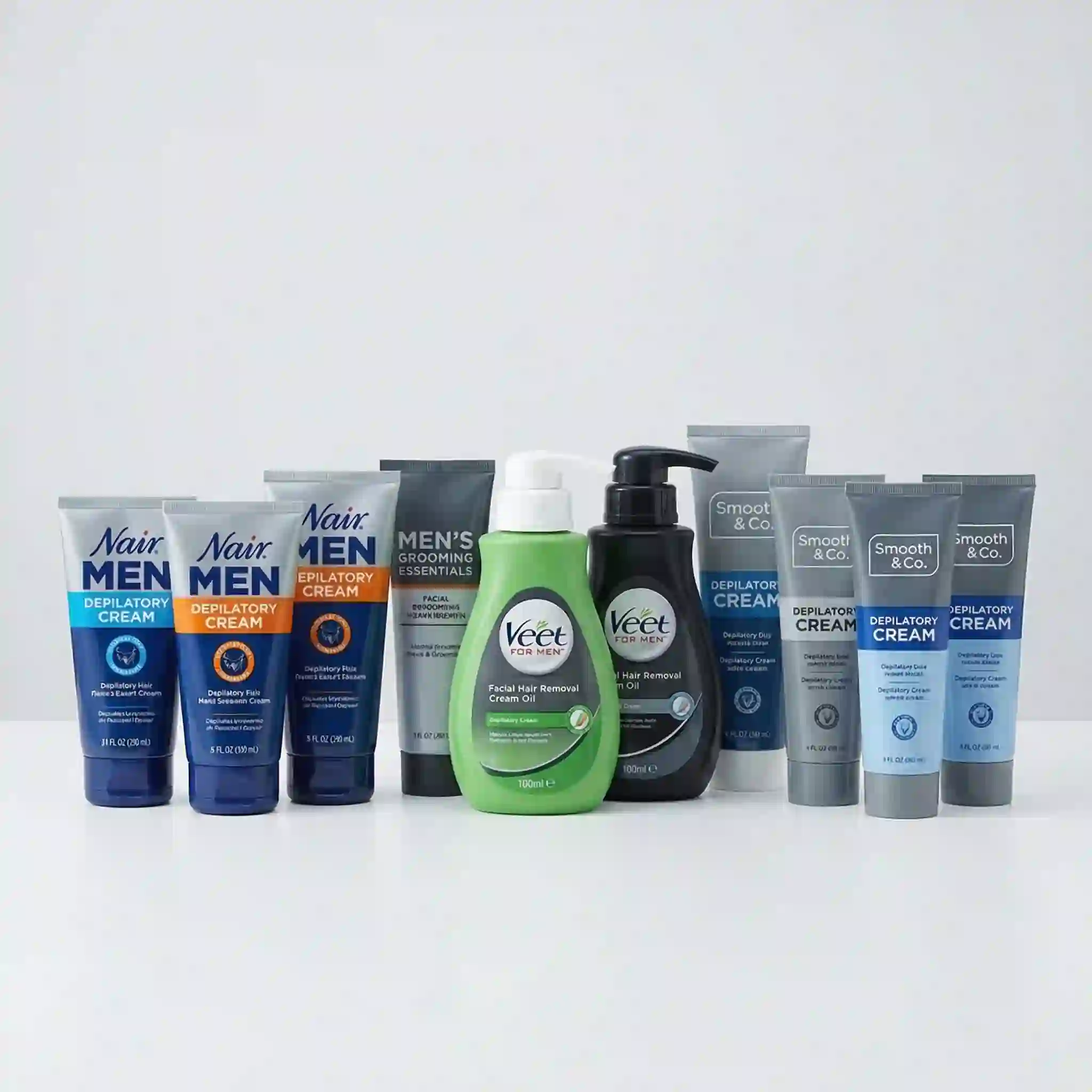
The best men hair removal cream options include Nair Men Hair Removal Body Cream and Veet for Men, both of which are designed for thicker hair. Head hair removal cream for men products like Nad's for Men work on both scalp and facial areas. For hair removal for man routines, always test a small patch first, regardless of which product you choose.
| Product | Best For | Contact Time | Sensitive Skin? |
|---|---|---|---|
| Magic Shave Powder (Sensitive) | Coarse beard, razor bumps | 5–7 min | ✅ Yes |
| Nair Men Hair Removal Cream | General body + face | 6–10 min | ⚠️ Patch test |
| Surgi-cream Face Formula | Fine to medium facial hair | 8 min | ✅ Yes |
| Veet Gel Hair Remover (Face) | Fine facial hair, women | 5–6 min | ✅ Yes |
A Reddit thread on r/HairRemoval discusses the best facial hair removal methods for men, including IPL and depilatory options for coarse facial hair :
7. Laser Hair Removal: Long-Term Facial Hair Reduction
7.1 How Laser Works and What Results to Expect
Laser hair removal for face targets the melanin (pigment) in the hair follicle. The laser energy heats and damages the follicle, slowing or stopping future hair growth. It does not remove hair permanently in a single session — most people need 6–8 sessions spaced 6–8 weeks apart to see full results.

According to the American Society of Plastic Surgeons, the average cost per laser session for the face is around $250–$350. A full course of 6–8 sessions typically runs $1,500–$2,800. That sounds expensive, but compare it to waxing every 4 weeks for 5 years — the laser option often wins on total cost.
7.2 Who Laser Works Best For (and Who It Doesn't)
Laser works best on people with dark hair and light skin. The laser needs contrast between hair pigment and skin pigment to target the follicle accurately. People with blonde, gray, or red hair get very limited results. People with darker skin tones need a specialist who uses Nd:YAG lasers (1064nm), which are safer for deeper skin tones.
This is a critical point that many facial hair removal guides skip over. If you have light hair or dark skin, laser may not be the right choice — or you need to find a clinic with the right equipment.
7.3 At-Home IPL vs. Professional Laser
At-home IPL (Intense Pulsed Light) devices like the Braun Silk Expert Pro 5 or Ulike Air+ cost $200–$500 and deliver lower energy levels than clinic lasers. They are safe for home use but require more sessions (12–15+) to achieve results similar to professional treatment. For facial hair removal, at-home IPL is a reasonable starting point if you have light skin and dark hair.
A YouTube guide by Sephora walks through facial hair removal tools and beginner shaving techniques for women with different skin types :
facial hair removal beginner guide
YouTube Video
8. Electrolysis: The Only Truly Permanent Facial Hair Removal Method
8.1 What Makes Electrolysis Different
Electrolysis is the only facial hair removal method the FDA has officially recognized as permanently removing hair. A trained technician inserts a tiny probe into each individual hair follicle and delivers a small electric current that destroys the follicle's ability to regrow hair. Unlike laser, electrolysis works on every hair color and every skin tone.
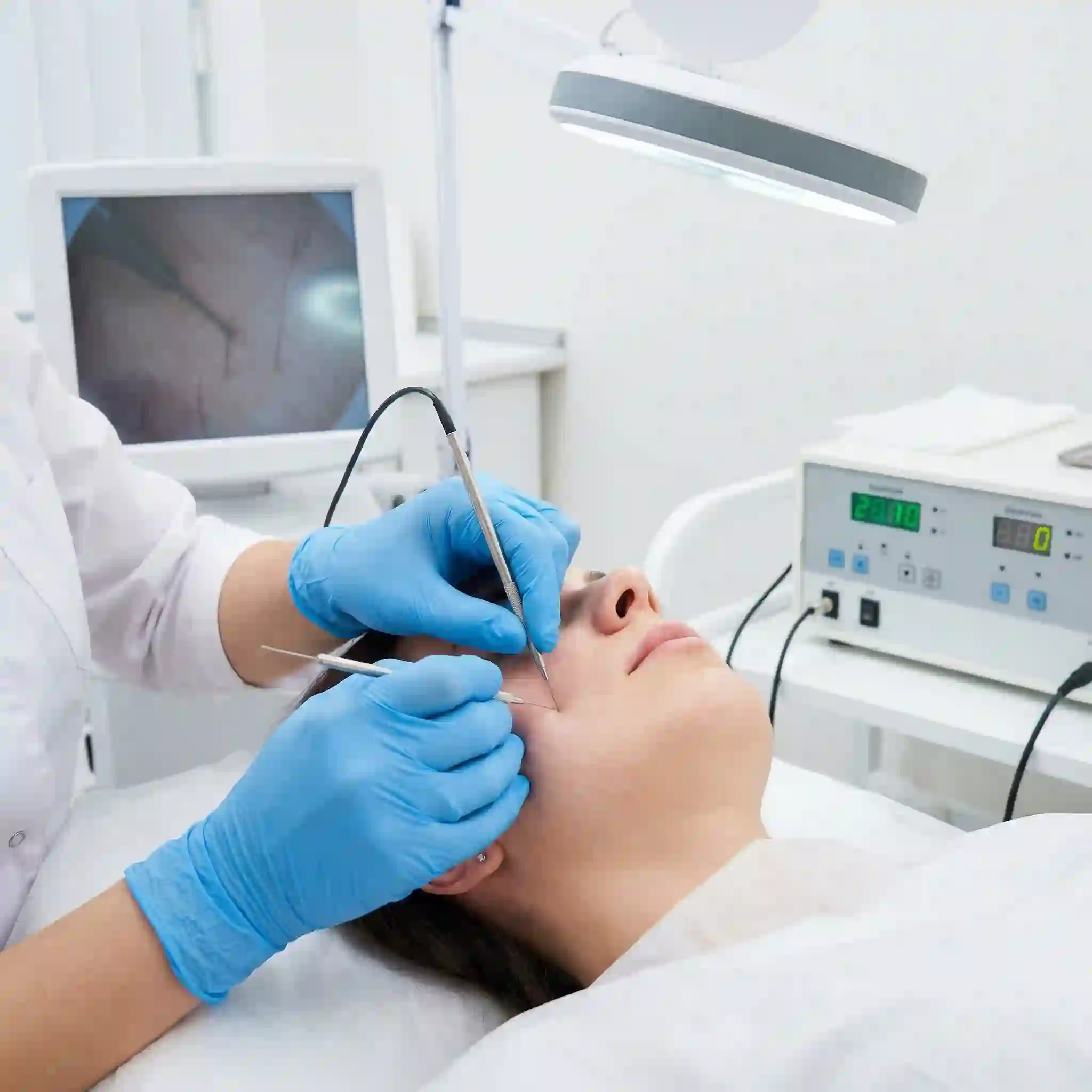
The major downside is time. Each follicle must be treated individually, which means a full beard or dense upper lip area can take dozens of hours of cumulative treatment. Total cost can range from $1,000 to over $5,000 depending on the area and number of sessions needed.
8.2 When to Choose Electrolysis Over Laser
Electrolysis is the right facial hair removal choice when you have light or gray hair that laser cannot target, or when you need truly permanent results on a small, specific area. It is also the preferred method for transgender women seeking permanent facial hair removal, as it handles all hair colors and provides guaranteed permanent results.
For large areas with dark hair, laser is faster and more cost-effective. For stubborn individual hairs or light-colored hair, electrolysis is unmatched. Both methods represent the most advanced end of the facial hair removal spectrum.
9. Natural Facial Hair Removal: What Actually Works
9.1 Turmeric, Honey, and Papaya: Real Results or Wishful Thinking?
Natural facial hair removal methods have been used for centuries. Turmeric mixed with flour and milk is a traditional remedy that, with consistent use over weeks, may slow down vellus hair regrowth. The active compound curcumin has mild anti-inflammatory and hair-inhibiting properties. However, it will not remove terminal hair and the effect is subtle at best.
Papaya contains papain, an enzyme that breaks down keratin — the same protein that depilatory creams target. Applying raw papaya paste regularly may soften fine facial hair over time. These methods work best as maintenance tools after another primary facial hair removal method, not as standalone solutions.
9.2 How to Use Natural Methods Effectively
The most realistic use of natural methods is as a complement to physical removal. After waxing or threading, applying a turmeric mask 2–3 times per week may slow regrowth and reduce hair thickness over several months. This is a realistic, low-cost addition to a facial and hair care routine — just don't expect it to replace waxing or laser. Natural facial hair removal works best as a supplement, not a substitute.
10. Sensitive Skin Guide: Safe Facial Hair Removal from Start to Finish
10.1 Before You Remove: Prep Your Skin
Sensitive skin needs careful preparation before any facial hair removal method. Skipping this step is the most common reason facial hair removal causes breakouts or irritation. Cleanse your face with a gentle, fragrance-free cleanser. Stop using retinol, AHA, BHA, or benzoyl peroxide products 3–5 days before waxing and 24–48 hours before shaving or dermaplaning.

These ingredients thin the skin's outer layer, making it more vulnerable to irritation or tearing.
10.2 The Safest Methods for Sensitive Skin
For people with reactive skin, the ranking from gentlest to most aggressive is: threading > dermaplaning > sugaring > soft waxing > shaving > depilatory creams > hard waxing.
Threading and dermaplaning are the top choices as a facial hair remover for sensitive skin because they involve no chemicals and minimal heat. The best facial hair remover for sensitive skin in the at-home product category is the Dermaflash Luxe+, which is specifically designed to minimize irritation. For men, an electric shaver for sensitive skin paired with a shaving cream for sensitive skin (like Aveeno Therapeutic Shave Gel) is the safest daily routine.
10.3 After Removal: Calm and Protect Your Skin
Right after any facial hair removal session, apply a fragrance-free, alcohol-free moisturizer. Aloe vera for razor burn and products with centella asiatica (cica) are the most effective for calming redness and rebuilding the skin barrier. Avoid sun exposure for 24–48 hours. Use SPF 30+ the following morning without exception.
| Method | Pain Level | Skin Risk | Duration | Best For |
|---|---|---|---|---|
| Threading | ⚠️ Mild | ✅ Low | 4–6 weeks | Sensitive skin, precision |
| Dermaplaning | ✅ None | ✅ Low | 2–4 weeks | Peach fuzz, all skin types |
| Sugaring | ⚠️ Moderate | ✅ Low | 3–5 weeks | Sensitive, natural preference |
| Soft Waxing | ⚠️ Moderate | ⚠️ Medium | 3–6 weeks | Normal to oily skin |
| Depilatory Cream | ✅ None | ⚠️ Medium | 3–7 days | Quick, painless removal |
| Laser (professional) | ⚠️ Mild | ✅ Low | Semi-permanent | Long-term reduction |
A Quora discussion explores the best facial hair removal options for women with sensitive skin prone to breakouts and irritation :
11. Men's Guide: Tackling Coarse Facial Hair Removal
11.1 Why Standard Methods Often Fail on Beard Hair
Men's beard hair is structurally different from most body hair. It is thicker, denser, and grows faster. This is why get rid of coarse facial hair is a different challenge than removing fine peach fuzz. Standard depilatory creams formulated for women's leg hair often fail to dissolve coarse beard hair within the safe contact time window. Forcing a longer application time leads to chemical burns.
Hair removal for man requires products with higher active ingredient concentrations and specific formulations for coarse hair. This is why products like Magic Shave Powder exist — they were designed specifically for this problem.
11.2 The Right Way to Use Hair Removal Cream on Beard Areas
Using hair removal cream on beard areas safely requires strict steps. Mix or apply the product as directed. Set a timer — do not guess. Use the spatula or cloth provided to remove the product, never your fingers. Rinse thoroughly with cool water. Apply a soothing, fragrance-free moisturizer immediately. Do not reapply within 72 hours if irritation occurs.
Best men hair removal cream options for the beard area include Magic Shave Powder Sensitive, Surgi-cream Extra Strength, and Nair Men. Head hair removal cream for men products can also be used on the face if they are labeled safe for facial use — always check the label. Depilatory cream for coarse hair should always be patch-tested on the inner arm first, even if you have used the product before.
A Reddit thread on r/beauty shares real user experiences with coarse facial hair removal challenges and method comparisons for facial hair removal :
12. Area-by-Area: Best Facial Hair Removal Method by Zone
12.1 Upper Lip Hair Removal
The upper lip is one of the most common and sensitive areas for facial hair removal. Choosing the right facial hair removal approach here makes a visible difference. For fine hair, dermaplaning or a wax strip designed for the upper lip works well.
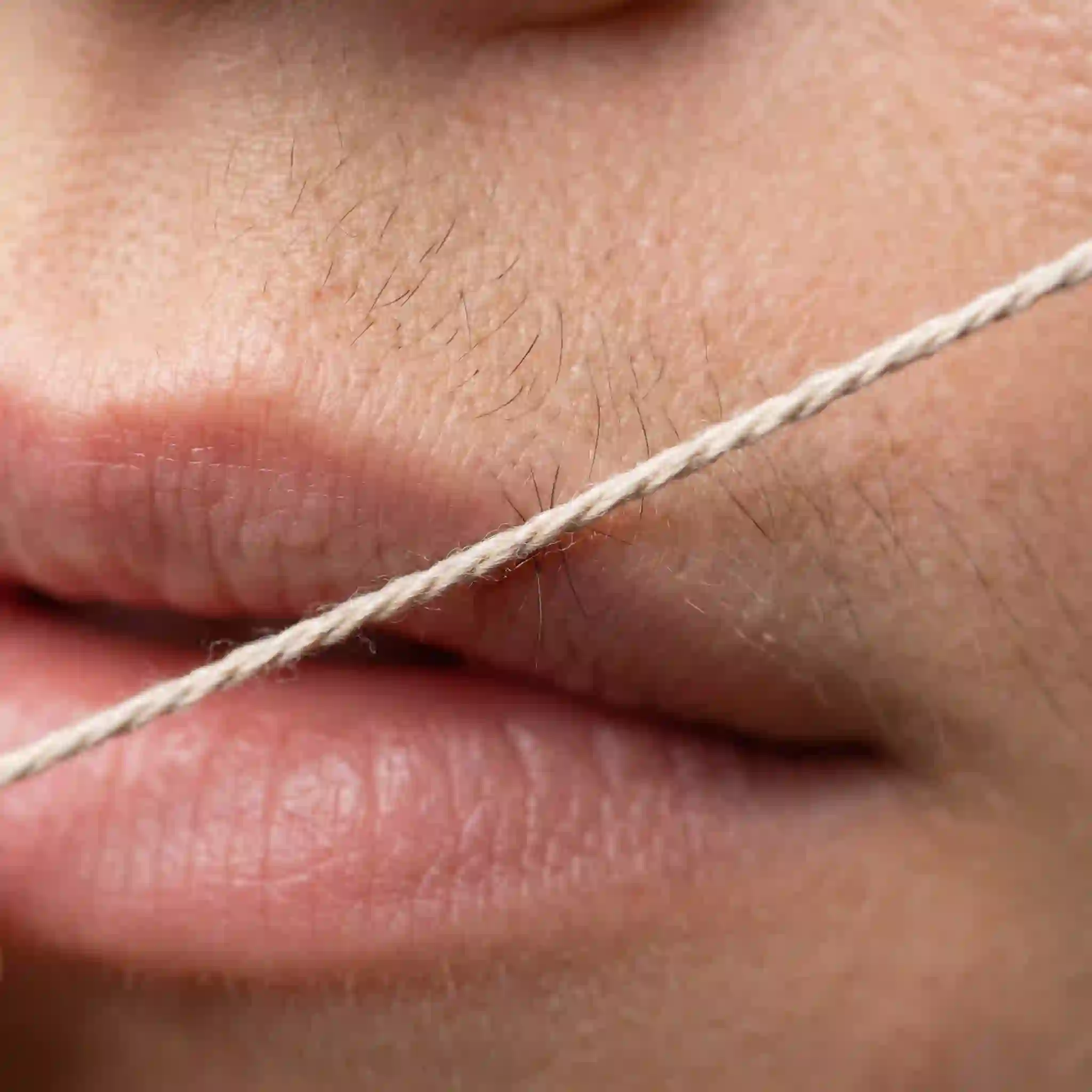
For darker, coarser hair, facial hair threading gives the most precise result with the least skin trauma. For long-term reduction, laser is the best investment — the upper lip typically responds well to laser because the skin is lighter and the hair is often darker.
12.2 Chin and Jawline
Chin hair tends to be coarser and more stubborn than upper lip hair. Tweezing works well for a few stray hairs. For denser growth, waxing or threading is more efficient.
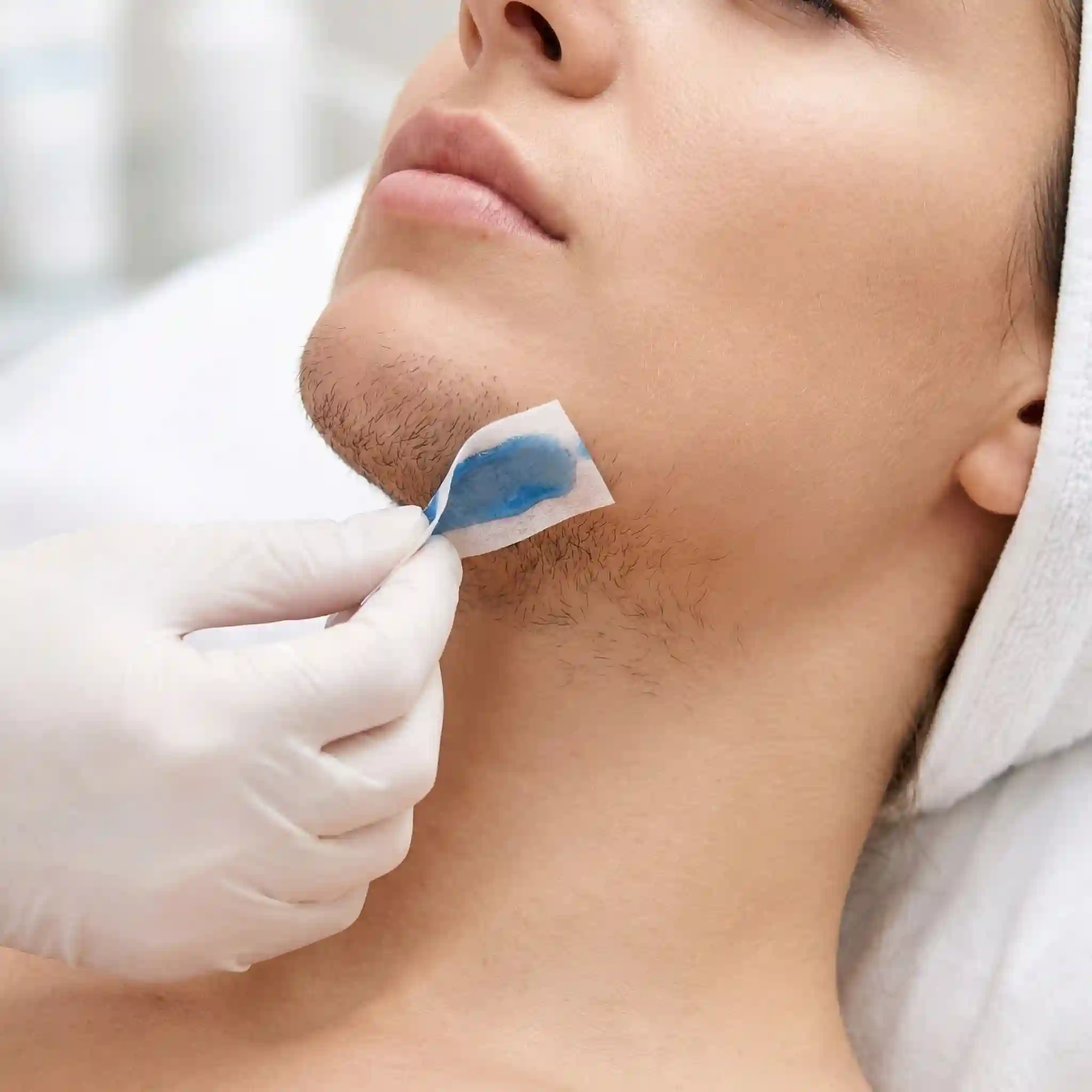
Laser is highly effective for the chin and jawline area and is often the first area people target for long-term facial hair removal. Many people combine methods in this zone for the best facial hair removal outcome.
12.3 Cheeks and Full Face
For overall face smoothness — removing peach fuzz across the cheeks and forehead — dermaplaning is the most practical facial hair removal method. It covers large areas quickly and the results are immediately visible.

For men wanting to remove facial hair across the full beard zone, the choice comes down to: shaving for daily maintenance, depilatory cream for a closer finish, or laser for permanent reduction.
13. Cost vs. Results: Which Facial Hair Removal Method Is Worth Your Money?
13.1 The Real Numbers
Cost is one of the biggest factors in choosing a facial hair removal method. Here is a realistic breakdown based on current market data. Understanding these numbers helps you make a smarter facial hair removal investment.
| Method | Single Session Cost | Annual Cost (Est.) | Permanence | Skin Risk |
|---|---|---|---|---|
| Shaving / Dermaplaning | $0–$30 (tools) | $30–$100 | ❌ Temporary | ✅ Low |
| Waxing / Sugaring | $10–$80/session | $120–$960 | ❌ Temporary | ⚠️ Medium |
| Threading | $10–$25/session | $80–$300 | ❌ Temporary | ✅ Low |
| Depilatory Cream | $5–$20/use | $60–$240 | ❌ Temporary | ⚠️ Medium |
| Laser (face, full course) | $250–$350/session | $1,500–$2,800 total | ✅ Semi-permanent | ✅ Low |
| Electrolysis | $75–$150/hour | $1,000–$5,000+ total | ✅ Permanent | ✅ Low |
| AI Photo Removal | Near $0 | Near $0 | N/A (photo only) | ✅ None |
13.2 How to Think About the Investment
Choosing a facial hair removal method without thinking about long-term cost is one of the most common mistakes people make. Many people start with cheap, temporary options and end up spending far more over time than if they had invested in a longer-lasting solution from the start.
If you spend $30 on waxing every 5 weeks, that adds up to roughly $312 per year. Over 5 years, that is $1,560 — close to the cost of a full laser course that could eliminate the need for waxing entirely. For people who have been doing regular waxing or threading for years, laser is often the smarter long-term investment.
For men who shave daily and deal with razor bumps, the cost of razors, shaving cream, and aftercare products adds up too. Switching to laser or a quality electric shaver can reduce both cost and skin damage over time. A long-term facial hair removal plan almost always costs less than short-term solutions repeated indefinitely. The key is to match your investment level to how permanent you want your results to be.
14. AI Photo Beard Removal: Instant Facial Hair Removal Without Touching Your Skin
14.1 A New Kind of Facial Hair Removal
There is now a completely different type of facial hair removal — one that requires no razor, no cream, and no pain. This new approach to facial hair removal is changing how people think about the problem. AI-powered photo beard removal tools like BeardRemover.com use deep learning models to detect and remove beard hair from photos, then rebuild the skin texture beneath to look completely natural.
This is not traditional facial hair removal in the physical sense. But for a growing number of use cases, it solves the problem just as effectively — and instantly.
14.2 Who Needs AI Facial Hair Removal?
The demand for this type of facial hair removal tool is real and specific. A man who has grown a beard for years may need a clean-shaven headshot for a job application, a passport photo, or a LinkedIn profile — but does not want to actually shave. Someone with extremely sensitive skin who reacts badly to every physical or chemical facial hair removal method may need a photo-ready solution without any skin contact. Or someone simply wants to see what they would look like without a beard before committing to shaving it off.
BeardRemover.com handles all of these cases. Upload a photo, and the AI removes the beard in under 30 seconds. The result looks natural because the model is trained on millions of real faces — it reconstructs skin texture, pores, and jaw contour, not just a blurry fill.
14.3 AI vs. Physical Facial Hair Removal: Side-by-Side
| Feature | AI Photo Removal | Shaving | Waxing | Laser |
|---|---|---|---|---|
| Time to result | ✅ Seconds | ⚠️ 5–10 min | ⚠️ 20–30 min | ❌ Weeks/months |
| Pain | ✅ None | ✅ None | ❌ Yes | ⚠️ Mild |
| Skin risk | ✅ Zero | ⚠️ Razor burn | ⚠️ Irritation | ⚠️ Low |
| Reversible | ✅ Yes (photo only) | ❌ No | ❌ No | ❌ No |
| Cost | ✅ Very low | ⚠️ Ongoing | ⚠️ Ongoing | ❌ High upfront |
| Works on all hair types | ✅ Yes | ✅ Yes | ⚠️ Mostly | ❌ Dark hair only |
14.4 A Real-World Use Case
Consider this scenario: you have a video interview in 20 minutes and realize your beard looks unprofessional in the camera frame. You don't have time to shave — and even if you did, your skin would be red and irritated for the next hour. BeardRemover.com solves this in 30 seconds. Upload your photo, download the result, update your profile picture. Done.
This is why AI facial hair removal is not just a gimmick — it fills a real gap that no physical or chemical method can fill.
A Quora thread asks about the most effective methods for permanent facial hair removal, with community answers covering laser, electrolysis, and newer digital facial hair removal tools :
15. FAQ: Your Top Facial Hair Removal Questions Answered
15.1 Does Facial Hair Removal Make Hair Grow Back Thicker?
No. This is the most common myth about facial hair removal, and it applies to every facial hair removal method — shaving, waxing, threading, and depilatory creams. Shaving, waxing, threading, and depilatory creams do not change the thickness, color, or growth rate of your hair. Hair follicles are determined by genetics, not by how you remove the hair above the skin. The stubbly feeling after shaving comes from the blunt cut end of the hair — not from thicker regrowth.
15.2 How Often Should You Do Facial Hair Removal?
It depends on the facial hair removal method you use. Shaving can be done daily. Dermaplaning works best every 2–4 weeks. Waxing and threading last 3–6 weeks. Depilatory creams can be used every 3–7 days, but avoid using them more than twice a week on the face. Laser sessions are spaced 6–8 weeks apart during the treatment course.
15.3 Does AI Beard Removal Look Natural in Photos?
Yes, when done with a quality tool like BeardRemover.com. This AI facial hair removal approach is trained on real human faces and reconstructs skin texture, pores, and facial contours — not just a flat color fill. Most people cannot tell the difference between an AI-processed photo and a real clean-shaven photo when the tool is used correctly.
16. Build Your Personal Facial Hair Removal Strategy
Facial hair removal is not a one-size-fits-all decision. The best facial hair removal plan is the one that fits your real life. The right method depends on your hair type, skin sensitivity, budget, and how much time you want to invest. For daily maintenance, shaving and dermaplaning are fast and low-risk.
For longer-lasting results, waxing, threading, and sugaring are reliable. For permanent reduction, laser and electrolysis are the gold standard — just make sure you are a good candidate before investing.
For men dealing with coarse beard hair, Magic Shave Powder and dedicated men's depilatory creams offer a shaving alternative that avoids razor bumps. For anyone who needs a clean-shaven photo right now — without touching their actual beard — BeardRemover.com delivers instant results with zero skin risk.
Whatever your situation, you now have the full picture. Pick the method that fits your life, and take the first step toward the smooth, confident look you want.
Ready to see yourself without a beard — in seconds? Visit us, upload your photo, and let our AI handle the rest. No razor, no cream, no waiting. Just results.
Compare waxing, sugaring, IPL devices, and electric epilators for facial hair, understanding pain levels, smoothness duration, and cost so you can choose a realistic long-term beard removal strategy.
References
Effects of Depilatory Cream Formulation and Contact Time on Mouse Skin
PMC — Methods to Overcome Poor Response and Challenges of Facial Laser Hair Reduction