
Women's Facial Hair Removal: The Complete Guide to Every Method, Tool, and Product
For many women, the presence of facial hair can be a source of significant self-consciousness, impacting their confidence and even the smooth application of makeup. A common concern revolves around the myth that shaving will cause hair to grow back thicker and faster, leading to hesitation in choosing this quick removal method.
Additionally, women with sensitive skin often struggle to find a gentle yet effective hair removal solution that won't cause irritation or adverse reactions.
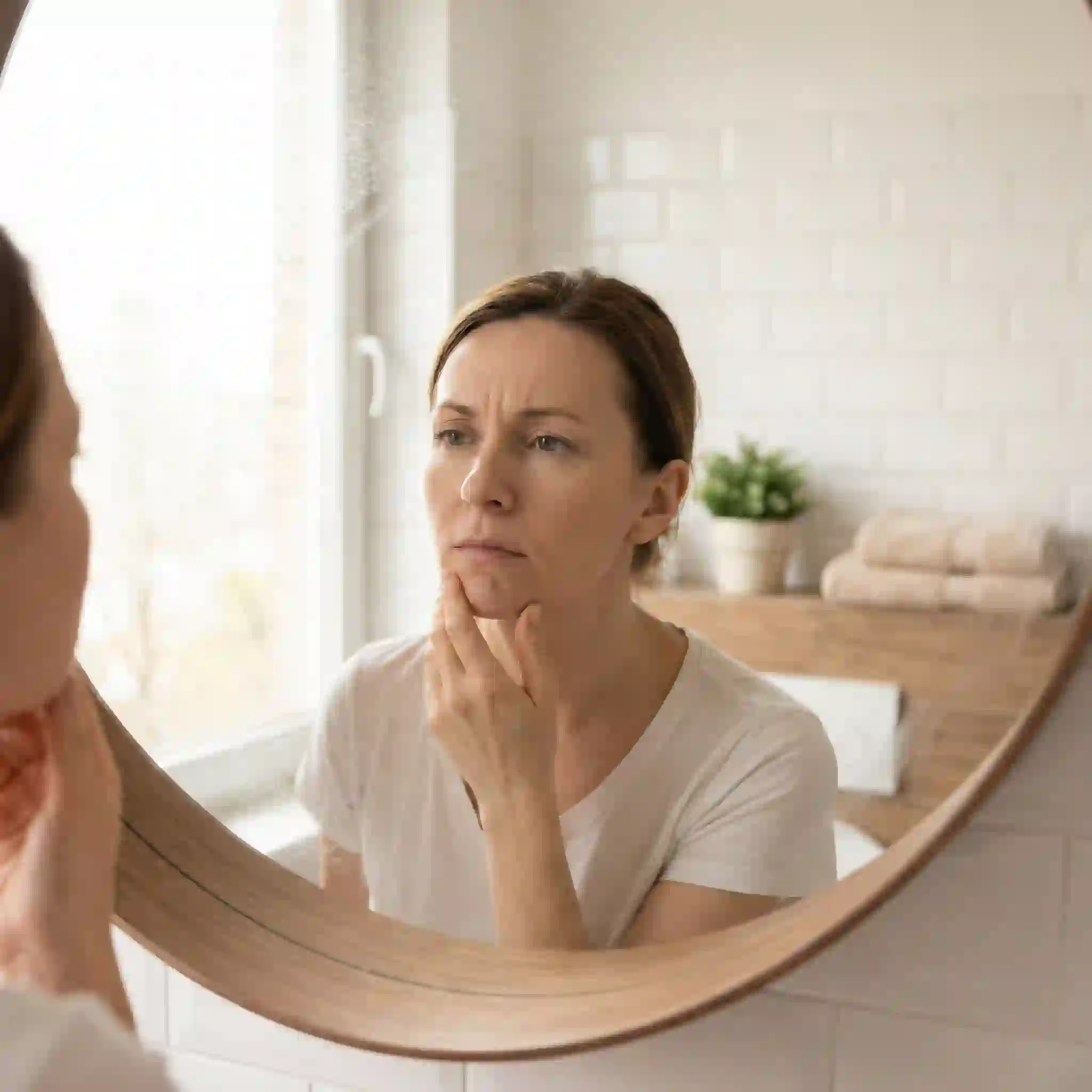
The sheer variety of available tools and products—from razors and creams to trimmers—can be overwhelming, making it difficult to determine the best approach for individual needs. This comprehensive guide aims to demystify women's facial hair removal, exploring various methods, tools, and products to help every woman find a safe, effective, and comfortable solution.
1. Understanding Women's Facial Hair
1.1 Why women grow facial hair: causes and hormones
Facial hair in women, while often a cause for concern, is a natural biological phenomenon influenced by a complex interplay of genetics and hormones. The presence of noticeable facial hair, particularly in areas typically associated with male hair growth, is a condition known as hirsutism. Studies indicate that up to 40% of women experience some form of noticeable facial hair.
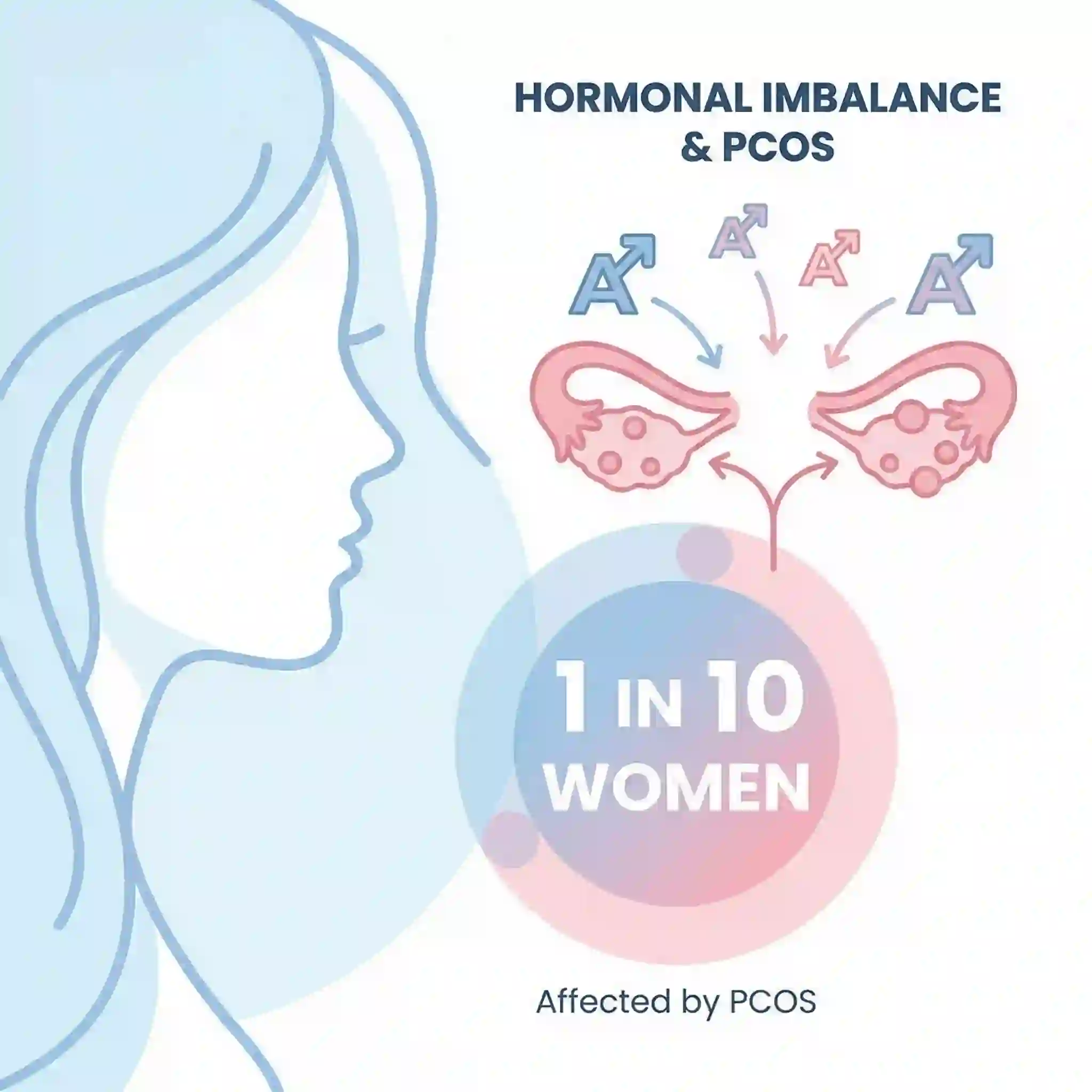
A significant contributing factor to hirsutism is an imbalance in androgen hormones, often seen in conditions like Polycystic Ovary Syndrome (PCOS). PCOS affects approximately 1 in 10 women and is a common underlying cause of excessive facial hair growth. Other factors can include certain medications, genetics, and age-related hormonal changes.
1.2 Vellus vs. terminal hair: what's the difference?
Understanding the two primary types of hair on the human body is crucial for effective hair management. Vellus hair is fine, soft, and typically light-colored, often referred to as peach fuzz. It is barely noticeable and covers most of the body.
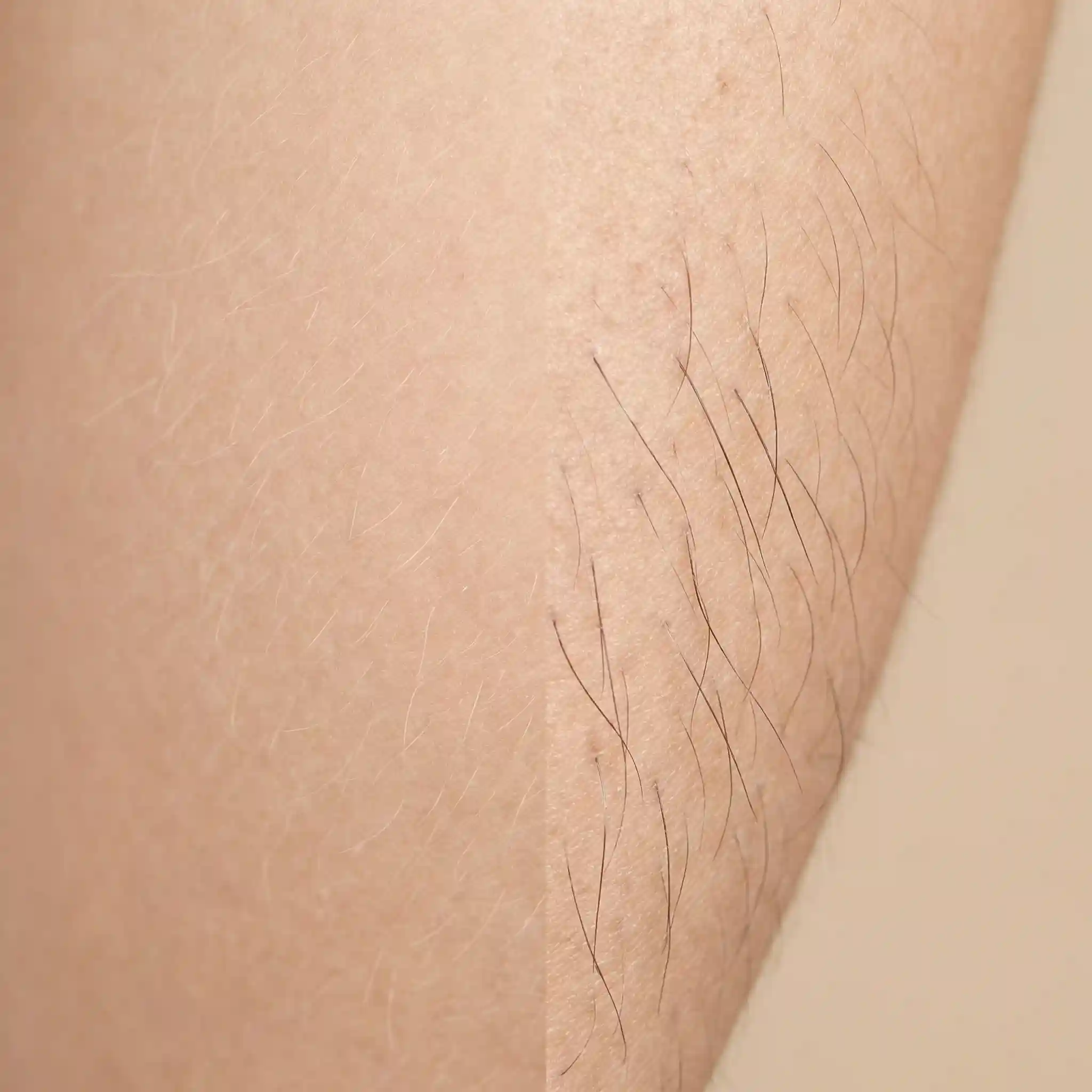
In contrast, terminal hair is thicker, coarser, and darker. This type of hair is typically found on the scalp, eyebrows, and eyelashes, but can also appear on the face, chest, and limbs, especially when influenced by hormonal changes.
1.3 Does shaving make facial hair grow back thicker? The truth.
The belief that shaving causes hair to grow back thicker, darker, or faster is a widespread misconception. Dermatological research consistently debunks this myth. When hair is shaved, it is cut at the skin's surface, leaving a blunt tip.
This blunt tip can make the hair appear coarser as it begins to grow out, creating the illusion of increased thickness. However, shaving does not alter the hair follicle itself, nor does it affect the hair's color, growth rate, or actual thickness. The part of the hair that is responsible for growth lies beneath the skin, untouched by a razor.
Any perceived changes are purely superficial and temporary. This understanding is crucial for women considering shaving as a facial hair removal option, as it alleviates a common fear associated with the method.
2. Physical Removal Methods for Women
2.1 Shaving: the fastest option for facial hair removal
Shaving remains one of the quickest and most accessible methods for removing unwanted facial hair. It involves using a razor to cut hair at the skin's surface. This method is painless when done correctly and can be performed at home with minimal preparation.

Shaving is particularly effective for fine vellus hair, often referred to as peach fuzz, as it provides an immediate smooth finish. It is also a convenient option for last-minute touch-ups.
While shaving offers speed and convenience, it is a temporary solution. Hair typically regrows within a day or two, necessitating frequent upkeep. Proper technique is essential to prevent nicks, cuts, and skin irritation.
Using a sharp, clean razor and a lubricating shaving cream or gel can significantly enhance the experience and reduce the risk of adverse effects. Always shave in the direction of hair growth to minimize irritation, especially for those with sensitive skin.
2.2 Threading and tweezing: precision removal
Threading and tweezing are highly effective methods for removing individual hairs, offering precision that other techniques cannot match. Tweezing involves using a pair of tweezers to pluck hairs directly from the root. This method is ideal for shaping eyebrows or removing stray hairs on the chin or upper lip.
It provides longer-lasting results than shaving, as the entire hair is removed.
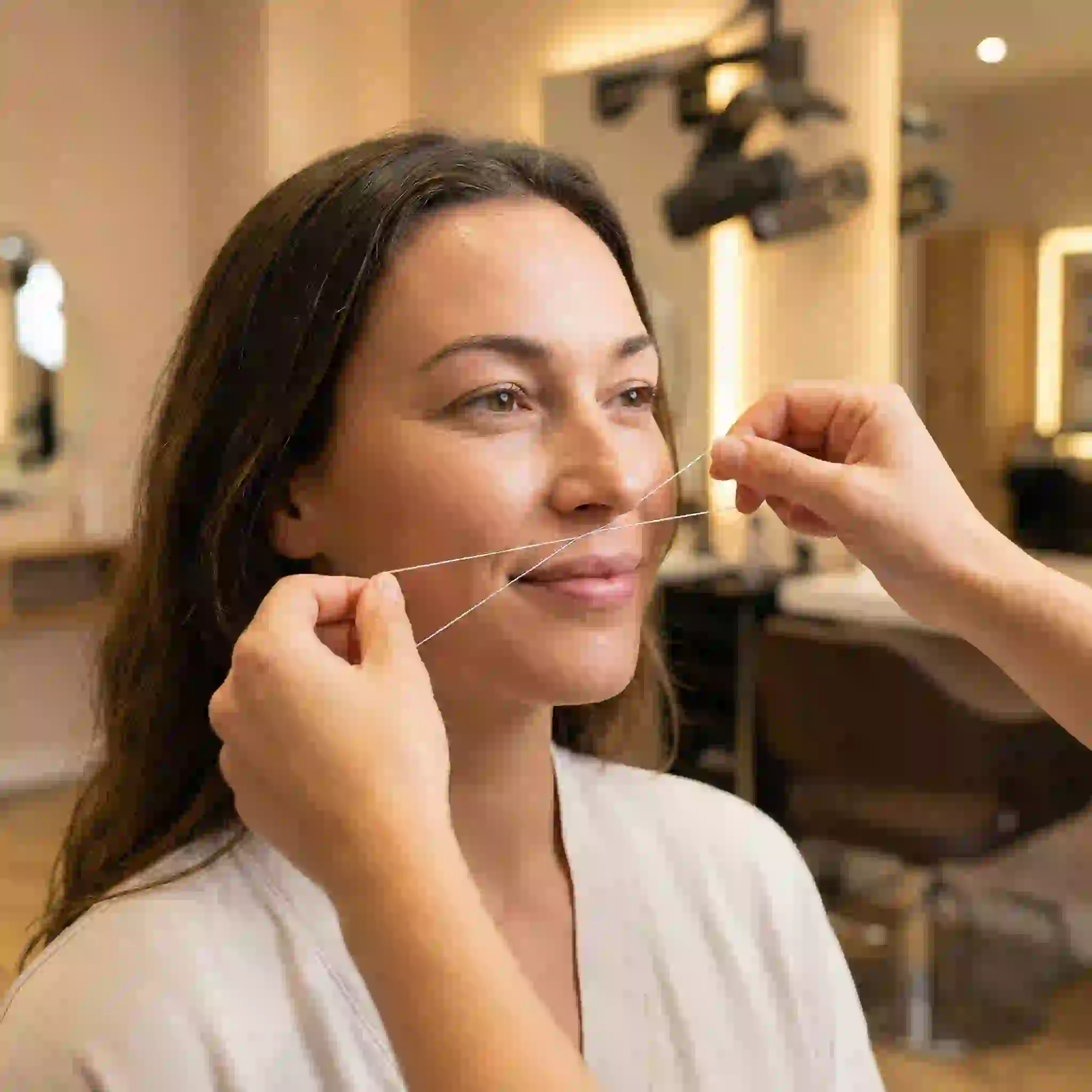
Threading, an ancient hair removal technique, uses a thin, twisted cotton thread to roll over unwanted hair, plucking it from the follicle. This method is particularly popular for eyebrow shaping and removing hair from the upper lip and forehead. Threading is known for its precision and ability to remove even very fine hairs.
Both tweezing and threading can be uncomfortable, especially for those with sensitive skin, but the results typically last for several weeks.
2.3 Waxing: longer-lasting results
Waxing is a popular method for removing larger areas of facial hair, offering results that can last for several weeks. This technique involves applying warm wax to the skin, allowing it to adhere to the hair, and then quickly pulling it off, removing hair from the root. Waxing can be performed at home with kits or by a professional in a salon setting. It is effective for removing both fine and coarse hair, leaving the skin smooth.

While waxing provides longer-lasting smoothness, it can be a painful process, especially for sensitive facial skin. It also carries risks such as redness, irritation, ingrown hairs, and even skin lifting if not done correctly. It is crucial to ensure the wax is not too hot and to follow all instructions carefully.
Patch testing a small area of skin before full application is highly recommended to check for any adverse reactions. After waxing, soothing the skin with a calming lotion can help reduce redness and discomfort.
3. The Best Face Shavers and Trimmers for Women
3.1 Women's facial shaver vs. ladies facial hair razor: what's the difference?
The terms 'women's facial shaver' and 'ladies facial hair razor' are often used interchangeably, but there can be subtle differences in their design and intended use. Generally, a 'facial razor' refers to a manual blade designed for shaving the face, similar to a traditional razor but often smaller and with a guard to prevent nicks. These are commonly used for dermaplaning, which not only removes hair but also exfoliates the skin.
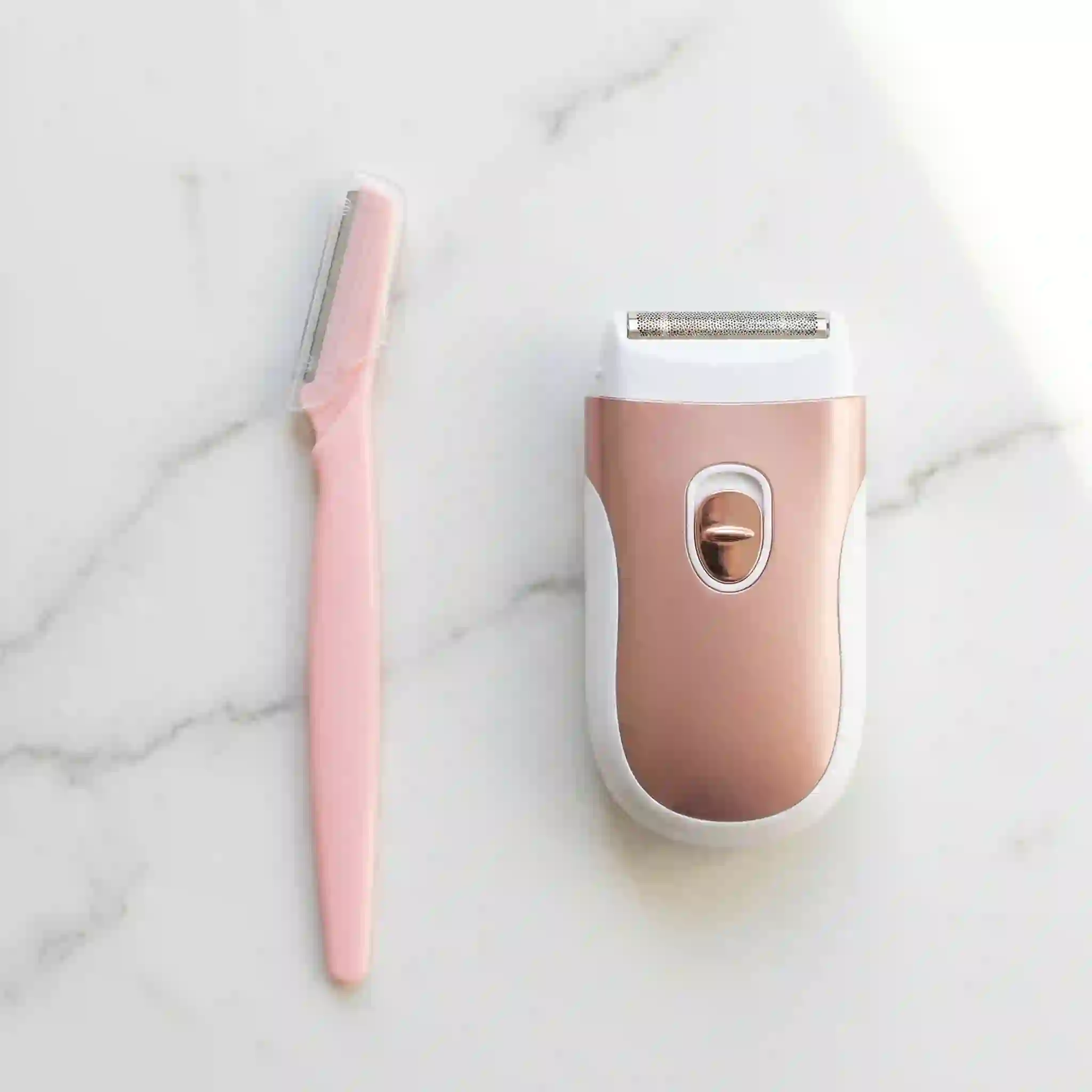
A 'women's facial shaver,' on the other hand, often implies an electric device. These can range from compact, battery-operated trimmers to more sophisticated electric razors designed specifically for delicate facial skin. Electric shavers typically use oscillating blades beneath a protective foil, offering a gentler shave that minimizes direct contact between the blade and skin.
This design makes them a good option for those prone to irritation or razor burn.
3.2 Electric women's face razor: top picks and how to use them
Electric women's face razors offer a convenient and often gentler alternative to manual shaving. These devices are designed to glide smoothly over facial contours, effectively removing hair without the risk of nicks or cuts. Many models are cordless and can be used for both wet and dry shaving, providing flexibility for different routines.
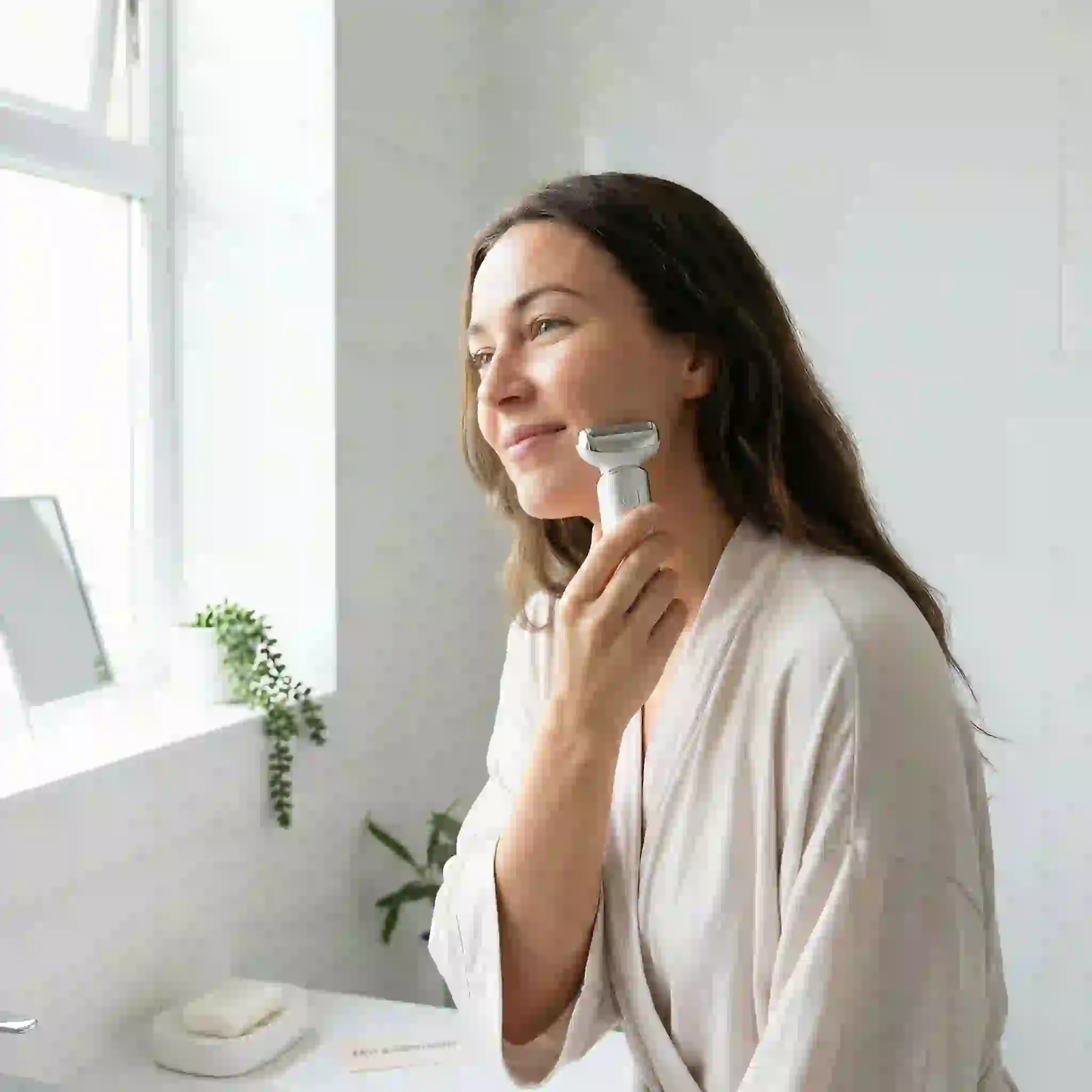
When using an electric face razor, ensure your skin is clean and dry for optimal results, or use with a gentle shaving cream if wet shaving. Move the razor in small, circular motions or against the direction of hair growth, depending on the device's instructions and your skin's sensitivity. Regular cleaning of the shaver head is essential to maintain hygiene and performance.
3.3 Best face trimmer for women: precision tools for eyebrows and upper lip
For areas requiring meticulous detail, such as eyebrows, the upper lip, or stray chin hairs, a precision face trimmer is an invaluable tool. These compact devices are designed with smaller, finer blades that allow for accurate shaping and removal without affecting surrounding areas. Many come with various attachments, such as different length combs for eyebrow trimming or detail heads for delicate areas.
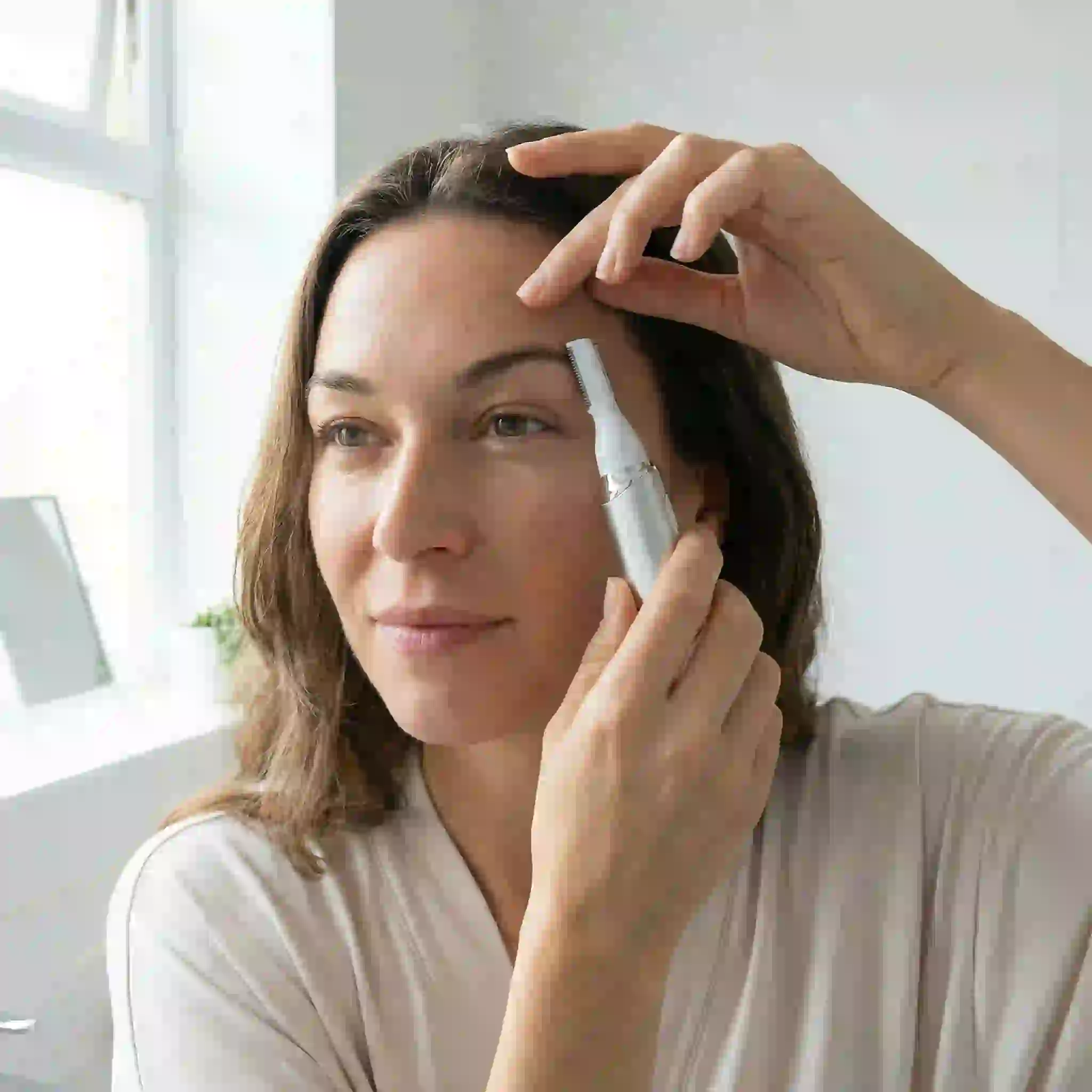
When using a face trimmer, hold the skin taut and gently guide the trimmer over the desired area. For eyebrows, it's often best to trim against the direction of hair growth for a cleaner look, while for the upper lip, a gentle sweeping motion can be effective. Their small size and battery operation make them perfect for travel and quick touch-ups.
3.4 Best face shaver for women: overall recommendations
Choosing the best face shaver for women depends largely on individual needs, skin type, and desired results. For those seeking a quick, close shave and exfoliation, a high-quality manual facial razor designed for dermaplaning can be excellent. These offer immediate smoothness and help makeup apply flawlessly.
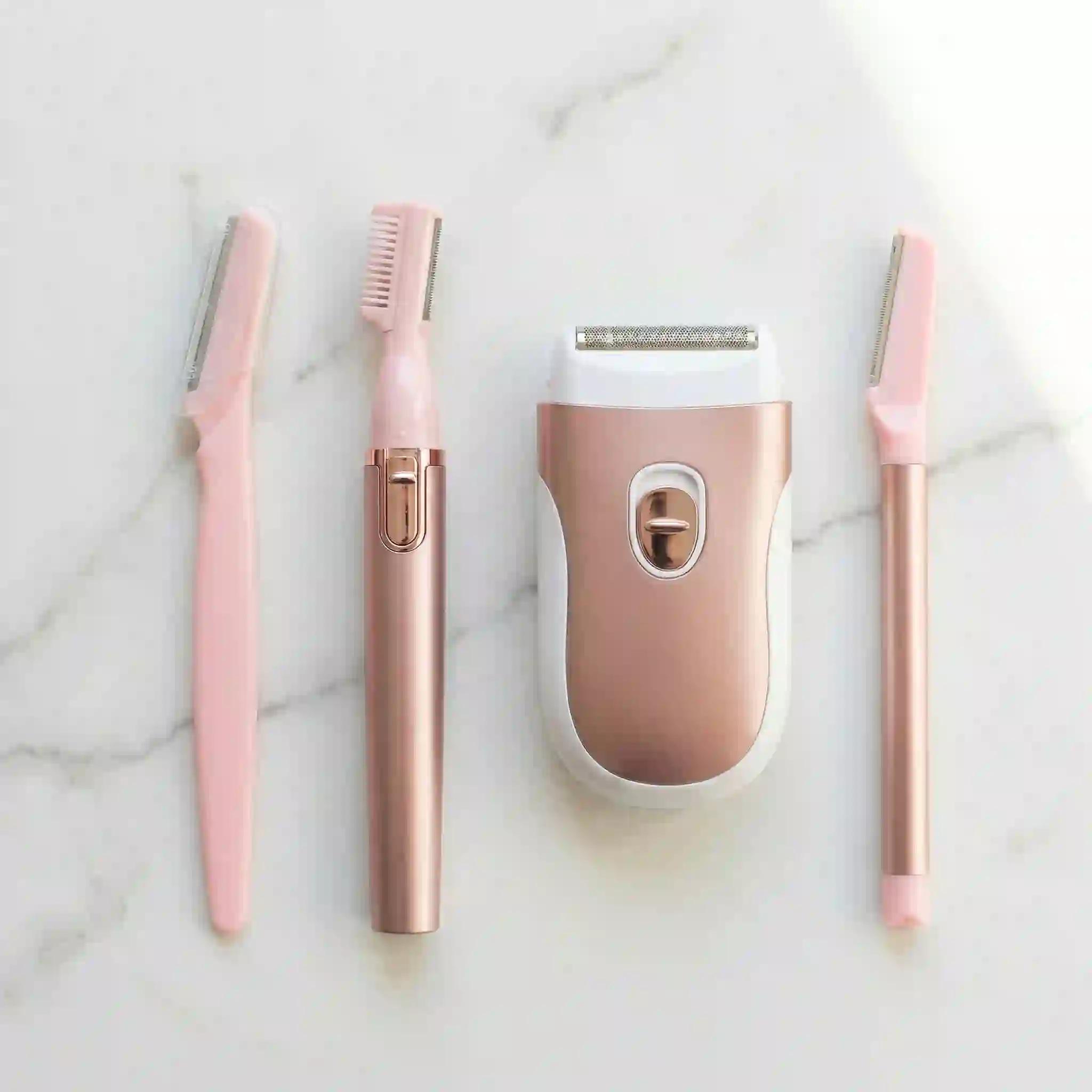
For sensitive skin or those prone to irritation, an electric facial shaver with a protective foil head is often a better choice, providing a gentle yet effective hair removal experience. Precision trimmers are indispensable for detailed work and maintaining specific areas like eyebrows. Ultimately, the 'best' shaver is one that fits comfortably into your routine, addresses your specific concerns, and leaves your skin feeling smooth and healthy.
For a foolproof option, consider the Gillette Venus Mini Facial Hair Remover. Our tester raved about its ease of use, noting the smooth result.
4. Women's Facial Hair Removal Cream
4.1 How depilatory creams work on facial skin
Depilatory creams, often referred to as hair removal creams, offer a chemical method for removing unwanted facial hair. These creams contain alkaline chemicals, such as calcium thioglycolate or potassium thioglycolate, which work by breaking down the disulfide bonds in the hair's protein structure. This process weakens the hair shaft, causing it to dissolve just below the skin's surface.
Once the hair is sufficiently weakened, it can be easily wiped away with a cloth or spatula, leaving the skin smooth.
The advantage of depilatory creams is their pain-free application and the ability to remove hair without cutting or pulling. Unlike shaving, which leaves a blunt hair tip, depilatory creams dissolve the hair, resulting in a softer regrowth. However, because these creams use strong chemicals, they must be used with caution, especially on the delicate skin of the face.
Formulations specifically designed for facial use are typically milder and contain soothing ingredients to minimize irritation.
4.2 How to safely use women's facial hair removal cream
Safe and effective use of women's facial hair removal cream is paramount to avoid skin irritation or adverse reactions. The most critical step before full application is performing a patch test.
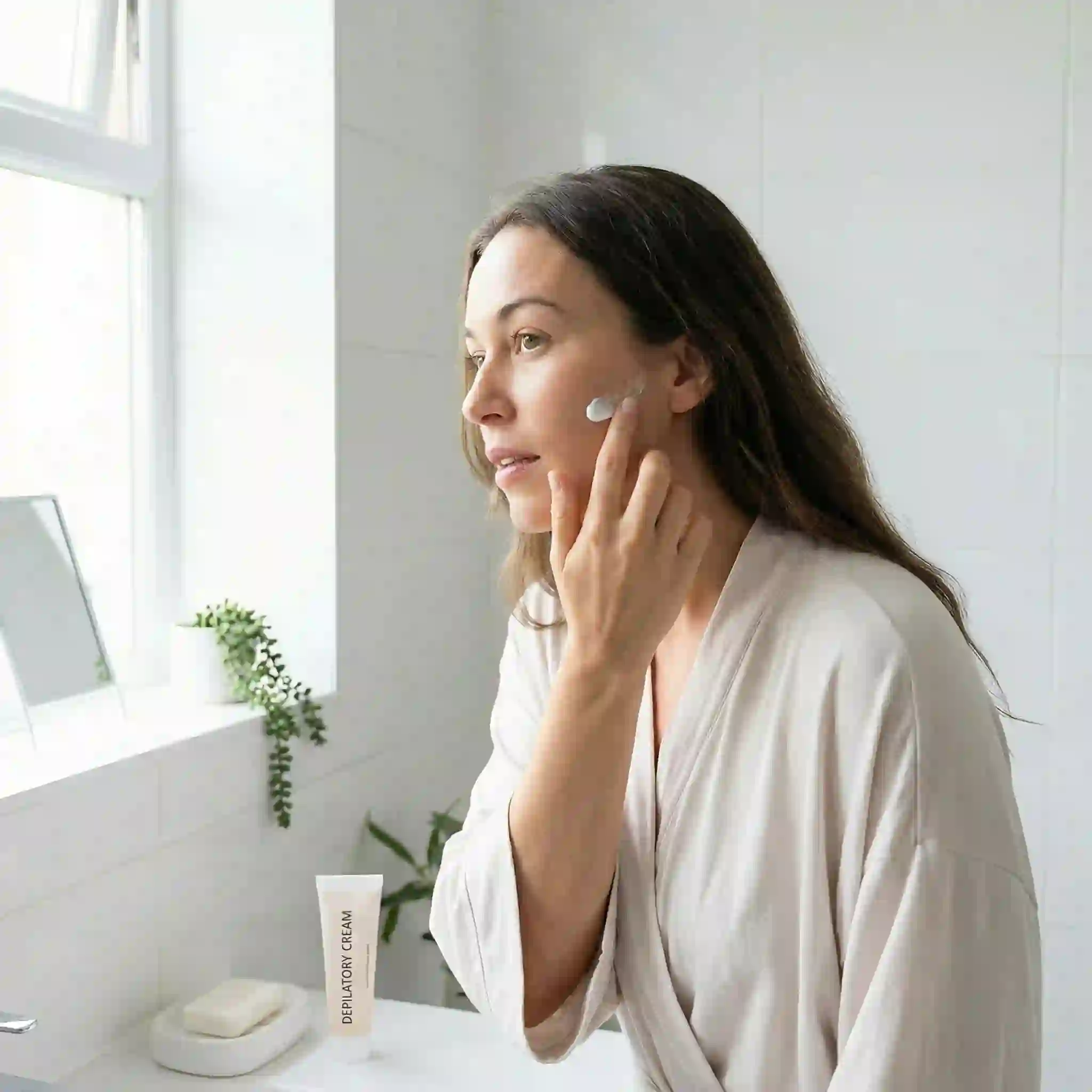
Dermatologists and product manufacturers strongly recommend applying a small amount of the cream to an inconspicuous area of skin, such as behind the ear or on the jawline, 24 to 48 hours before intended use.
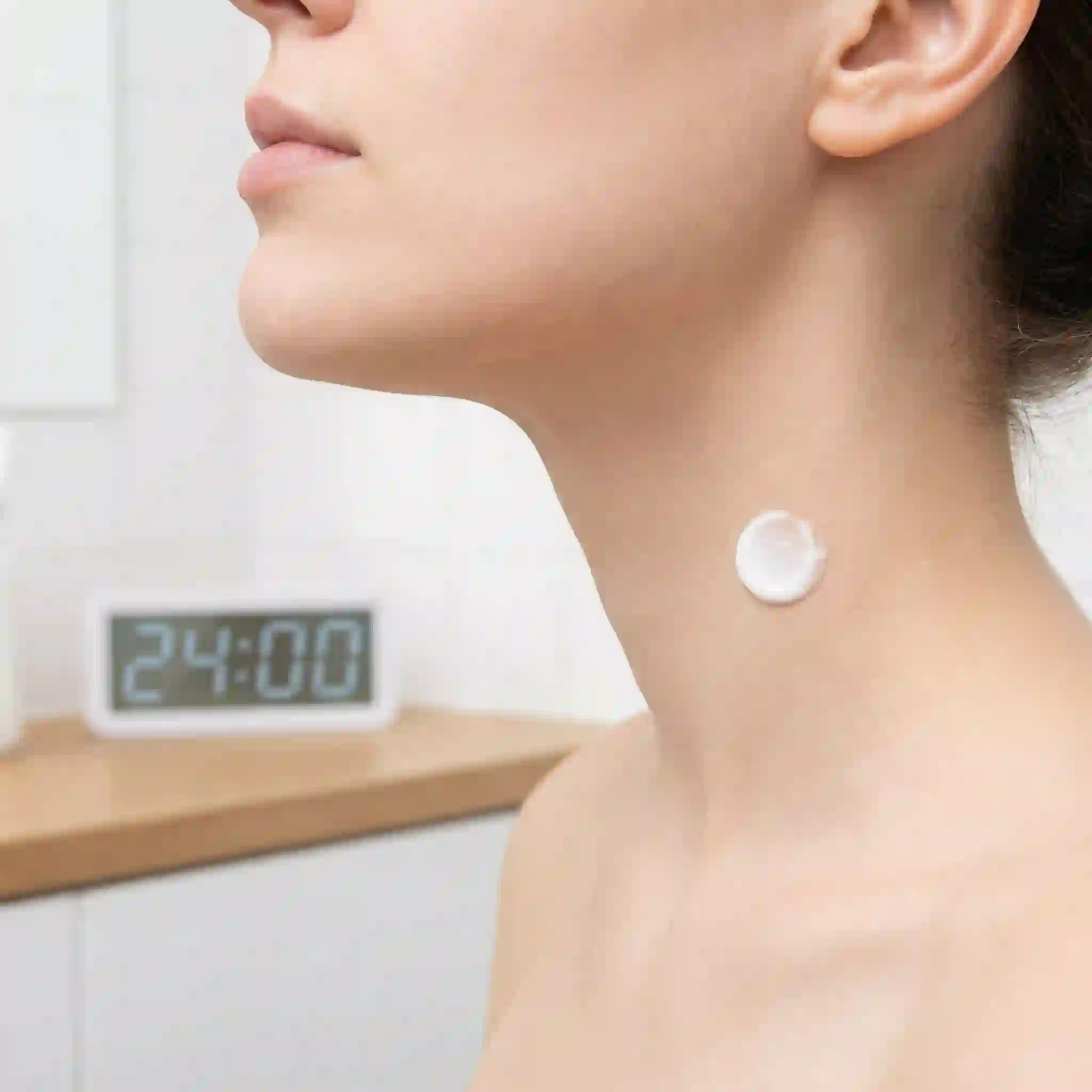
This allows you to check for any signs of redness, itching, burning, or swelling, which would indicate a sensitivity to the product.
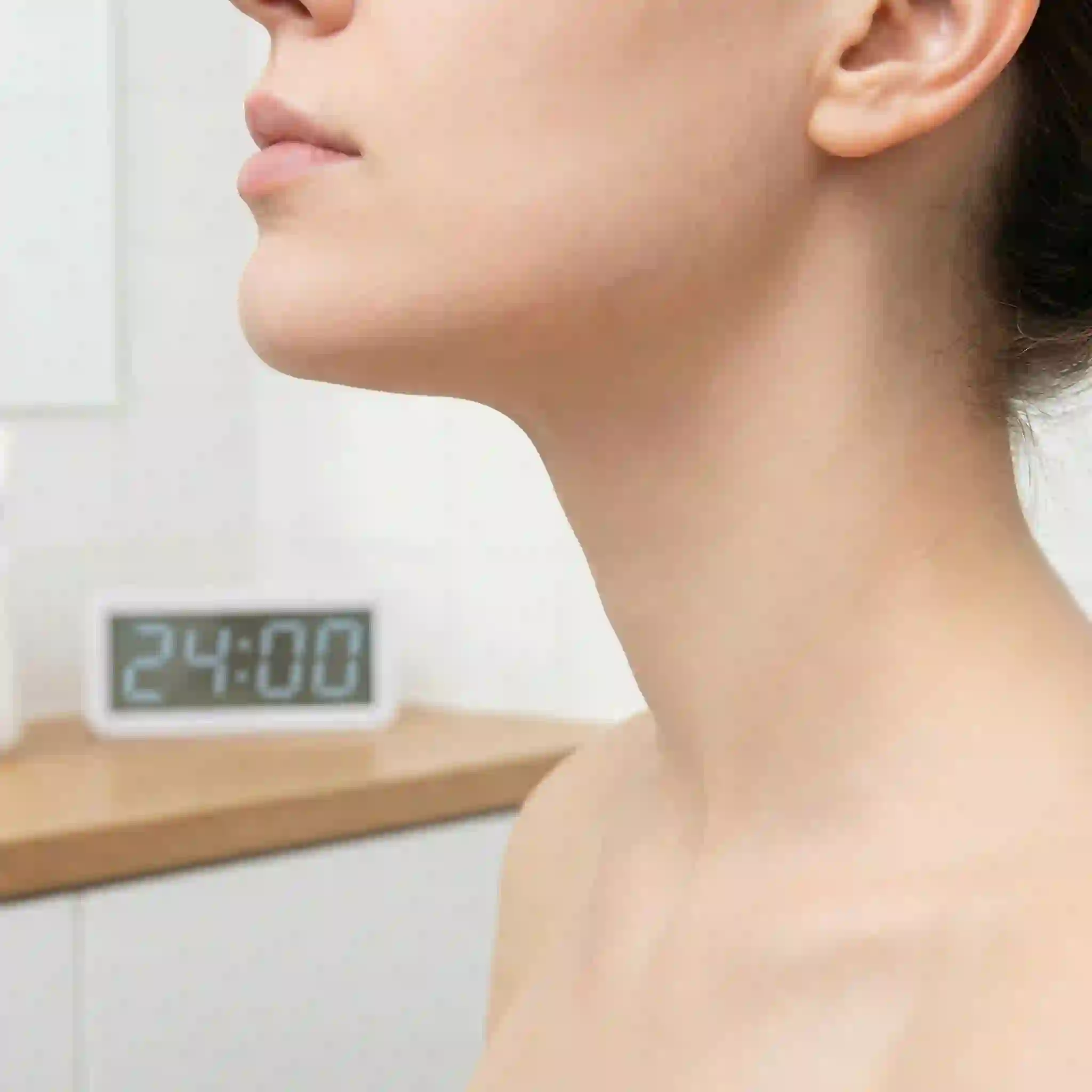
If no adverse reaction occurs, you can proceed with caution. Always ensure your skin is clean and dry before application. Apply a thick, even layer of the cream, completely covering the hair you wish to remove, but avoid rubbing it in.
Adhere strictly to the recommended timing provided in the product instructions, typically between 3 to 10 minutes, and never exceed it. Leaving the cream on for too long can lead to chemical burns. After the specified time, gently remove a small test area with a spatula or damp cloth.
If hair comes away easily, remove the rest of the cream. Rinse the treated area thoroughly with cool water and pat dry. Avoid using harsh soaps, exfoliants, or other irritating products immediately before or after using depilatory creams.
4.3 Top women's facial hair removal creams reviewed
Several facial hair removal creams stand out for their effectiveness and gentle formulations, catering to various skin types. When selecting a product, consider those specifically designed for facial use and sensitive skin.
(1) Flamingo Facial Hair Removal Cream — This cream is praised for its ease of application, thanks to its angled tip that mimics a lip balm tube, allowing for precise targeting of hair without spreading to unwanted areas. Testers found it effectively removed fine peach fuzz in as little as five minutes, with results lasting approximately three weeks. Users noted that makeup applied more seamlessly after use. However, some users reported a strong scent during application and a slight, temporary flushing of the skin post-use. It contains soothing ingredients like urea, bisabolol, and shea butter, making it a good option for many, but patch testing is still advised for sensitive skin.
(2) Nair Hair Remover Moisturizing Face Cream — Nair, a classic in hair removal, offers a moisturizing face cream that remains a popular choice due to its effectiveness on both fine and thick hair. Experts highlight its ability to soften hair for easy removal and its inclusion of sweet almond oil, which helps to nourish the skin and reduce the likelihood of irritation. It typically requires 10 to 15 minutes of processing time. A key consideration is to avoid this product if you are using prescription acne medications like Retin-A, as it can increase skin hypersensitivity. Patch testing is crucial to prevent irritation, especially for those with sensitive skin.
(3) Gigi Sensitive Hair Removal Cream for Face — This cream has gained popularity for its quick action, removing hair within eight minutes, and its ability to leave skin smooth. Its formulation includes cucumber and honey, known for their soothing and reparative properties, which help to prevent irritation. Users have reported that results can last for weeks, and the cream noticeably improves skin softness. While designed for sensitive skin, some users might experience a slight tingling sensation during use. It is recommended to steer clear if even temporary tingling is a concern.
5. Long-Term Solutions: Laser and IPL
5.1 Laser hair removal for women's facial hair: what to expect
While laser hair removal can lead to a substantial and lasting reduction in hair growth, it is important to manage expectations regarding permanence. It is often considered a long-term reduction rather than a complete and permanent removal, with many individuals requiring periodic maintenance sessions to sustain their results.
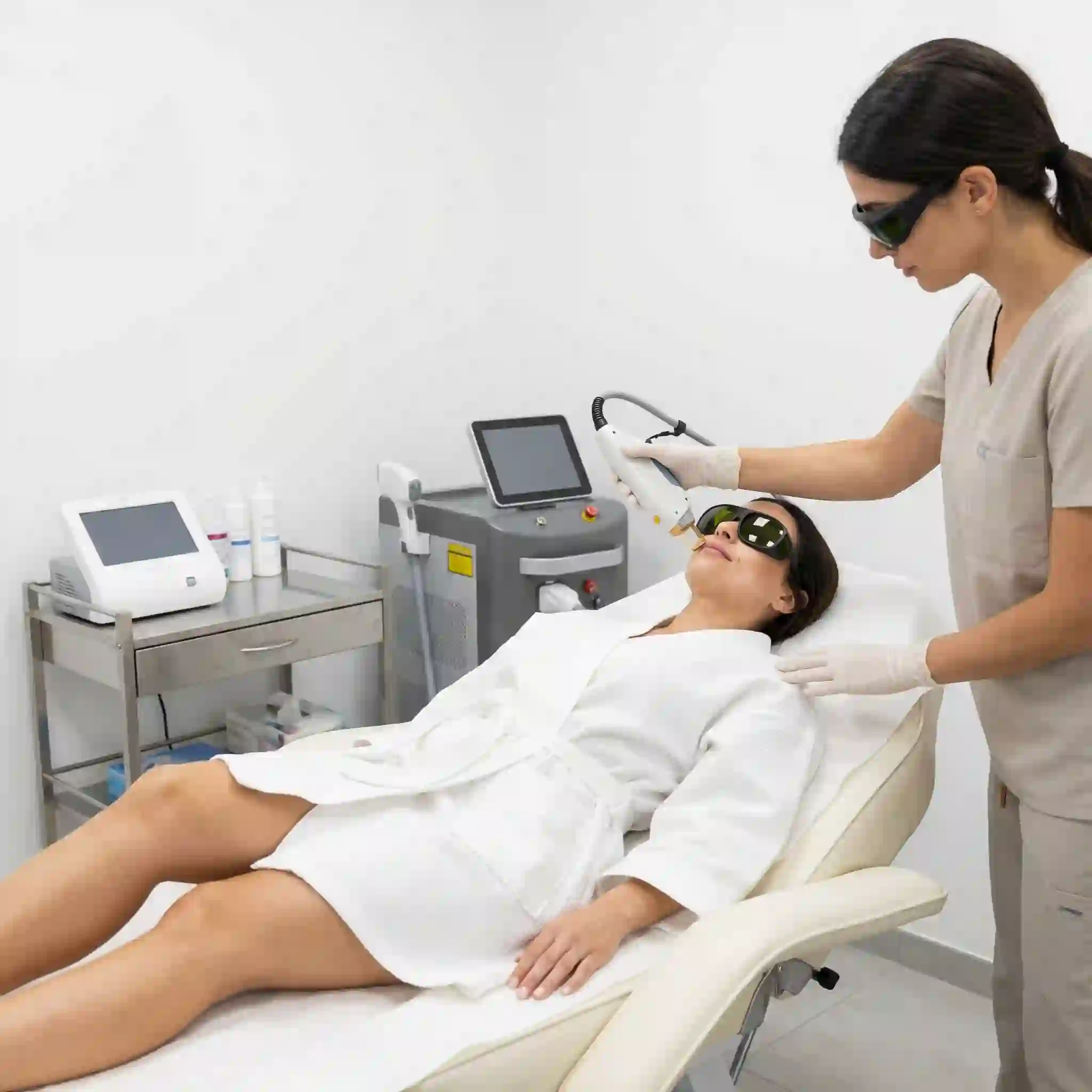
The treatment yields the best outcomes on dark hair against light skin, as the laser's efficacy relies on the contrast between the hair pigment and the surrounding skin.
Women with very light, gray, red, or blonde facial hair may find laser treatments less effective or even unsuitable, as there is insufficient pigment for the laser to target. Potential side effects, though usually temporary, can include redness, swelling, and a sensation of discomfort similar to a sunburn. In rare cases, more significant side effects like blistering or changes in skin pigmentation can occur.
To minimize these risks and ensure optimal results, it is paramount to select a qualified, certified, and experienced practitioner. The financial investment for laser hair removal can be considerable, as it involves a series of treatments, making it a significant commitment for many.
5.2 IPL devices for home use: do they work?
Clinical data suggests that IPL can be effective for facial hair reduction in women. Studies have shown average long-term hair reduction ranging from 52.7% to 27%, with some studies reporting up to 72% reduction after a series of treatments. For instance, one study observed a 52.87% hair reduction on the upper lip and 73.81% on the chin in women after six sessions.

While generally effective, IPL may require more treatment sessions than laser hair removal and is typically less effective on very light or red hair. Consistency in use, as per manufacturer instructions, is key to achieving noticeable results. It is important to note that IPL is generally safe for home use, but proper patch testing and adherence to guidelines are essential to prevent skin irritation.
5.3 Finishing Touch Flawless: what users actually say
The Finishing Touch Flawless facial hair remover is a popular, discreet, and battery-operated device designed for quick and painless removal of peach fuzz and fine facial hair. It operates like a mini electric shaver, using a spinning blade beneath a protective head to gently trim hair at the skin's surface. Many users appreciate its lipstick-like design, making it easy to carry and use for on-the-go touch-ups.

The built-in LED light is often cited as a helpful feature, illuminating fine hairs that might otherwise be missed.
Users frequently praise the Finishing Touch Flawless for its pain-free operation and its ability to provide immediate smoothness, making makeup application easier. It is particularly favored for removing peach fuzz from the upper lip, chin, and cheeks. However, common criticisms include the temporary nature of the results, with hair often growing back quickly, similar to traditional shaving.
Some users also report issues with the device's durability, noting that it can stop working after a few uses. While it is effective for fine hair, it may not be as efficient for coarser or thicker facial hair. Overall, it is considered a good option for quick, painless removal of fine facial hair, especially for those seeking a gentle alternative to waxing or plucking, but it is not a long-term hair reduction solution.
6. Aftercare for Sensitive Skin
6.1 What to do right after removing facial hair
Proper aftercare is crucial for maintaining healthy skin, especially after facial hair removal, which can leave the skin vulnerable and sensitive. Immediately after removing facial hair, whether by shaving, waxing, threading, or using depilatory creams, the skin may appear red, feel tender, or be slightly irritated. The first step is to gently cleanse the area with cool water to remove any residual product or stray hairs.

Avoid hot water, as it can further irritate already sensitive skin. Pat the skin dry with a clean, soft towel, rather than rubbing, to prevent additional friction and irritation.

Following cleansing, it is important to apply a soothing and hydrating product. Look for formulations that are fragrance-free and designed for sensitive skin. Ingredients like aloe vera, chamomile, and hyaluronic acid can help calm redness and replenish moisture.
Avoid products containing alcohol, harsh exfoliants, or active ingredients like retinoids or alpha hydroxy acids immediately after hair removal, as these can exacerbate irritation. Keeping the skin moisturized helps to restore its natural barrier and promotes healing.
6.2 Products that soothe and protect sensitive skin
Selecting the right products for aftercare can significantly reduce post-hair removal discomfort and prevent common issues like ingrown hairs or breakouts. Gentle, non-comedogenic moisturizers are essential to keep the skin hydrated without clogging pores. Products containing ceramides can help strengthen the skin's barrier function, making it more resilient.
For persistent redness or inflammation, a mild hydrocortisone cream can be used sparingly, but it is best to consult with a dermatologist for prolonged use.
Antiseptic solutions, such as witch hazel, can be applied to help prevent bacterial growth and reduce inflammation, particularly after methods that remove hair from the root. For those prone to ingrown hairs, gentle exfoliating products containing salicylic acid can be introduced a day or two after hair removal, once the initial irritation has subsided. Always choose products specifically formulated for facial use to ensure they are appropriate for the delicate skin on the face.
Sun protection is also vital; apply a broad-spectrum sunscreen with an SPF of 30 or higher to the treated area, as freshly removed skin is more susceptible to sun damage.
6.3 Natural options for gentle hair removal
For women seeking alternatives to conventional hair removal methods, several natural options can be considered, particularly for those with extremely sensitive skin or a preference for chemical-free approaches.
While these methods may not offer the same level of efficacy or speed as commercial products, they can be gentle and effective for managing fine facial hair. Sugaring, for instance, is an ancient technique that uses a paste made from sugar, lemon, and water to remove hair from the root.
It is often considered less irritating than waxing because the sugar paste adheres only to the hair and dead skin cells, not to live skin.
Another natural approach involves using turmeric paste, which some believe can help reduce hair growth over time, though scientific evidence is limited. Applying a paste of chickpea flour, milk, and turmeric can also act as a gentle exfoliant and help remove fine facial hair. While these natural remedies are generally safe, it is still advisable to perform a patch test to ensure no allergic reactions occur.
The key to success with natural methods often lies in consistent and patient application, as results may be more gradual compared to other hair removal techniques.
7. In the end
Navigating the world of women's facial hair removal can be complex, but understanding the various methods available empowers you to make informed choices tailored to your unique needs. For quick and convenient hair removal, shaving offers immediate results, particularly for fine vellus hair, and the myth of thicker regrowth has been thoroughly debunked. For precision and longer-lasting results on smaller areas, tweezing and threading are excellent choices.
If you seek smoothness that lasts for weeks, waxing can be effective, though it requires careful application and aftercare. For those desiring a more long-term reduction in facial hair, laser hair removal and IPL devices present viable options, with clinical data supporting their efficacy, especially for darker hair types.
When it comes to products, depilatory creams provide a pain-free chemical solution, but always prioritize patch testing and adherence to instructions to protect sensitive facial skin. Regardless of your chosen method, diligent aftercare with soothing, hydrating, and fragrance-free products is essential to maintain skin health and comfort.
To explore an extensive range of facial hair removal products, tools, and expert advice, visit beardremover.com today and discover the perfect solution for your skin and hair type.