
Physical Beard Removal Methods: What Actually Works and How to Choose the Right One
For many men, the daily ritual of shaving is fraught with frustration. The sharp glint of a razor often promises a smooth finish but frequently delivers a host of unwelcome consequences, including persistent skin irritation, painful ingrown hairs, and the rapid reappearance of stubble. This routine can become a tiresome battle against discomfort and an endless cycle of regrowth.
Furthermore, navigating the myriad of available hair removal options—from creams and waxes to more natural approaches—can be overwhelming, leaving individuals unsure of which method is truly best suited for their unique skin and beard type. Those with sensitive skin often struggle to find a gentle yet effective solution, while men with thick or coarse beards find that standard methods fall short of providing a lasting, clean result. This article delves into the diverse world of physical beard removal, exploring effective alternatives to traditional shaving and guiding you toward a method that aligns with your specific needs and preferences.
1. Why Shaving Alone Isn't Enough
1.1 The real problems with daily shaving
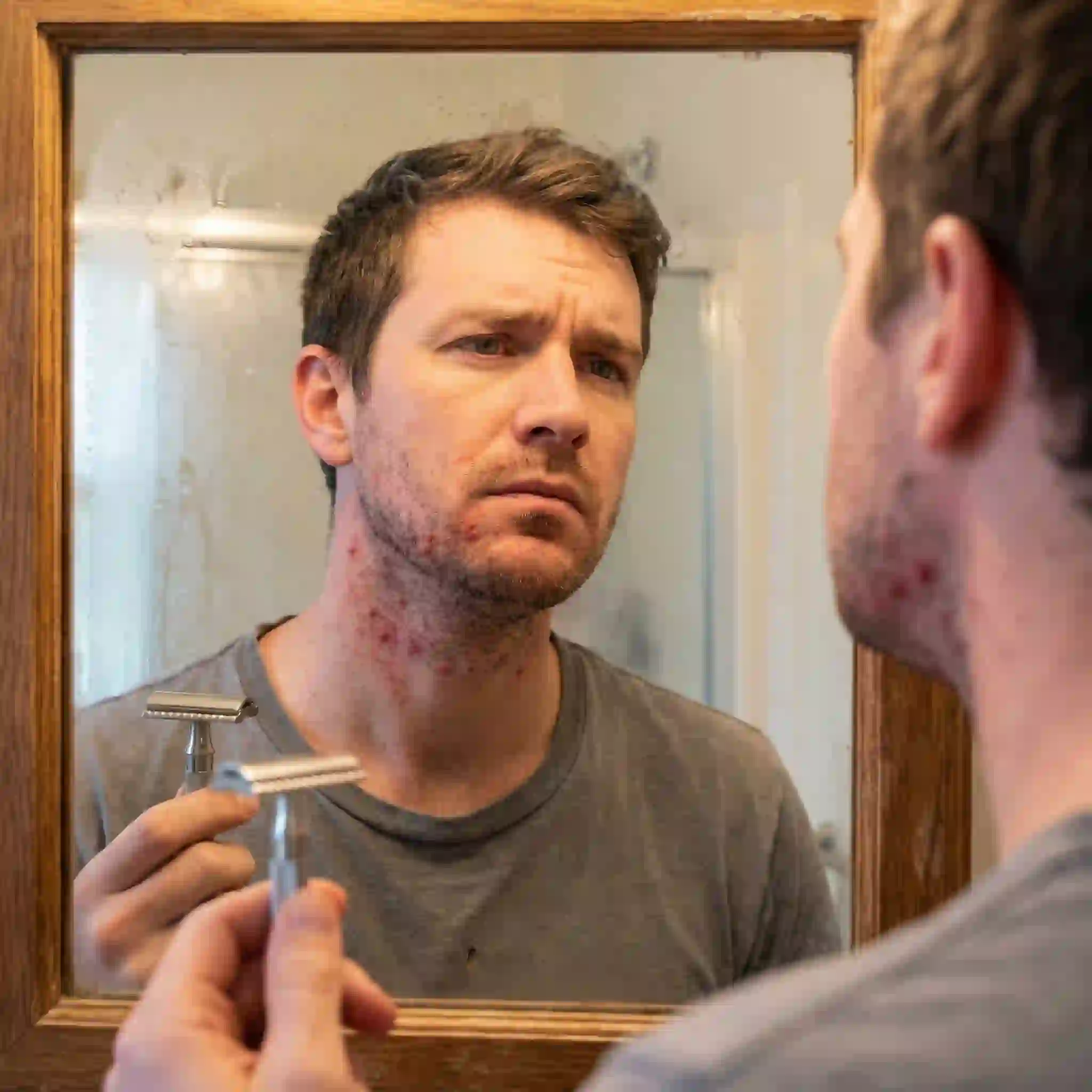
Daily shaving, while a common practice, often leads to a range of dermatological issues that extend beyond mere inconvenience. One of the most prevalent concerns is razor burn, a condition characterized by redness, tenderness, and a stinging sensation on the skin. This irritation often arises from improper shaving techniques, such as dry shaving or using dull blades, which can abrade the skin's surface.
Ingrown hairs, medically known as pseudofolliculitis barbae (PFB), represent another significant problem. These occur when hair, after being cut, curls back into the skin, leading to inflamed bumps and sometimes infection. PFB is particularly common in men with curly hair, with studies indicating a high prevalence in certain populations.
For instance, reports suggest that between 45% and 83% of black men in the US military, where a clean-shaven policy is enforced, experience PFB. This condition can cause considerable discomfort, itching, and even lead to post-inflammatory hyperpigmentation, especially in individuals with darker skin tones.
1.2 Why men are looking for alternatives to the razor
The persistent issues associated with daily shaving have prompted many men to seek alternative hair removal solutions. The desire for a smoother, longer-lasting result without the constant battle against razor burn and ingrown hairs is a primary motivator. Traditional shaving only cuts hair at the skin's surface, meaning regrowth is visible within a day or two.
This rapid return of stubble necessitates frequent shaving, perpetuating the cycle of potential irritation. Furthermore, the aesthetic impact of shaving-related skin problems, such as redness, bumps, and discoloration, can affect self-confidence. Men are increasingly looking for methods that offer a cleaner finish, reduce skin sensitivity, and provide a more enduring solution to unwanted facial hair, moving beyond the limitations of the conventional razor.
1.3 What "physical" beard removal actually means
Physical beard removal encompasses methods that directly remove hair from the skin, either by cutting it at the surface, dissolving it chemically, or pulling it from the follicle. Unlike methods that target hair growth at the root through light or energy, physical methods involve a direct interaction with the hair shaft itself. This category includes familiar techniques like shaving, which severs the hair just above the skin.
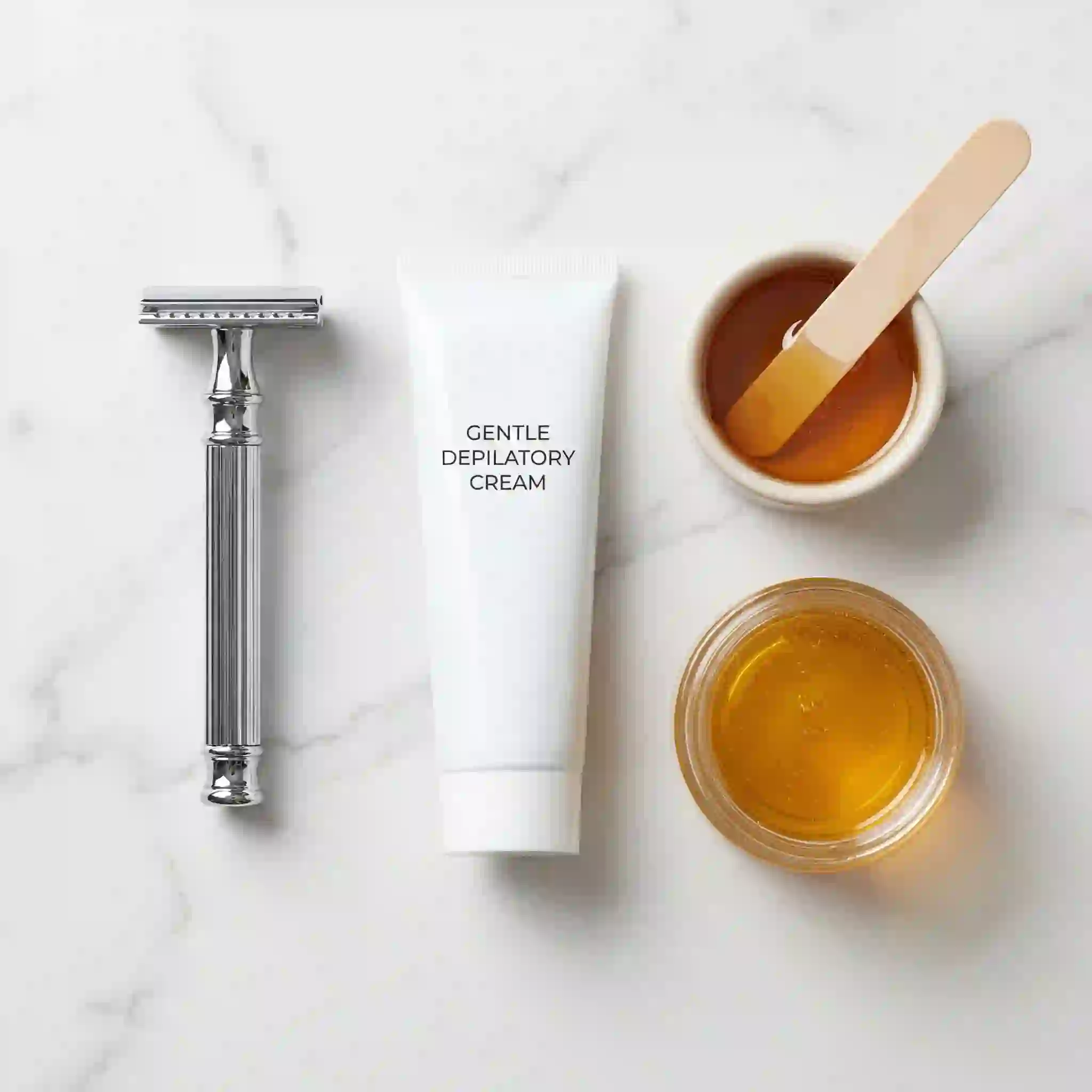
It also extends to depilatory creams, which use chemical agents to break down the hair's protein structure, allowing it to be wiped away. Furthermore, physical removal includes methods like waxing and sugaring, which extract hair from the follicle, providing a longer period of smoothness. Understanding these distinctions is crucial for choosing a method that aligns with individual preferences for effectiveness, duration, and skin impact.
2. Beard Removal Cream: Does It Work?
2.1 How depilatory creams for facial hair work
Depilatory creams offer a distinct approach to facial hair removal, operating on a chemical principle rather than mechanical cutting. These creams contain active ingredients, primarily thioglycolic acid salts such as potassium and calcium thioglycolates. When applied to the skin, these chemicals work by breaking down the disulfide bonds within the keratin protein structure of the hair shaft.
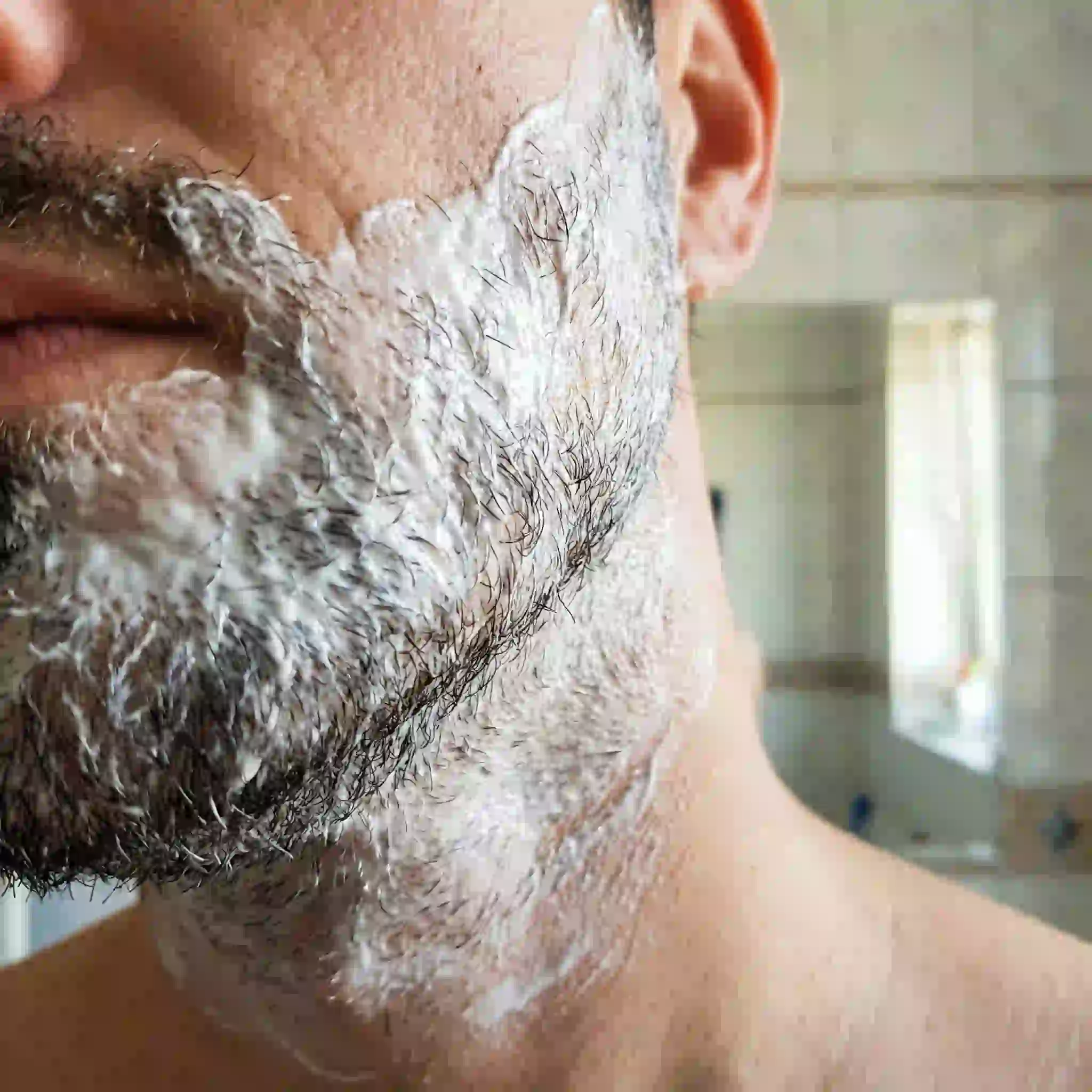
This process effectively weakens the hair, turning it into a jelly-like consistency that can then be easily wiped away from the skin's surface. The key advantage of this method is that it removes hair just below the skin level, rather than cutting it at the surface, which can result in a smoother feel and a slightly longer period before regrowth becomes noticeable. These creams are formulated for various body parts, with specific versions designed to be gentle enough for sensitive facial skin.
2.2 Beard removal cream vs. razors: a real comparison
When comparing beard removal creams to traditional razors, several key differences emerge, particularly concerning regrowth speed, skin irritation, and overall user satisfaction. While both methods remove hair at or just below the skin's surface, depilatory creams generally offer a slightly longer period of smoothness. Hair removed by cream typically shows regrowth within three to seven days, whereas shaved hair can become noticeable within one to three days.
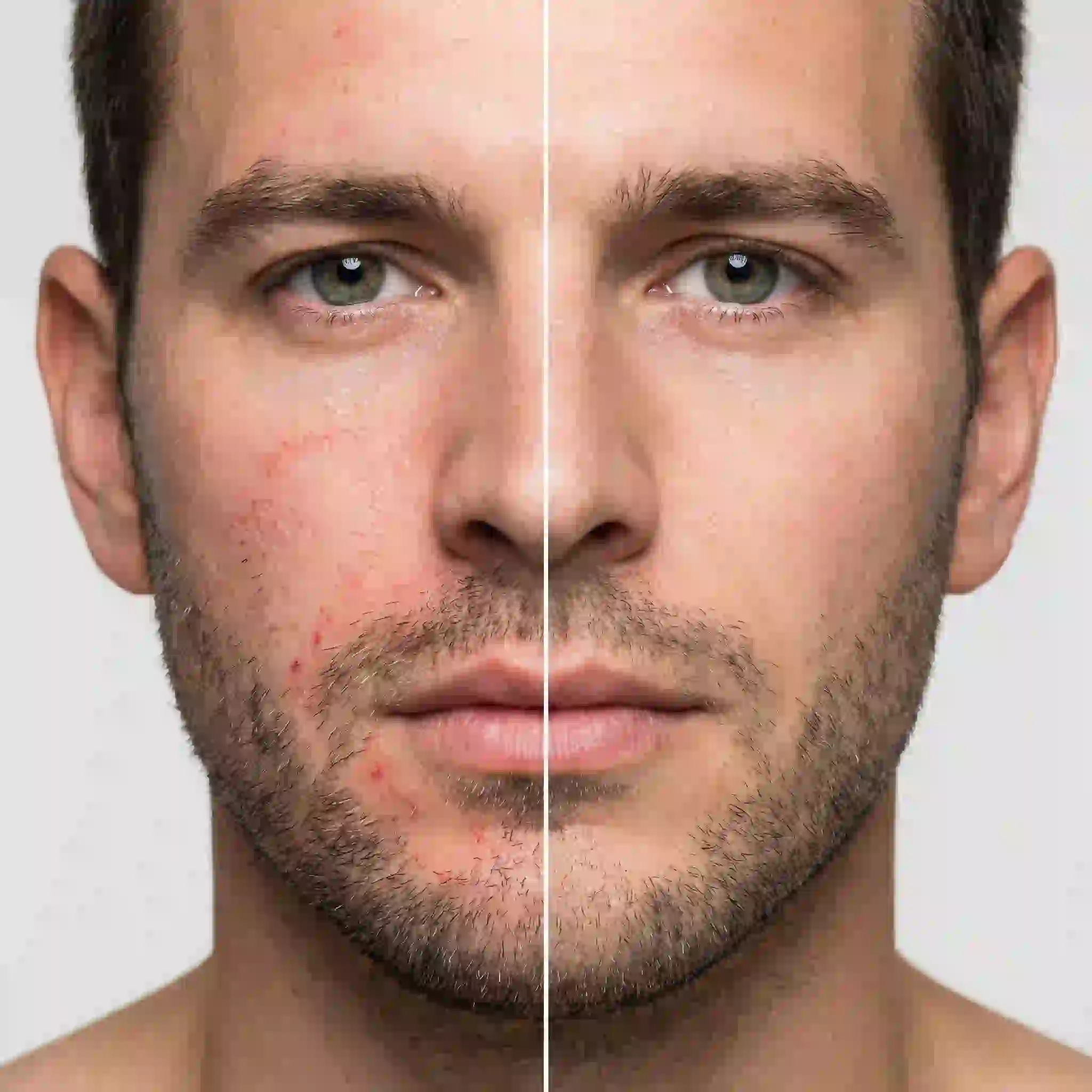
This is because depilatory creams dissolve the hair slightly beneath the skin, creating a softer, tapered hair tip as it regrows, unlike the blunt, sharp edge left by a razor. In terms of skin irritation, depilatory creams often cause fewer nicks, cuts, or razor burn compared to shaving. The chemical action, while potentially irritating for some, tends to result in fewer physical lesions.
However, depilatory creams can cause chemical burns if left on for too long, and some individuals may experience skin sensitivity or hyperpigmentation. User satisfaction often hinges on individual skin sensitivity and preference for convenience versus potential chemical exposure. Many find creams easier to use with no learning curve, while others prefer the immediate and controlled results of a razor.
2.3 How to choose the best men's hair removal cream for your face
Selecting the ideal men's hair removal cream for your face, especially if you have sensitive skin, requires careful consideration. The primary factor is to choose a product specifically formulated for facial use, as these are typically milder than body creams. For sensitive skin, look for creams explicitly labeled as suitable for sensitive skin.
Always perform a patch test on a small, inconspicuous area of your face at least 24 hours before full application to check for any adverse reactions. Pay close attention to the recommended application time, as leaving the cream on for too long can lead to chemical burns or irritation. Ingredients like aloe vera or chamomile can indicate a more soothing formulation.
It's also important to consider the texture and ease of application; some creams are thicker and designed for precise application, which can be beneficial for facial hair. Ultimately, the best facial hair remover for sensitive skin will be one that effectively removes hair without causing redness, burning, or discomfort, and this often requires a process of trial and error to find the perfect match.
Mastering the use of hair removal products is a journey of trial and error, but it doesn't have to be painful. By understanding the common pitfalls that many men encounter during their first attempt, you can ensure a successful, irritation-free experience while achieving the perfectly smooth look you desire.
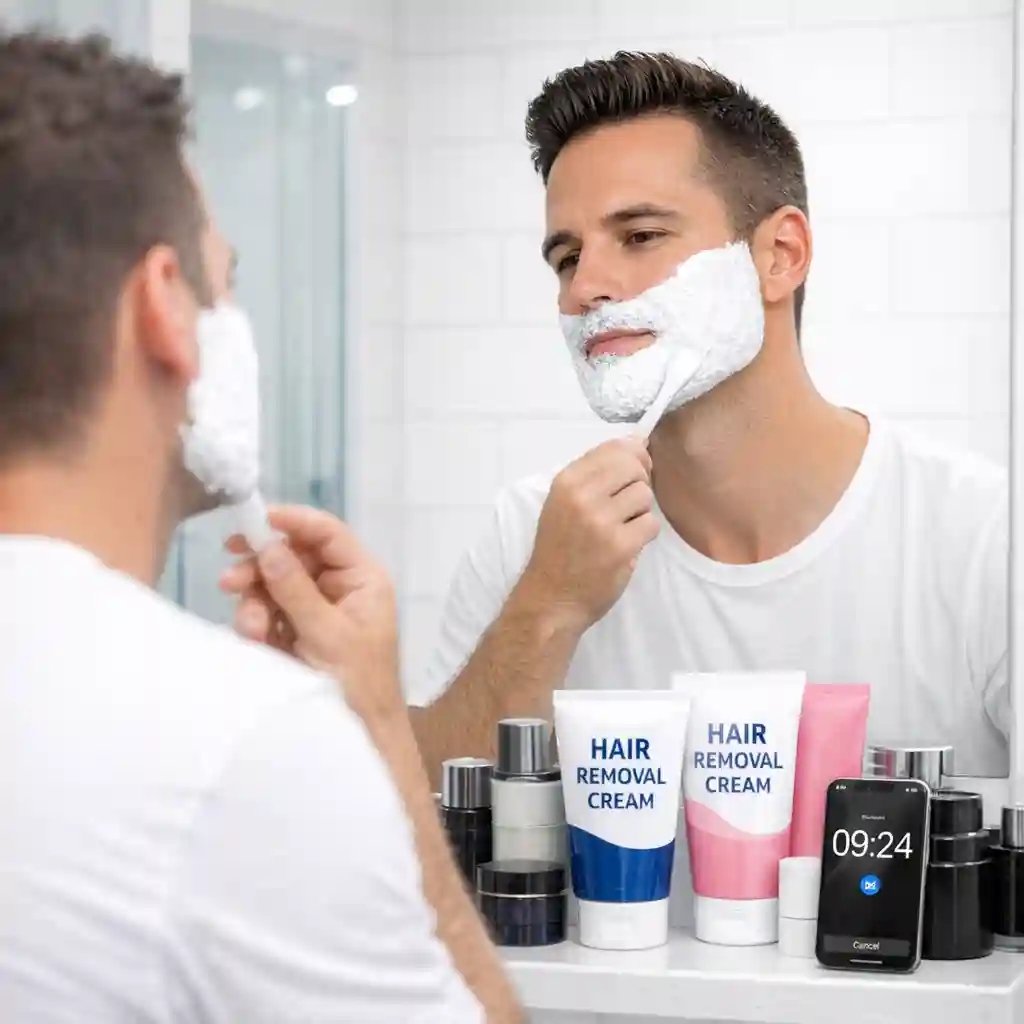
For men seeking a comprehensive understanding of their options, the choice between beard removal cream and traditional razors is a significant one. Each method presents a unique set of advantages and disadvantages concerning skin health, hair regrowth, and overall convenience. While shaving offers immediate results, it often comes with the trade-offs of razor burn and ingrown hairs.
Depilatory creams, on the other hand, provide a smoother finish and can delay regrowth, but require careful application to avoid chemical irritation. Understanding the nuances of each method, including their impact on different skin types and hair textures, is crucial for making an informed decision that aligns with your grooming goals and skin sensitivity. Exploring detailed comparisons and user experiences can further illuminate which option might be the best fit for your daily routine.
The paper compares beard removal creams and razors, explains the science, usage methods and top products of creams to help men get rid of shaving troubles.
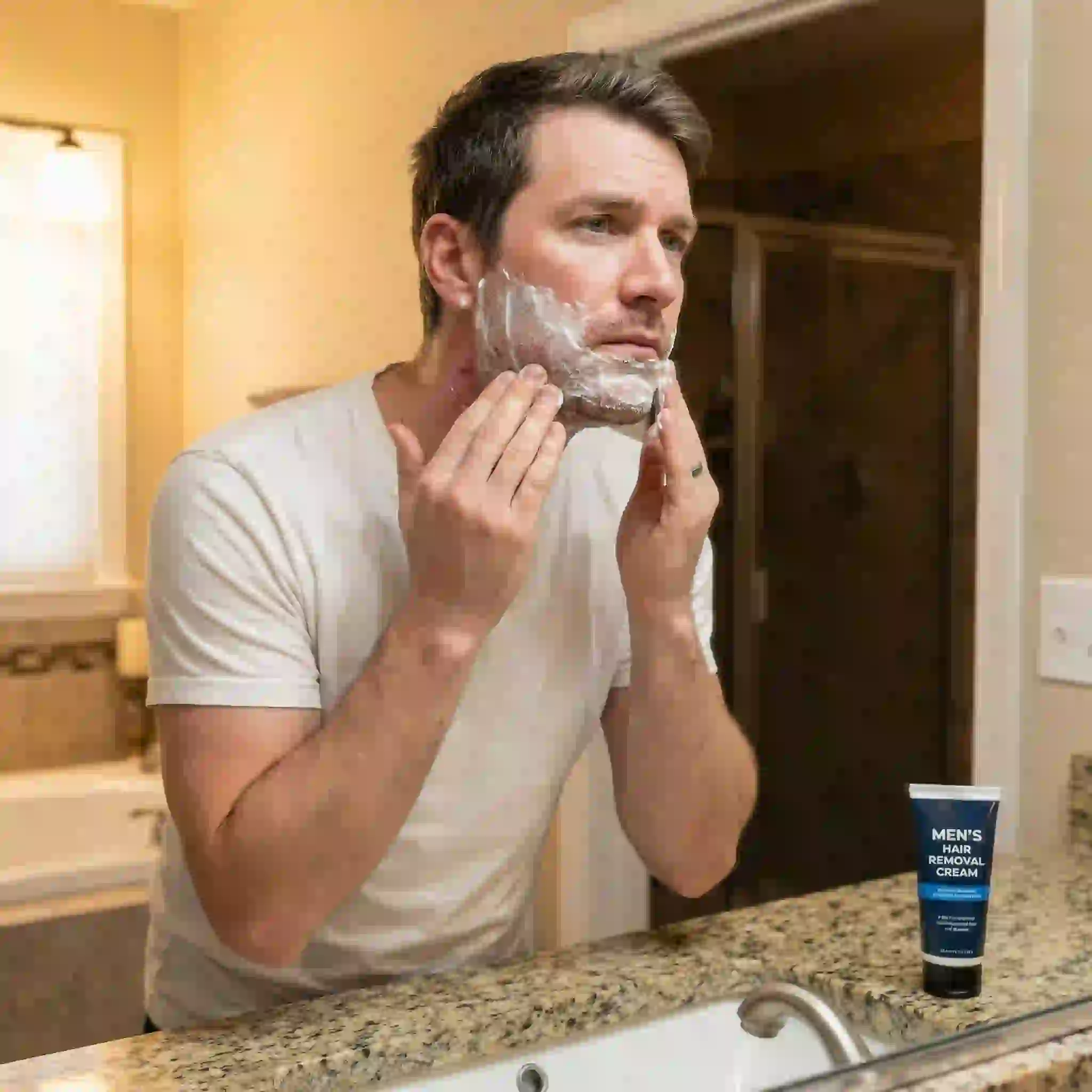
Compares beard removal creams and razors, explains the science, usage methods and top products of creams to help men get rid of shaving troubles.
For those new to the world of beard removal creams or looking to optimize their current routine, a deeper dive into the subject is highly recommended. These products offer a convenient and often less irritating alternative to traditional shaving, but their effective use depends on understanding their chemical action, proper application techniques, and potential side effects. From selecting the right formulation for your skin type to mastering the art of the patch test and post-removal care, comprehensive guidance can transform your experience.
Learning about the various ingredients, how they interact with facial hair, and what to expect in terms of regrowth and skin sensation will empower you to achieve a smooth, comfortable, and irritation-free result. This knowledge is essential for anyone considering integrating beard removal creams into their grooming regimen.
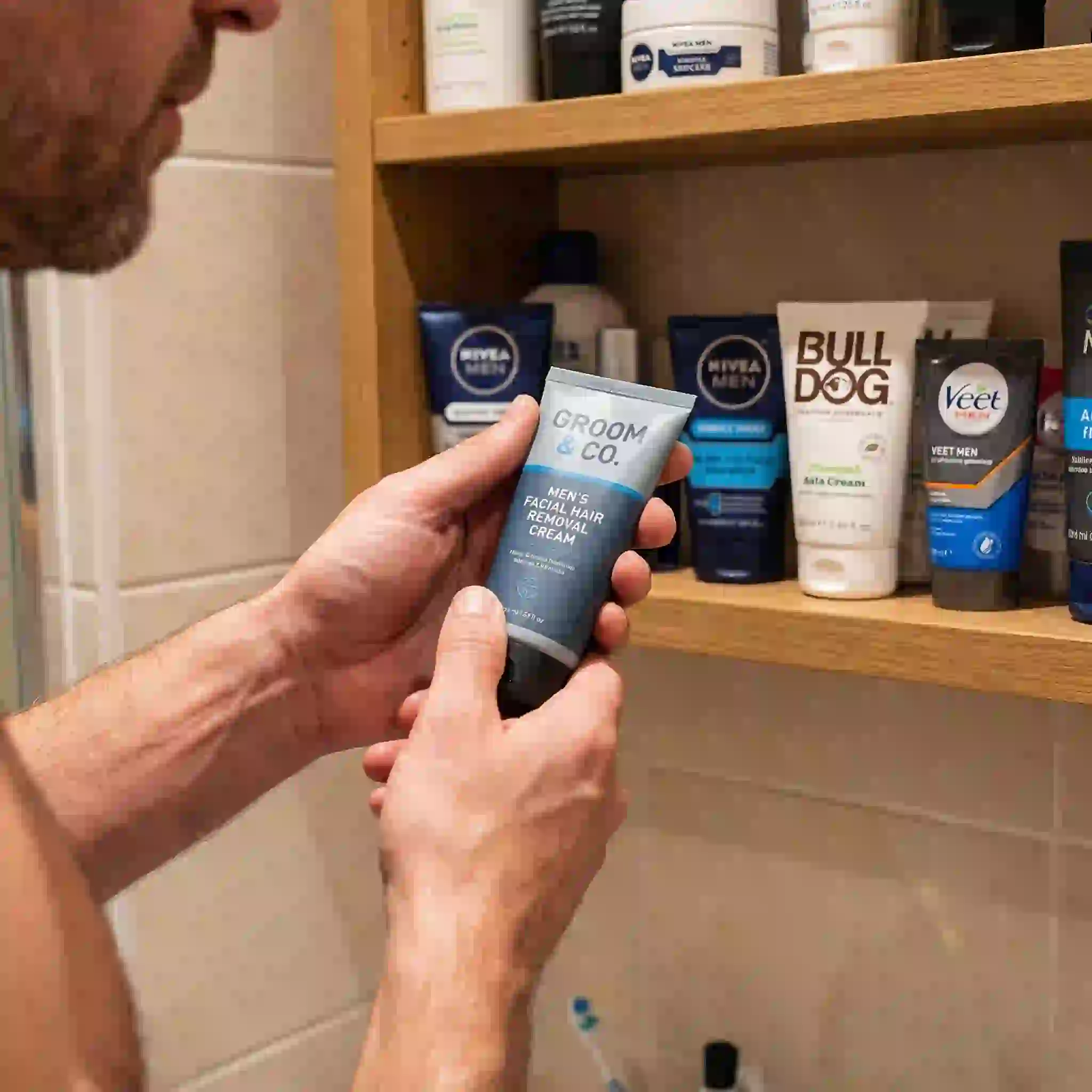
More details of advantages, ingredients, selection tips and safe usage steps of men's beard removal cream, offering a comprehensive guide to shaving alternatives.
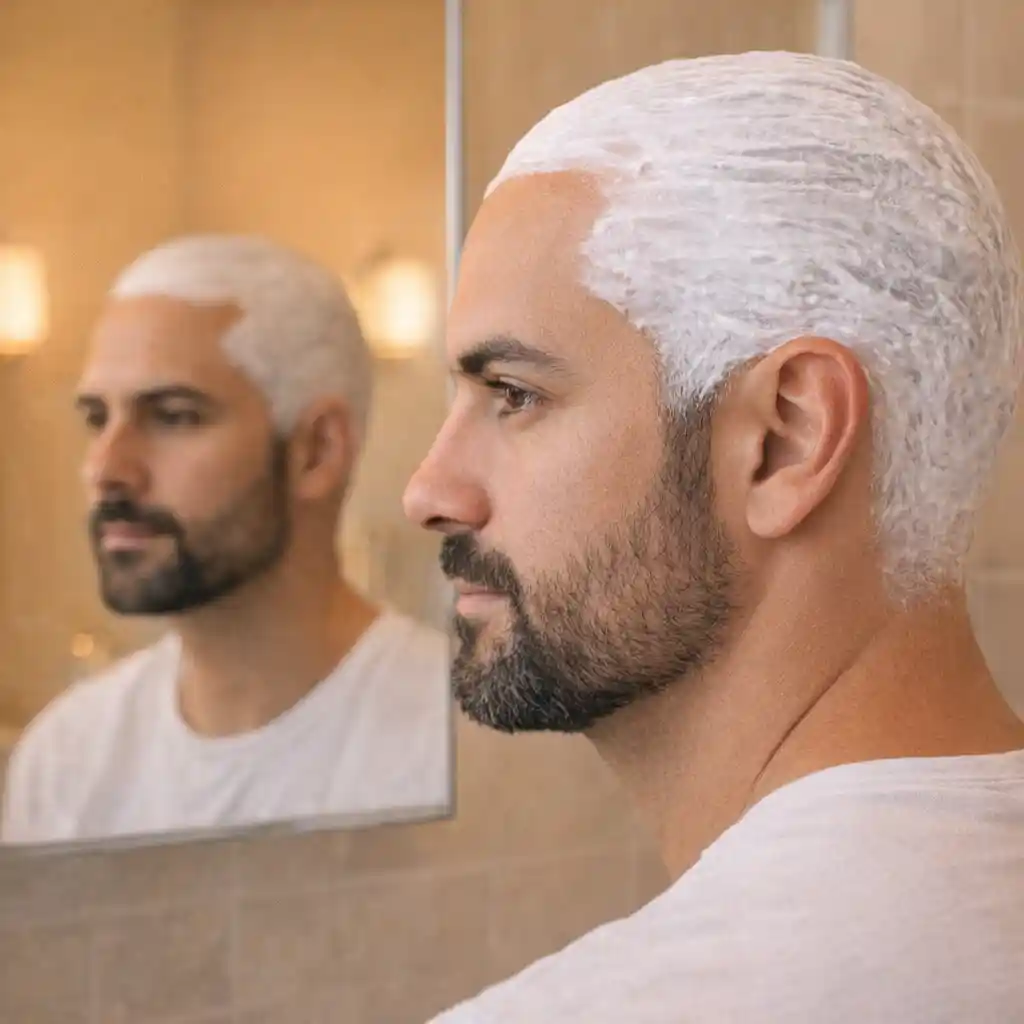
Beyond facial grooming, many men are discovering that depilatory creams are a game-changer for maintaining a perfectly smooth scalp. If you're tired of the constant nicks and irritation from head shaving, transitioning to a specialized cream can provide a painless, longer-lasting alternative that keeps your bald head looking its best with minimal effort.
3. Waxing, Sugaring, and Other Physical Methods
3.1 Beard waxing for men: how it works and what to expect
Beard waxing for men involves applying a warm wax to the facial hair and then quickly removing it, pulling the hair directly from the follicle. This method offers a significantly longer period of smoothness compared to shaving or depilatory creams, typically lasting several weeks. The process can be intense, especially for coarse beard hair, and many men report initial discomfort or pain.
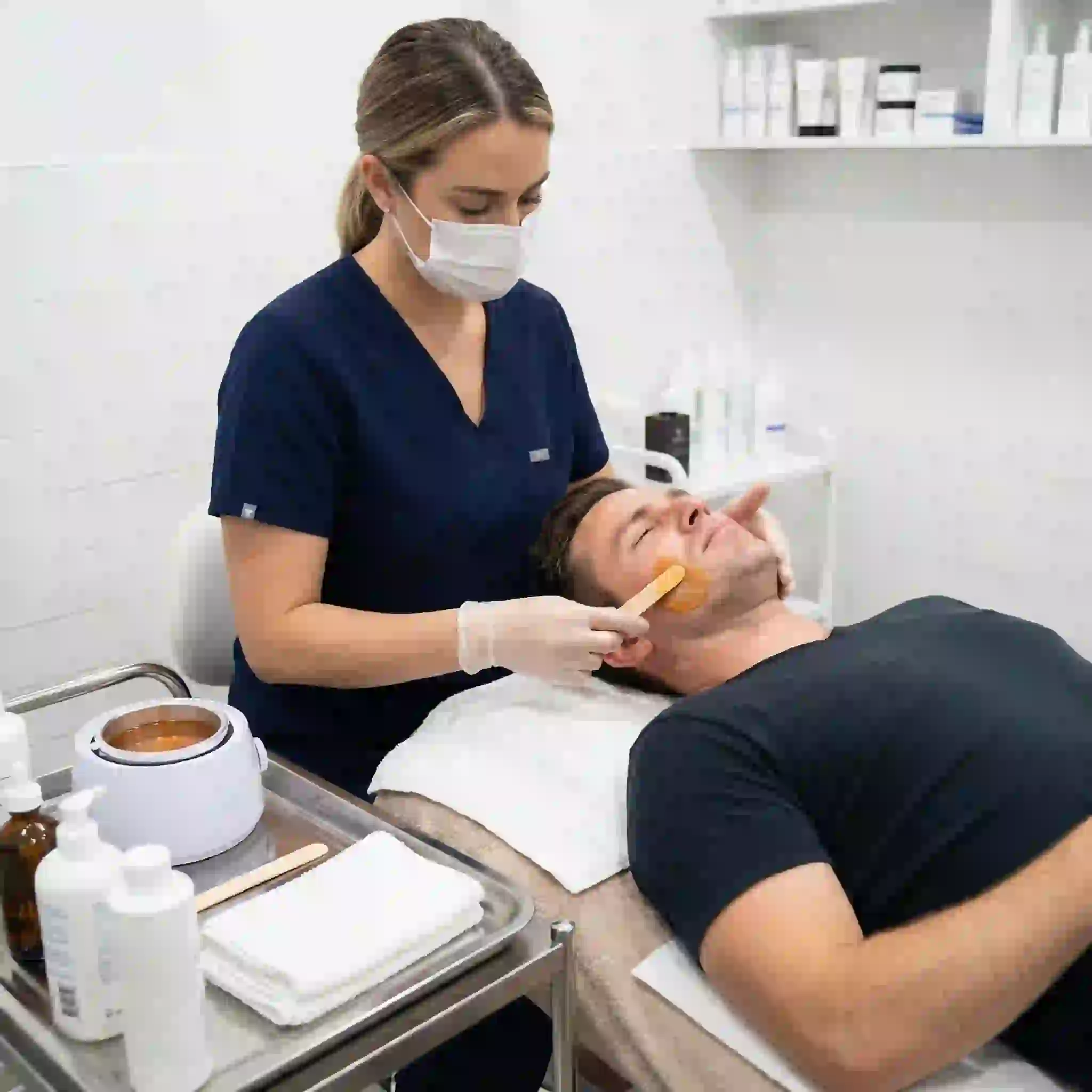
However, with consistent waxing, the hair often grows back finer and sparser, and the pain can diminish over time. Preparation is key: the skin should be clean and dry, and the hair should be a certain length (usually about a quarter of an inch) for the wax to adhere effectively. Post-waxing care is crucial to prevent ingrown hairs and soothe the skin, often involving exfoliating and moisturizing.
For instance, one user shared their experience after years of shaving, noting that while the first few waxing sessions were challenging, the subsequent regrowth was noticeably softer and less dense, leading to a more satisfying long-term result. This transformation highlights the potential for waxing to alter hair growth patterns over time, offering a more permanent-feeling solution than daily shaving.
While the idea of long-term smoothness is appealing, many men hesitate due to uncertainty about the process or where to find reliable professionals. Transitioning from a daily razor to a specialized service requires the right information to avoid common pitfalls and skin irritation. Exploring a dedicated guide tailored for 2026 will bridge the gap between curiosity and confidence.
3.2 Sugaring facial hair removal: the natural alternative
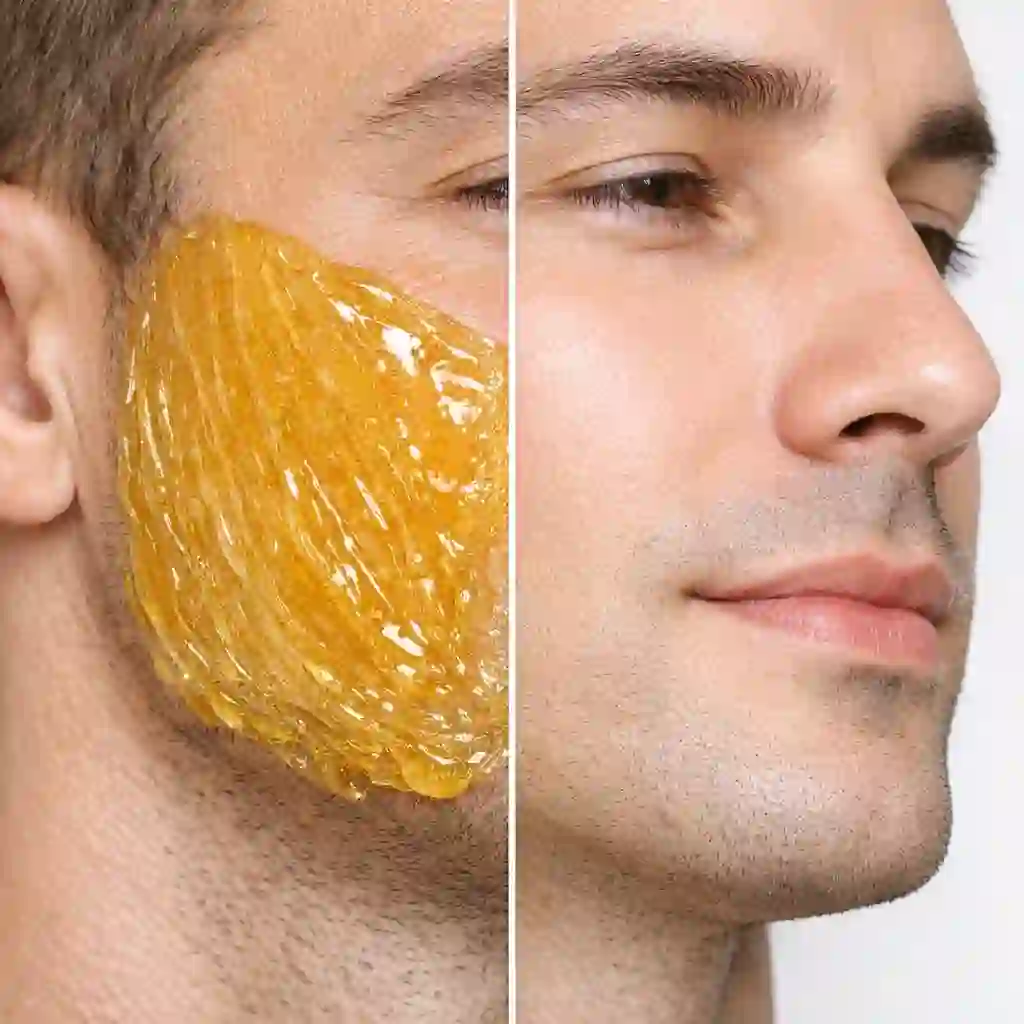
Sugaring is an ancient hair removal technique that has gained popularity as a natural and often gentler alternative to waxing, particularly for facial hair. The paste, typically made from sugar, lemon juice, and water, is applied to the skin and then removed, taking the hair with it. Unlike waxing, sugaring paste adheres only to the hair and dead skin cells, minimizing irritation to the live skin.

This makes it a preferred option for individuals with sensitive skin or those prone to ingrown hairs. The sugaring technique involves applying the paste against the direction of hair growth and removing it in the direction of hair growth, which can further reduce hair breakage and ingrown hairs. Many proponents of sugaring also highlight its exfoliating benefits, leaving the skin feeling soft and smooth.
While it can still cause some discomfort, especially during initial sessions, many find it less painful than waxing, and the all-natural ingredients appeal to those seeking chemical-free grooming solutions.
3.3 Facial hair removal machines: IPL and electric epilators
Beyond creams and waxes, technological advancements have introduced facial hair removal machines, primarily in the form of Intense Pulsed Light (IPL) devices and electric epilators. IPL devices work by emitting broad-spectrum light that targets the melanin in the hair follicle, heating it and inhibiting future hair growth. While not a permanent solution like professional laser hair removal, at-home IPL devices can significantly reduce hair density and slow regrowth over time.
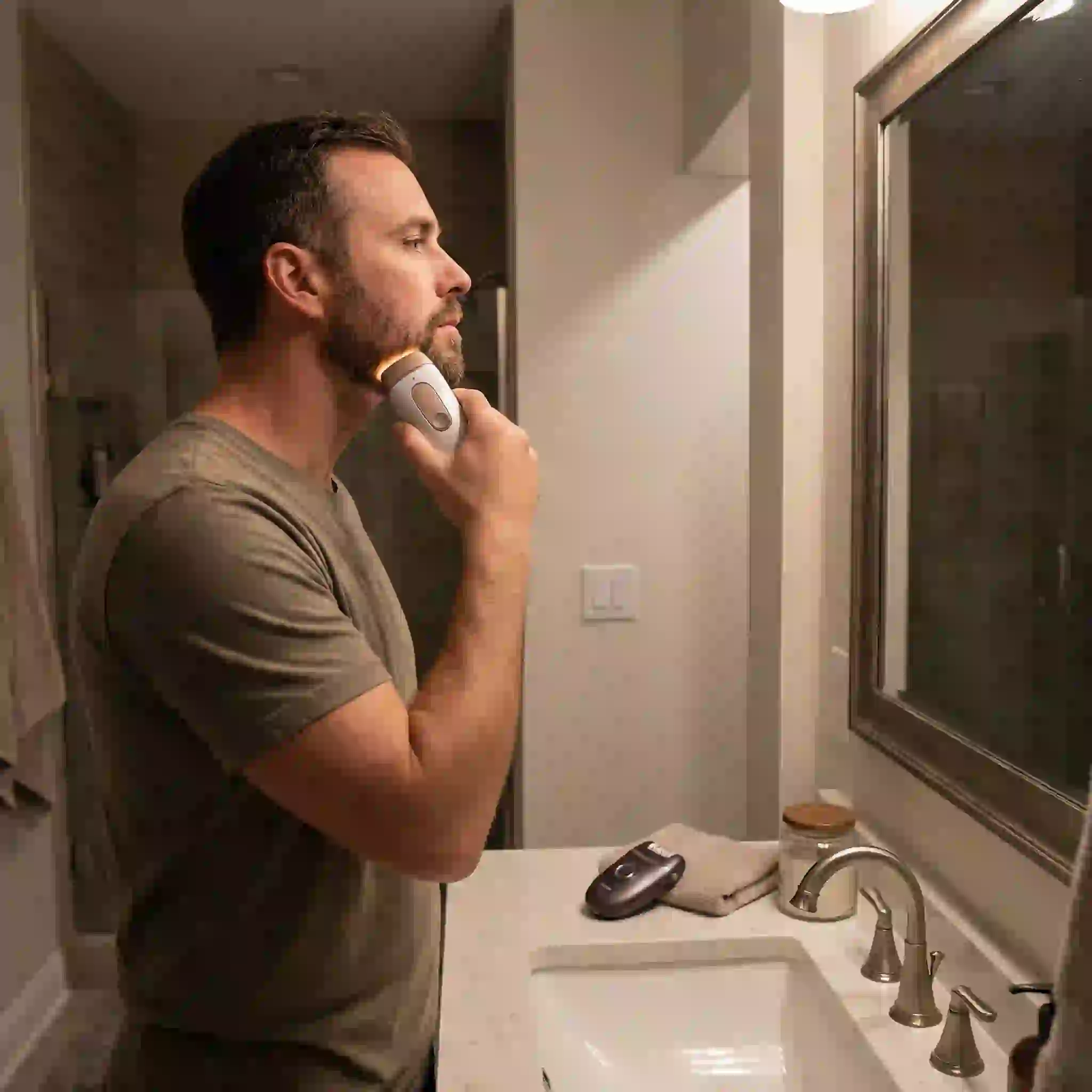
They are generally considered safe for facial use, but require consistent application and are most effective on darker hair against lighter skin tones. Electric epilators, on the other hand, mechanically pluck multiple hairs from the root simultaneously using a rotating head with tiny tweezers. This method provides results similar to waxing, with smoothness lasting for several weeks.
However, epilation can be painful, especially on the face, and may cause redness or irritation, particularly for first-time users. Both IPL and epilators represent a significant upfront investment but can offer long-term convenience and cost savings compared to recurring salon treatments or frequent purchases of creams and razors.
While traditional methods like waxing offer results, advancements in grooming technology have introduced more efficient solutions. Modern facial hair removal machines provide a tech-forward approach to achieving long-term smoothness. If you're tired of manual removal and want to explore the latest IPL and epilator options, understanding these devices is your next logical step toward effortless facial grooming.

4. Natural Beard Removal: What Science Says
4.1 Popular natural remedies: turmeric, lemon, and more
The quest for natural hair removal solutions has led many to explore remedies derived from common household ingredients and traditional practices. Among the most popular are turmeric and lemon. Turmeric, often used in paste form, is believed to inhibit hair growth and lighten skin over time. While anecdotal evidence abounds, scientific research specifically on turmeric's efficacy as a hair removal agent is limited.

However, there is little scientific backing for its effectiveness in hair removal. Dermatologists warn that applying lemon juice to the skin can cause photosensitivity, leading to sunburn or irritation, and may not yield the desired hair removal results. Other natural remedies, such as papaya, chickpea flour, and various herbal concoctions, also lack robust scientific validation for their hair removal claims.
While these natural approaches may appeal to those seeking chemical-free options, it is important to approach them with realistic expectations and prioritize skin safety. For example, some traditional remedies incorporate ingredients that can cause skin irritation or allergic reactions, making a patch test essential before widespread use. The scientific community largely agrees that while natural ingredients can offer skin benefits, their role in effective and lasting hair removal is not well-established.
4.2 Diet, hormones, and beard growth: what you can actually control
While topical remedies may have limited impact, understanding the internal factors that influence beard growth can offer a more effective path to management. Hormones, particularly androgens like testosterone and dihydrotestosterone (DHT), play a central role in stimulating facial hair growth. The density and coarseness of a beard are largely determined by genetics and hormonal levels.
While it is not advisable to manipulate hormone levels without medical supervision, certain lifestyle and dietary choices can have a subtle influence on hormonal balance and overall skin health. A balanced diet rich in vitamins and minerals, such as zinc, vitamin D, and B vitamins, can support healthy hair growth and skin. Conversely, some studies suggest that diets high in processed foods and sugar may contribute to hormonal imbalances that could potentially affect hair growth patterns.
Regular exercise and stress management techniques, such as meditation or yoga, can also help regulate hormone levels and reduce inflammation, which may indirectly impact skin and hair health. While these measures will not eliminate a beard, they can contribute to a healthier skin environment and potentially more manageable hair growth.
4.3 How to remove a patchy beard naturally
For men struggling with a patchy beard, the goal is often to achieve a more uniform appearance, which can sometimes involve removing the existing hair to start fresh or to simply maintain a clean-shaven look. While there are no natural remedies that can permanently remove a patchy beard, several approaches can help manage it. Regular exfoliation can help remove dead skin cells and prevent ingrown hairs, which can sometimes contribute to a patchy appearance.
Using a gentle scrub or a chemical exfoliant can promote healthier skin and potentially more even hair growth. Additionally, some natural oils, such as jojoba or argan oil, can be used to moisturize the skin and hair, making the beard appear healthier and more manageable. For those who prefer to remove the patchy hair, sugaring or waxing can be effective options, as they remove hair from the root and can lead to a more uniform regrowth pattern over time.
While these methods are not a cure for patchiness, they can help create a cleaner, more intentional look while you explore other options for promoting fuller growth.
For those seeking a comprehensive guide to natural beard removal, it is essential to approach the topic with a blend of traditional wisdom and scientific understanding. Many natural remedies have been passed down through generations, but their effectiveness can vary widely, and some may even cause skin irritation. A thorough exploration of natural methods should include an honest assessment of what works, what doesn't, and what the potential risks are.
From understanding the role of diet and hormones to exploring the benefits and limitations of ingredients like turmeric, papaya, and various herbal concoctions, a well-researched guide can provide a realistic and safe approach to natural beard management. This knowledge is crucial for anyone looking to move beyond chemical-laden products and embrace a more holistic grooming routine.
Here explores the effects and risks of natural beard removal remedies like turmeric and lemon, and offers chemical-free ideas with AI tool to preview results. Read More
Dealing with a patchy beard can be a frustrating experience, but it is a common issue with a range of potential solutions. Whether the patchiness is due to genetics, hormonal fluctuations, or other factors, a structured approach can help you achieve a more uniform and confident look. A 30-day proven plan can provide a roadmap for addressing the underlying causes of patchiness and implementing effective grooming strategies.
This might include a combination of dietary adjustments, targeted skincare, and specific hair removal techniques designed to promote healthier, more even growth. By following a structured program, you can systematically address the issue, track your progress, and ultimately find a solution that works for your unique situation. This proactive approach can transform a source of frustration into an opportunity for improved grooming and self-care.
The paper analyzes the causes of patchy beards, provides a 30-day improvement plan covering skincare, diet, product use and styling solutions. Read More
5. Choosing the Right Method for Your Skin and Beard Type
5.1 Sensitive skin: the safest options
For men with sensitive skin, choosing a beard removal method requires a delicate balance between effectiveness and gentleness. The primary goal is to minimize irritation, redness, and the risk of ingrown hairs. Among the safest options is sugaring, which uses a natural paste that adheres only to the hair and dead skin cells, reducing the likelihood of skin irritation.
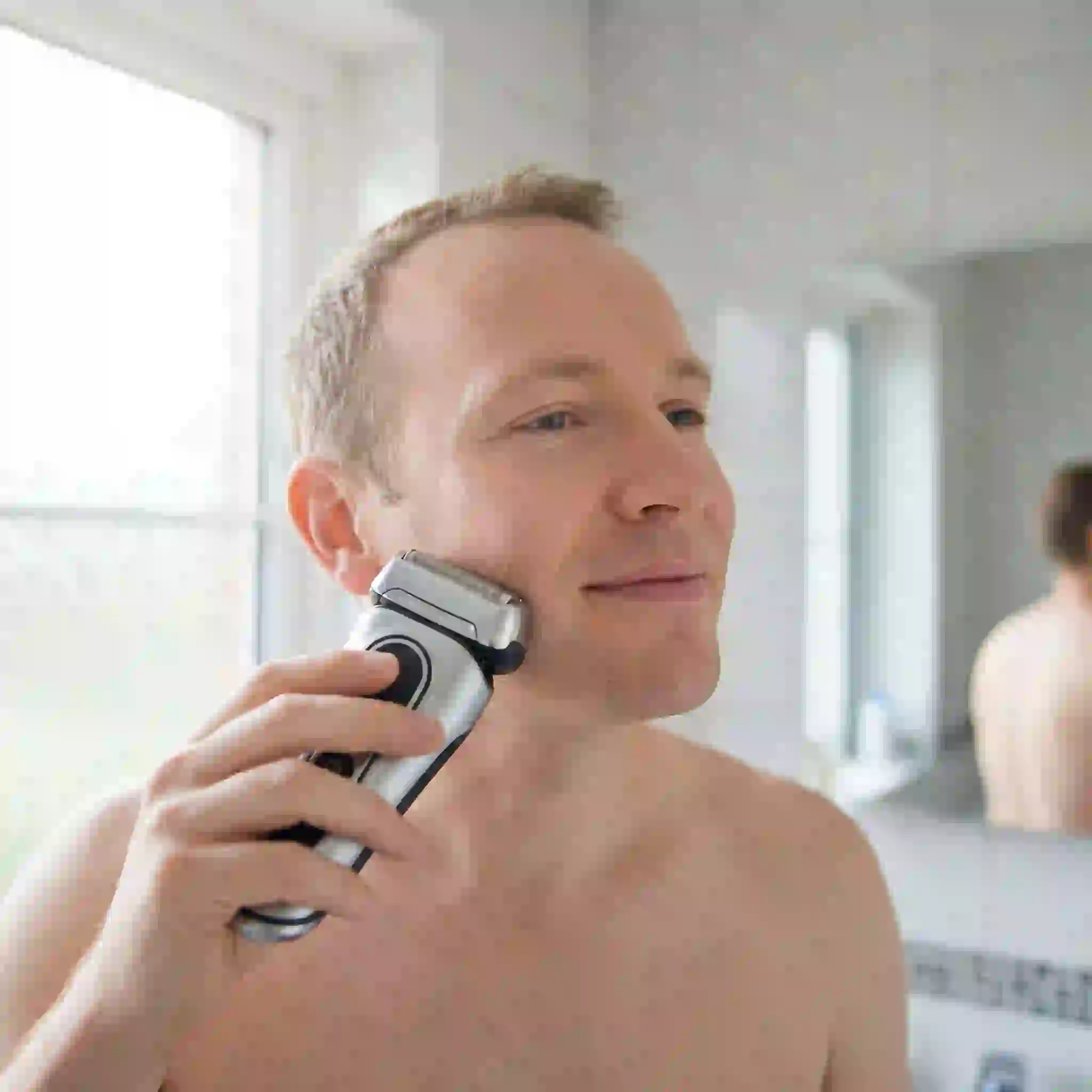
Depilatory creams specifically formulated for sensitive skin can also be a good choice, as they avoid the mechanical friction of a razor. However, a patch test is crucial to rule out any chemical sensitivities. Electric shavers, particularly foil shavers, are often recommended for sensitive skin as they provide a close shave without the blade directly touching the skin, reducing the risk of nicks and cuts.
Finally, while IPL devices can be effective, they require careful consideration of skin tone and hair color to avoid adverse reactions. Ultimately, the safest option is one that is well-tolerated by your skin and aligns with your grooming preferences.
5.2 Coarse or thick beard: what actually gets rid of it
Men with coarse or thick beards often face a greater challenge in achieving a smooth, clean shave. The density and strength of the hair can make it resistant to standard removal methods. For these individuals, waxing can be a highly effective solution. Although it can be painful, especially initially, waxing removes the entire hair from the follicle, resulting in a longer period of smoothness and potentially finer regrowth over time.
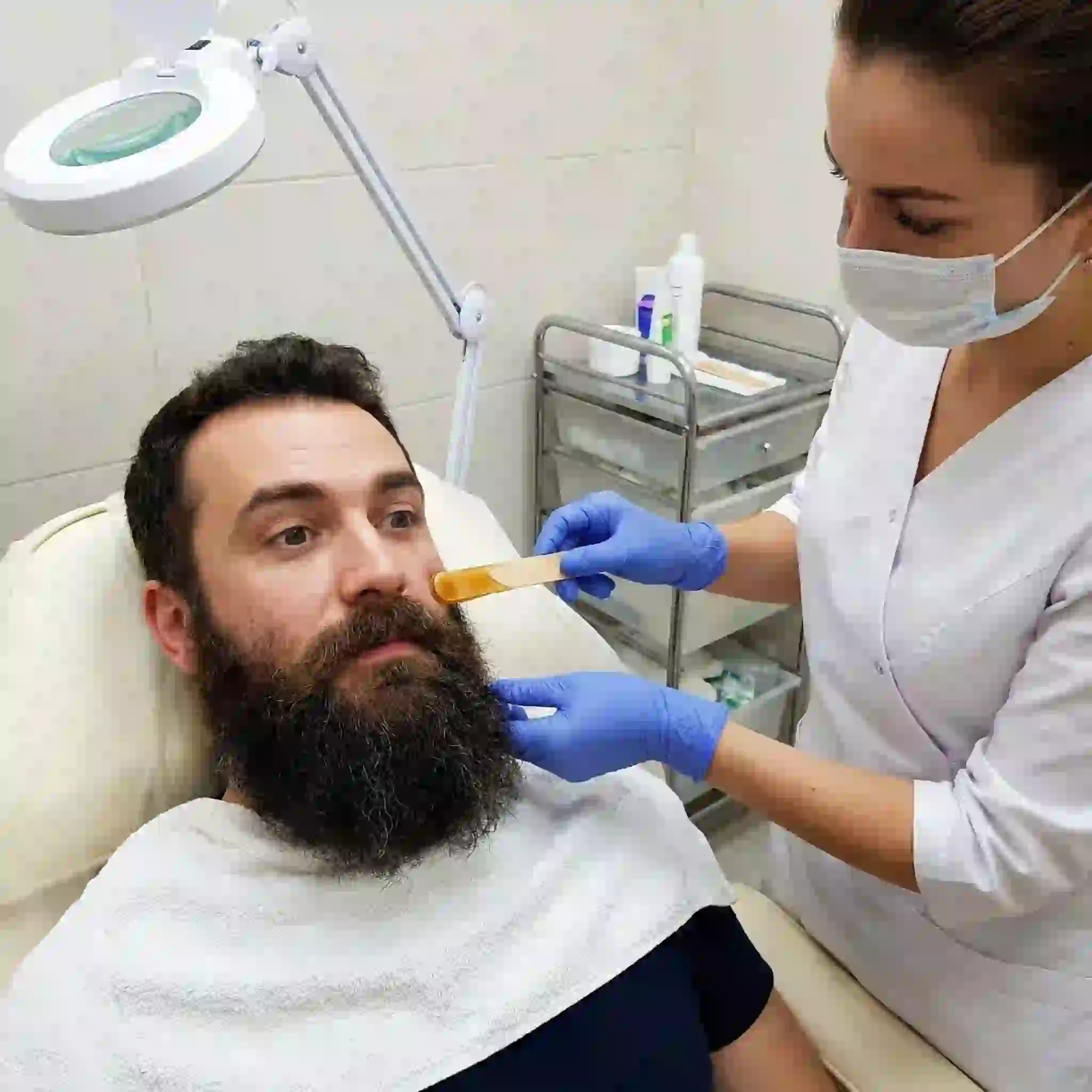
Professional waxing services are often recommended for coarse beards to ensure proper technique and minimize skin trauma. Another powerful option is IPL or laser hair removal, which targets the hair follicle with light energy, leading to a significant reduction in hair growth over several sessions. While this is a more significant investment, it can provide a long-term solution for managing a thick beard.
For those who prefer a daily routine, a high-quality, multi-blade razor combined with a rich shaving cream and proper pre-shave preparation can also yield a close, comfortable shave, although the results will be short-lived.
5.3 How to build a long-term facial hair removal routine
Building a long-term facial hair removal routine involves more than just choosing a single method; it requires a holistic approach that considers your skin type, hair growth patterns, and lifestyle. The first step is to establish a consistent pre-shave or pre-removal preparation routine. This might include cleansing the skin, exfoliating regularly to prevent ingrown hairs, and using a pre-shave oil or warm towel to soften the hair.
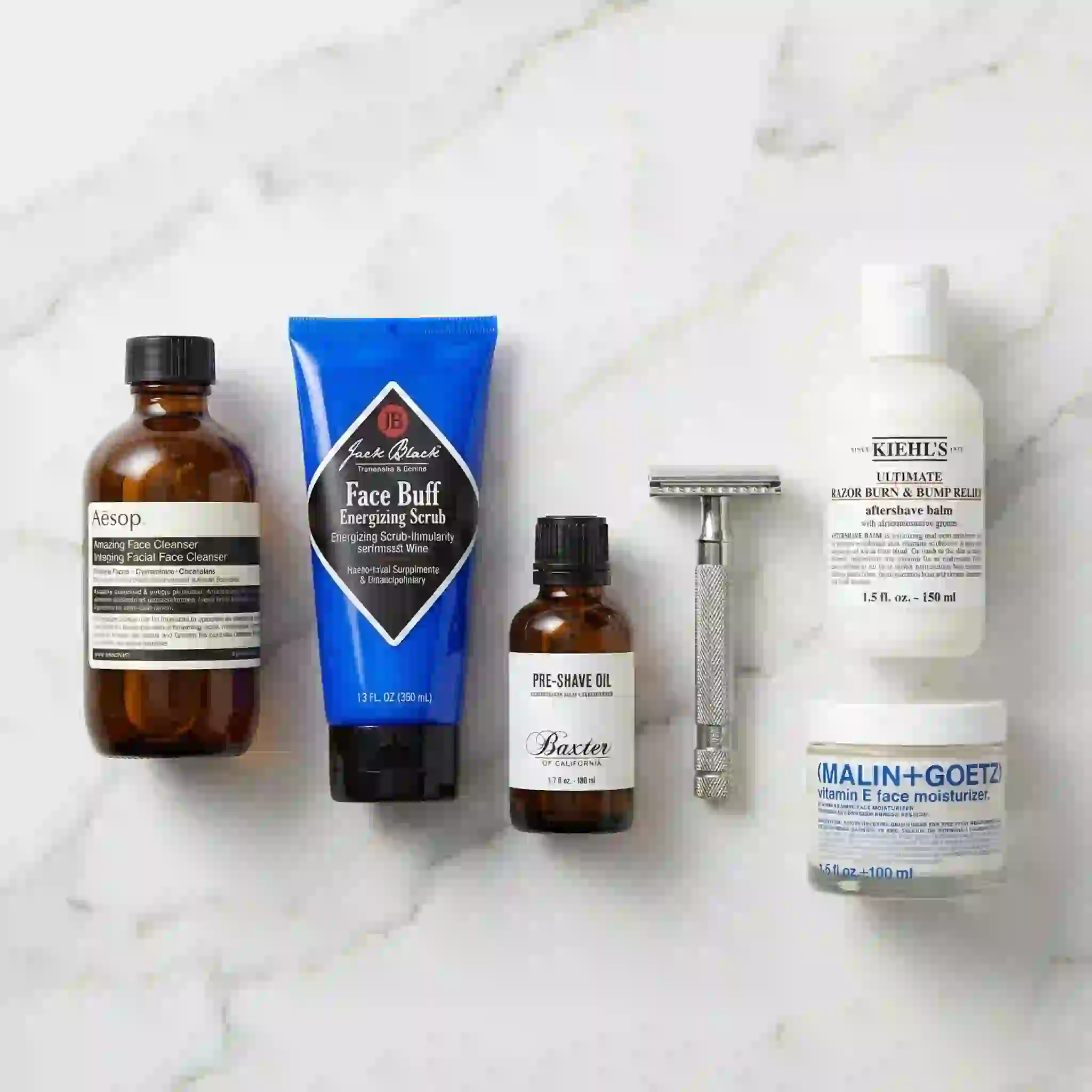
After removal, a post-care routine is equally important. This should involve rinsing the skin with cool water, applying a soothing, alcohol-free aftershave balm or moisturizer, and protecting the skin from the sun. It is also beneficial to periodically reassess your chosen method. Your skin and hair can change over time, and a method that worked well in the past may no longer be the best option.
By creating a comprehensive routine that prioritizes both hair removal and skin health, you can achieve a consistently smooth, comfortable, and irritation-free result.
Building a complete grooming strategy often requires exploring all available tools on the market. If you are still struggling to find the perfect match for your skin type, discovering a broader range of techniques can be the breakthrough you need for a truly flawless finish.
6. In the end
Navigating the world of physical beard removal can be a journey of discovery, moving beyond the daily grind of shaving to find a method that truly works for you. From the chemical precision of depilatory creams to the long-lasting smoothness of waxing and the natural appeal of sugaring, a wide array of options exists to suit every skin type and beard texture.
By understanding the science behind each method, weighing the pros and cons, and prioritizing your skin's health, you can transform your grooming routine from a chore into a satisfying act of self-care. Whether you have sensitive skin, a coarse beard, or simply a desire for a more enduring solution, the right method is out there.
We encourage you to explore the products and in-depth guides available at beardremover.com to continue your journey toward a smoother, more comfortable, and confident you.