
Laser Hair Removal for Beards: The Complete Guide to Permanent Facial Hair Removal for Men
Many men find themselves in a daily battle with their beard, constantly reaching for razors or trimmers. This routine can be time-consuming, often leading to skin irritation, razor bumps, and the persistent shadow of regrowth.
The desire for a more permanent solution is common, yet the world of laser hair removal can seem complex and daunting. Questions about how the process works, the number of sessions required, and the overall cost often deter individuals from exploring this effective option. There are also numerous misconceptions surrounding laser treatment, from concerns about pain and suitability for different skin tones to potential side effects.

This guide aims to demystify laser hair removal for beards, providing clear, factual information to help you understand if it's the right choice for achieving a smoother, hair-free complexion.
Ready to say goodbye to daily shaving and reclaim your mornings? Uncover the life-changing benefits and essential tips of laser beard removal in our specialized guide designed specifically for modern men.

1. How Laser Hair Removal for Beards Works
1.1 The science: targeting hair follicles with light
Laser hair removal operates on the principle of selective photothermolysis. This process involves using concentrated light energy to target the melanin, or pigment, within the hair follicles. When the laser light is absorbed by the melanin, it converts into heat, which then damages the follicle. This damage inhibits the follicle's ability to produce new hair or significantly slows down its growth.
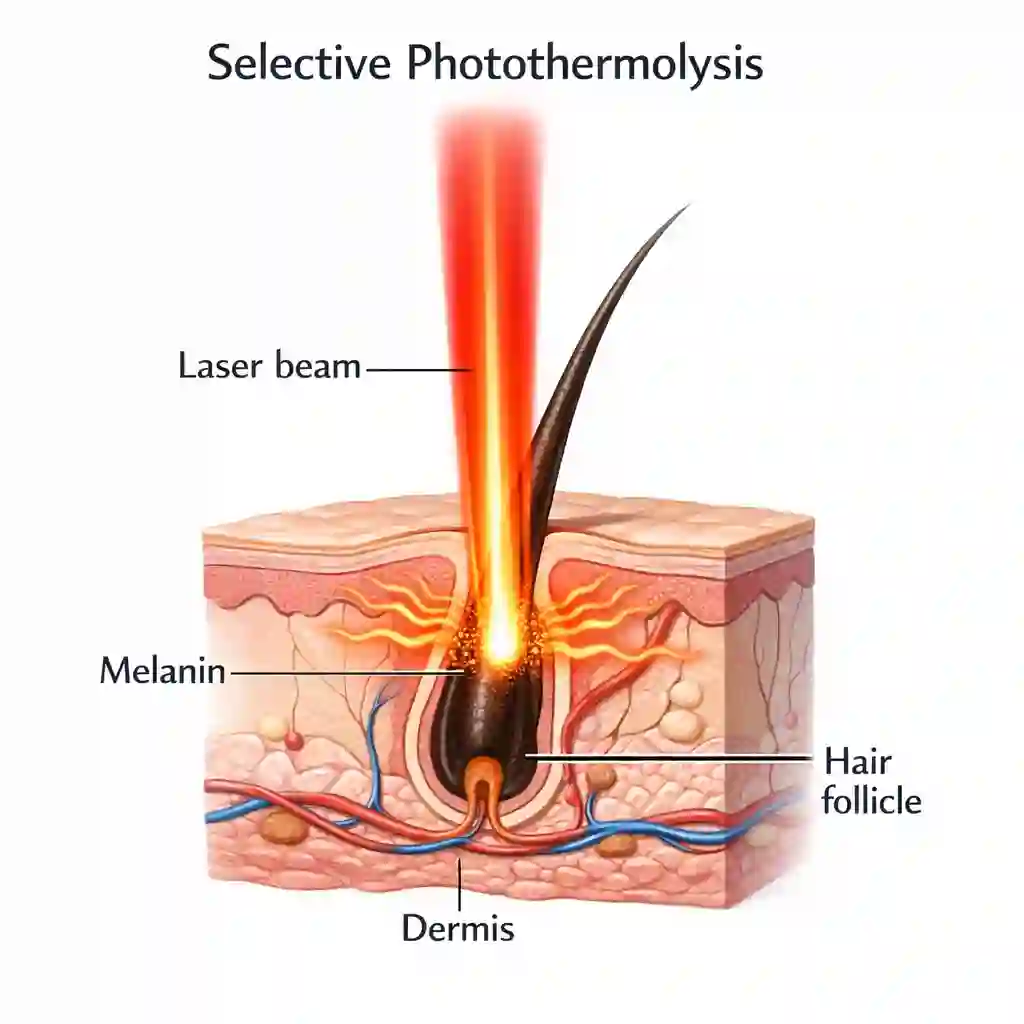
The surrounding skin remains largely unaffected because the laser is specifically tuned to target the pigment in the hair. Clinical studies have shown significant effectiveness; for instance, some trials report an average hair reduction ranging from 52% to 85.99% after a series of treatments, with one study noting a 75.07% reduction across treated areas at six months.
The effectiveness is highly dependent on the contrast between hair color and skin tone, as darker, coarser hairs absorb the laser energy more efficiently. This targeted approach ensures that the energy is primarily directed at the hair follicle, minimizing damage to the surrounding skin and making the procedure safe when performed correctly.
1.2 How many sessions does beard laser hair removal take?
Achieving optimal results with laser hair removal for beards typically requires multiple sessions. This is because hair grows in cycles, and the laser is most effective on hair follicles that are in the active growth phase (anagen). Not all hair follicles are in this phase at the same time.
Typically, only about 10–30% of your hair is in the anagen phase at any given moment. Therefore, multiple sessions, usually spaced four to six weeks apart, are necessary to target the hair as it cycles through this active growth stage. Most individuals can expect to undergo between six and eight laser hair removal sessions to see significant hair reduction.
However, some areas, like the face, might require 10–12 sessions due to hormonal influences and hair density. The exact number of sessions can vary based on individual hair type, skin tone, and the specific area being treated, as well as the type of laser used and the practitioner's expertise. Consistency in attending scheduled appointments is crucial for maximizing the effectiveness of the treatment and achieving the desired long-term results.
1.3 Who is a good candidate? Skin tone and hair color considerations
Laser hair removal is most effective for individuals with a strong contrast between their skin tone and hair color. The laser targets melanin, so dark hair on light skin typically yields the best results. This is because the laser can easily distinguish between the dark pigment in the hair and the lighter pigment in the skin, allowing for precise targeting of the hair follicle.
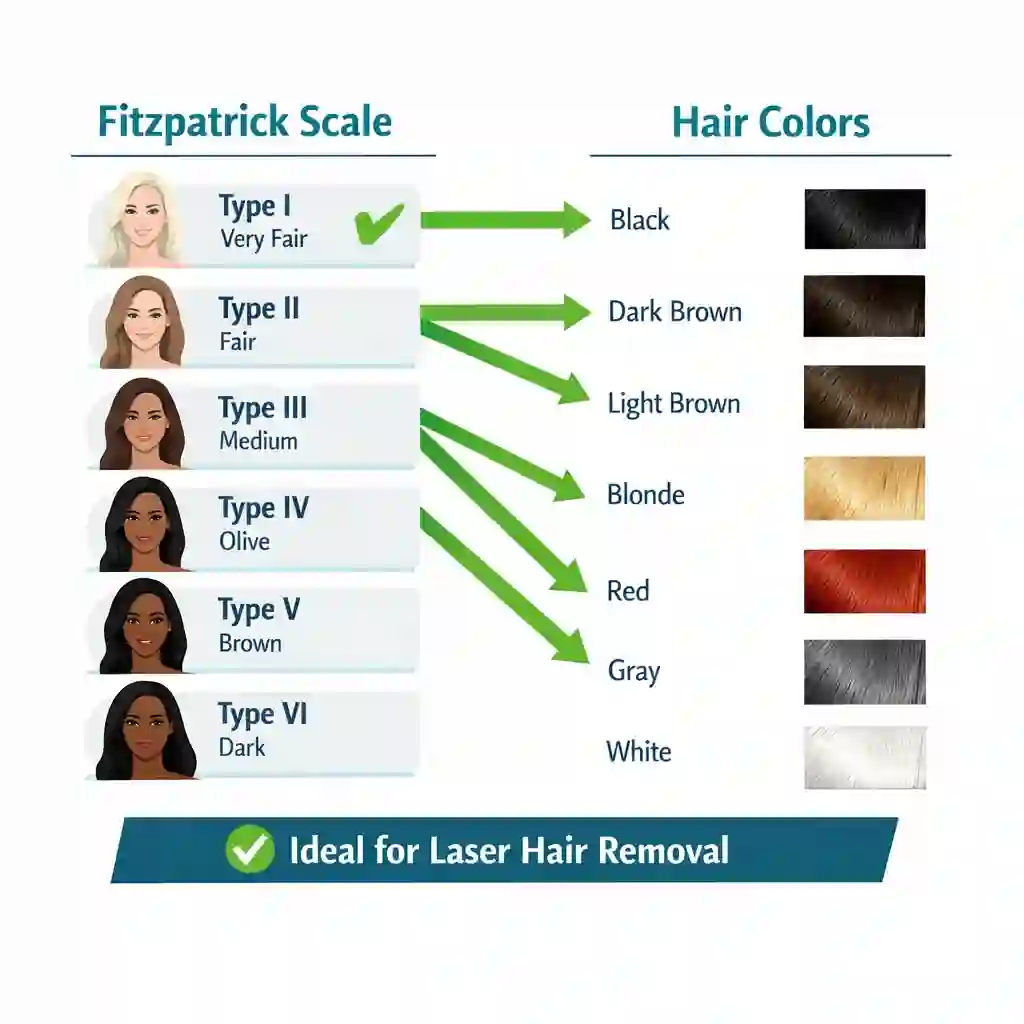
Advances in laser technology have made the treatment safer and more effective for a wider range of skin tones, including darker complexions. Newer lasers, such as the Nd:YAG, use longer wavelengths that can bypass the melanin in the skin's surface, making them suitable for individuals with more melanin in their skin.
However, individuals with very light, red, gray, or white hair may not be good candidates, as these hair colors contain little to no melanin for the laser to target. In such cases, the laser cannot effectively heat and damage the follicle. A thorough consultation with a qualified practitioner is essential to determine suitability and to choose the most appropriate laser technology for your specific needs, ensuring both safety and optimal outcomes.
For those considering laser hair removal for their beard, understanding the commitment involved is key. An 8-session guide can provide a clear roadmap of what to expect throughout the process, from initial consultations to post-treatment care. This detailed plan helps manage expectations regarding the timeline, potential discomfort, and the gradual reduction of hair.
It emphasizes the importance of consistent attendance and adherence to pre- and post-treatment instructions for achieving the best possible results. Such a guide can be invaluable in preparing for the journey towards a smoother, hair-free face, offering insights into each stage of the treatment and how to optimize its effectiveness.
There's a complete roadmap for 8 sessions of beard laser hair removal, covering consultations, timing, pre/post-care to maximize results.
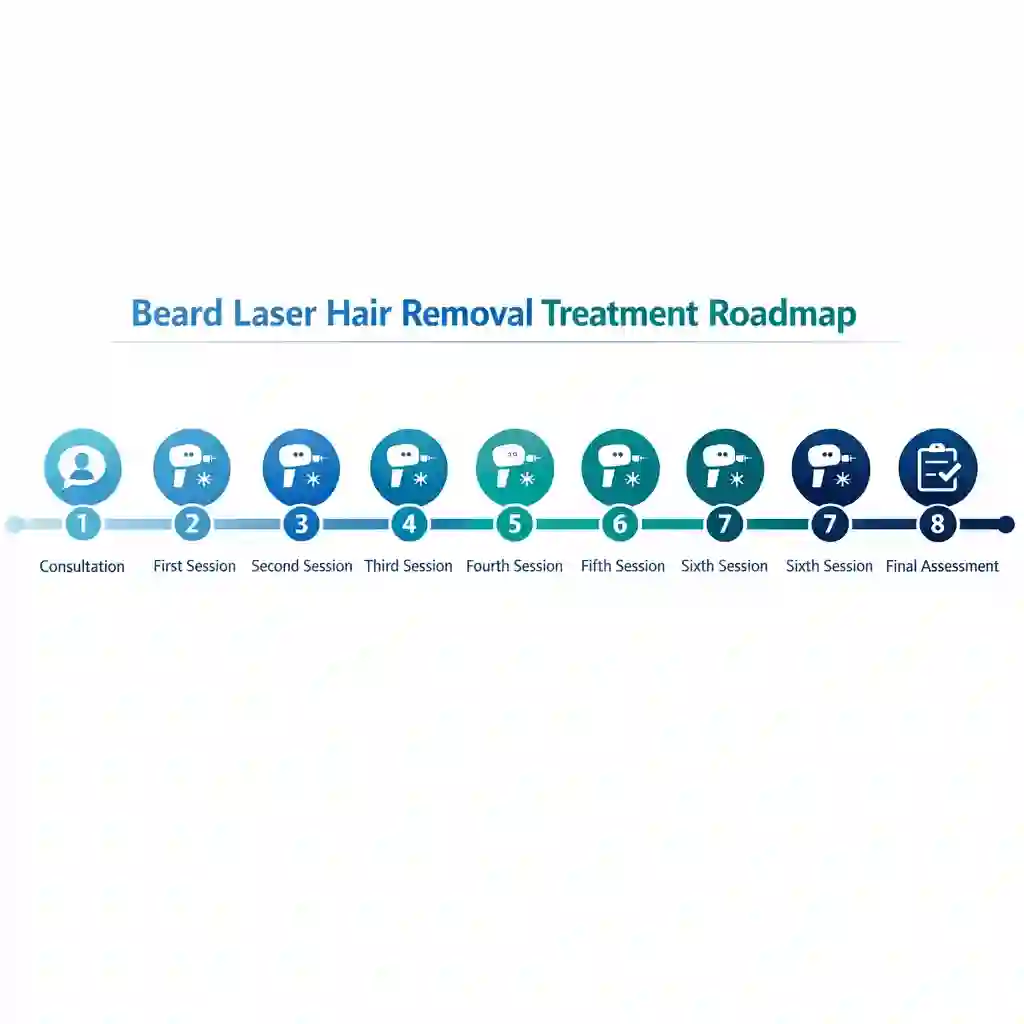
A complete roadmap for 8 sessions of beard laser hair removal, covering consultations, timing, pre/post-care steps to maximize results throughout the treatment course.
2. Laser vs. Electrolysis: Which Is Better for Permanent Beard Removal?
2.1 How beard electrolysis works
Electrolysis is another method for permanent hair removal, differing significantly from laser treatment. This technique involves inserting a fine, sterile probe into each individual hair follicle. A small electrical current is then delivered through the probe, which generates heat and chemically destroys the hair follicle's growth center. This precise method ensures that the follicle is permanently disabled, preventing future hair growth.
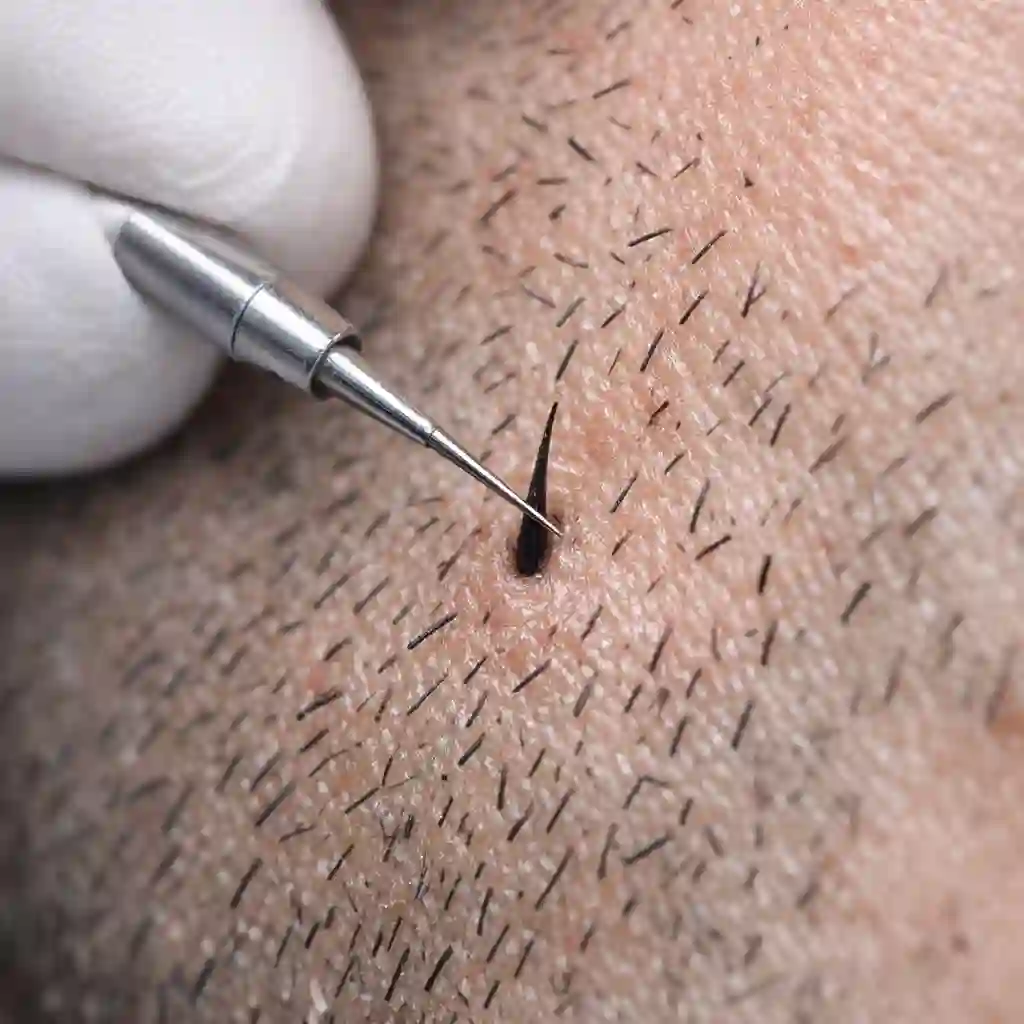
Because each follicle is treated individually, electrolysis is a meticulous and time-consuming process. It is effective on all hair colors and skin types, including light, red, gray, and white hairs, which laser hair removal cannot effectively treat. This makes it a viable option for those who are not suitable candidates for laser hair removal or for clearing up any remaining hairs after laser treatment.
If you are seriously considering this meticulous method, it is crucial to understand every step of the journey. From managing discomfort to exploring the exact costs and aftercare, a dedicated resource can provide the clarity you need to achieve permanent smoothness.

2.2 Laser vs. electrolysis: speed, cost, pain, and results compared
When comparing laser hair removal and electrolysis, speed and cost are major considerations. Laser hair removal is generally much faster, treating multiple hair follicles simultaneously over a larger area, with a typical beard session lasting 15–30 minutes. Electrolysis is slower due to its follicle-by-follicle approach, with sessions often lasting an hour or more.
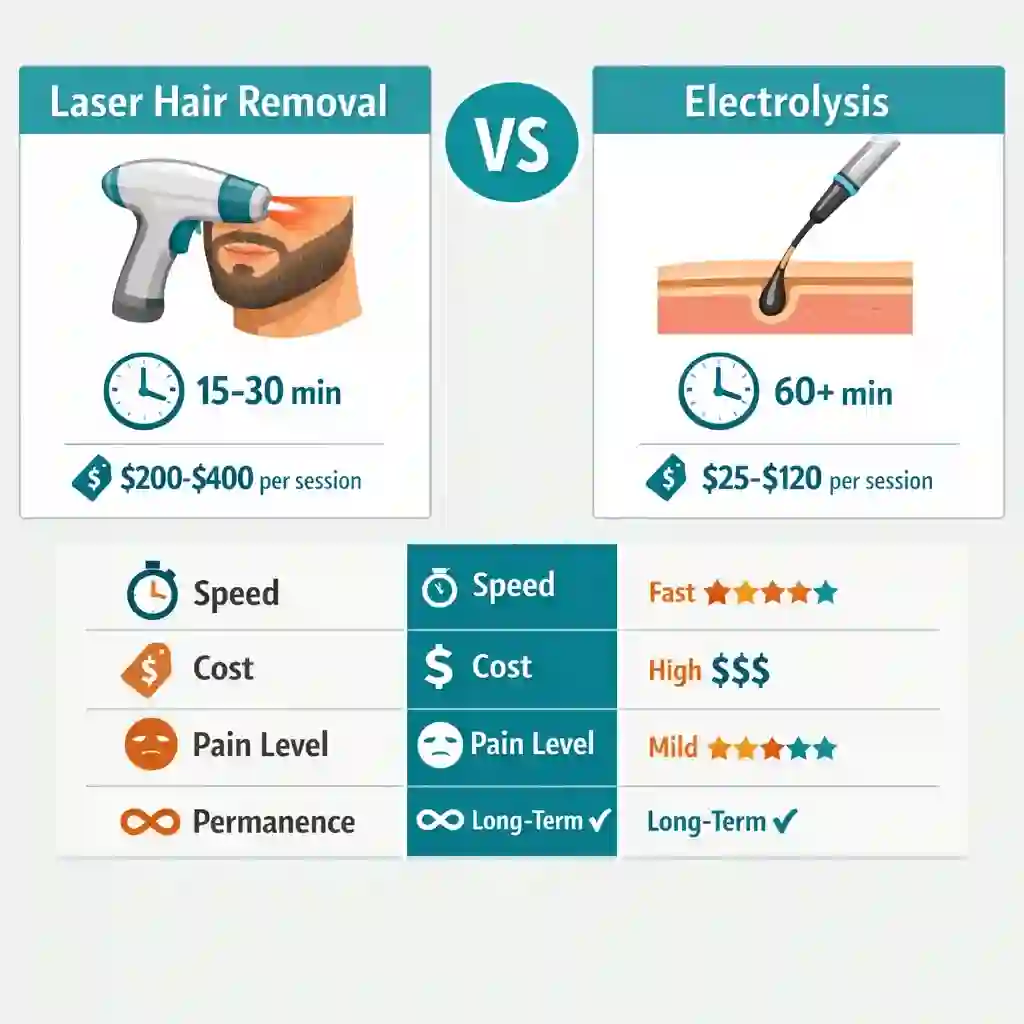
In terms of cost, laser hair removal often appears more expensive per session, with average costs ranging from $200–$400 in the US, while electrolysis sessions can range from $25–$120. However, the total cost of electrolysis can accumulate significantly due to the higher number of sessions required.
Beyond speed and cost, the pain and results of each method differ. Both methods involve some level of discomfort, often described as a snapping sensation for laser and a sharp prickling for electrolysis. The FDA considers both as methods for permanent hair reduction, but only electrolysis is recognized as providing permanent hair removal.
Laser hair removal achieves a significant and lasting decrease in hair growth, often between 70–90% reduction after a full course. In contrast, electrolysis aims for the complete and permanent eradication of every treated follicle over time.
2.3 Which method should you choose?
The choice between laser hair removal and electrolysis depends on individual circumstances, hair type, skin tone, and desired outcomes. If you have dark hair and a suitable skin tone, laser hair removal offers a quicker and often more convenient path to significant hair reduction over larger areas. It's ideal for those seeking a long-term solution to reduce daily shaving and manage beard growth efficiently.
The speed of treatment makes it appealing for larger areas like the full beard. If your hair is light, red, gray, or white, or if you desire complete and permanent removal of every single hair, electrolysis is the more appropriate choice. It is also the preferred method for shaping beard lines with extreme precision or for individuals with hormonal conditions that cause persistent hair growth.
A comprehensive consultation with a hair removal specialist can help you weigh the pros and cons for your specific situation and guide you toward the best method for your beard removal goals, considering factors like your pain threshold, budget, and desired level of permanence.
Still torn between the two options? Dive into our detailed breakdown of laser versus electrolysis for beard removal to finally determine which permanent solution is exactly right for your skin, hair, and wallet.

3. The Real Cost of Laser Beard Removal
3.1 What affects the price: sessions, clinic, and location
The cost of laser beard removal is influenced by several key factors, making it a variable investment. The number of sessions required is a primary determinant, as more sessions naturally lead to a higher overall expense. Most men require between 6 to 12 sessions for optimal results on their beard area.
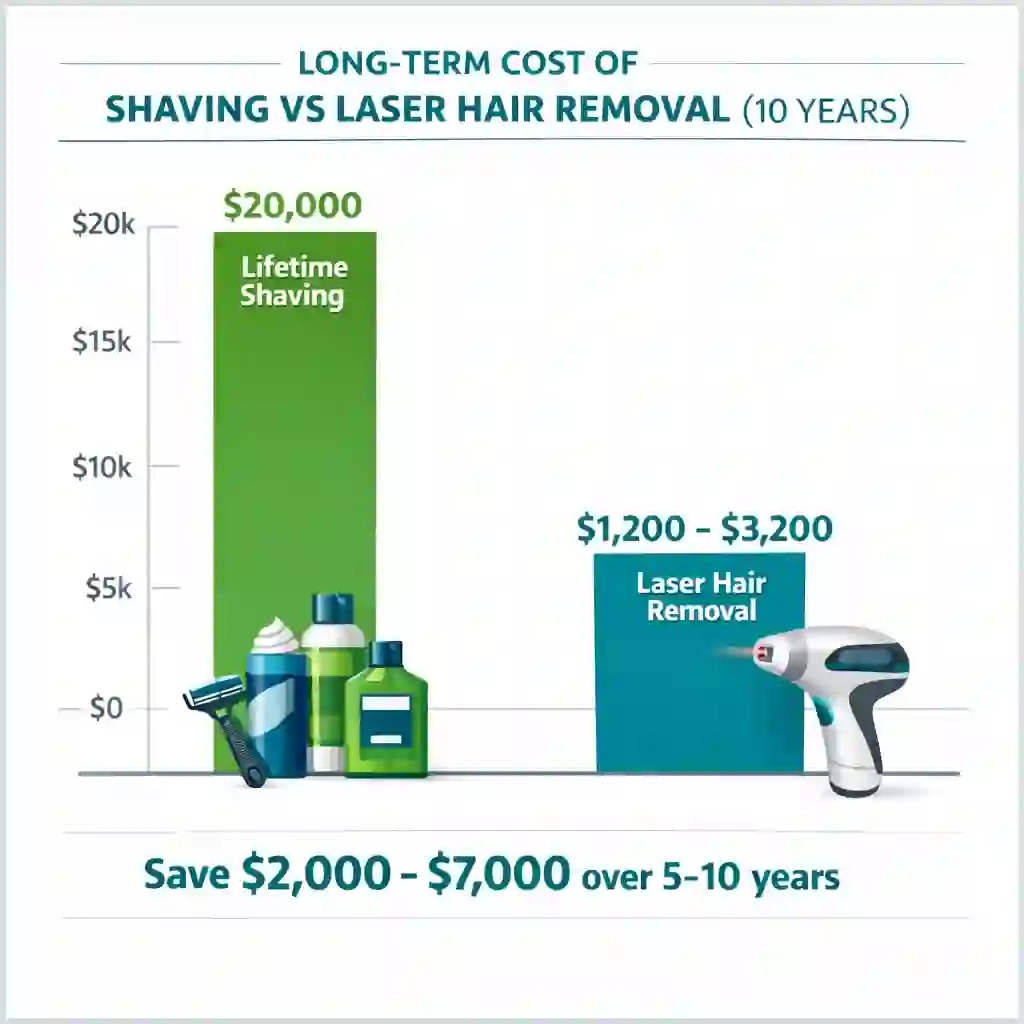
The reputation and location of the clinic also play a significant role; clinics in metropolitan areas or those with highly experienced practitioners and state-of-the-art equipment may charge more. On average, a single laser beard removal session in the US can cost between $200 and $400. Given that most treatment plans involve 6 to 8 sessions, the total estimated cost for a complete course can range from $1,200 to $3,200.
Some clinics offer package deals, which can significantly reduce the per-session cost, making it more affordable to complete the full treatment series. These packages are often a good value for money, as they encourage commitment to the full course of treatment necessary for effective hair reduction.
3.2 Long-term savings: laser vs. a lifetime of shaving
While the upfront cost of laser beard removal might seem substantial, it's important to consider the long-term financial implications compared to a lifetime of traditional shaving. The recurring expenses of razors, shaving cream, aftershave, and other grooming products can accumulate significantly over decades. For example, some estimates suggest that men can spend upwards of $20,000 on shaving products over their lifetime, with annual costs ranging from $40 to over $200 depending on the products used.
In contrast, laser hair removal is a one-time investment that, after the initial series of treatments, requires only occasional touch-up sessions, if any, which are typically less frequent and less expensive. Over a 5–10 year period, laser hair removal can save individuals between $2,000 and $7,000 compared to continuous shaving or waxing. This makes it a cost-effective solution in the long run, not just in terms of money saved, but also in terms of time and convenience.
3.3 Is permanent facial hair removal for men worth the investment?
For many men, the investment in permanent facial hair removal is well worth it. Beyond the financial savings over time, the benefits extend to significant improvements in daily life and personal well-being. Eliminating the need for daily shaving frees up valuable time each morning, which can be redirected to other activities.

It also drastically reduces the incidence of common shaving-related issues like razor burn, ingrown hairs, and skin irritation, leading to healthier, smoother skin. The confidence that comes with consistently smooth skin and a well-groomed appearance can also be a major factor, improving self-esteem and comfort in social and professional settings. While the initial commitment of time and money is real, the long-term convenience, comfort, and aesthetic benefits often outweigh these considerations, making it a valuable investment for personal well-being and a significant upgrade to one's grooming routine.
Considering the financial outlay for laser hair removal, many prospective clients often ask if the cost truly justifies the outcome. This is a valid question, as the initial investment can be significant. However, when weighing the recurring expenses of traditional shaving against the one-time cost of laser treatment, the long-term savings become evident.
Furthermore, the intangible benefits, such as freedom from daily shaving routines, reduced skin irritation, and increased confidence, add substantial value that extends beyond monetary considerations. Understanding the full scope of these benefits helps individuals make an informed decision about whether laser hair removal aligns with their personal and financial goals.
The paper breaks down beard laser costs, session/package pricing, and compares long-term savings against a lifetime of shaving expenses.
Breaks down beard laser costs, session and package pricing, and compares long-term savings against a lifetime of shaving expenses to help you decide.
4. 6 Common Myths About Permanent Facial Hair Removal for Men — Debunked
4.1 Myth: It's extremely painful
One of the most common misconceptions about laser hair removal is that it is excruciatingly painful. While discomfort is certainly a part of the process, most people describe the sensation as similar to a rubber band snapping against the skin or a quick pinch. The level of discomfort is often compared to waxing, but it is typically much quicker and more tolerable.

Modern laser machines often incorporate advanced cooling mechanisms, such as chilled tips, cryogen spray, or integrated air cooling systems, to minimize discomfort during treatment. These cooling technologies protect the skin and make the experience more bearable. The level of pain experienced can also vary depending on the individual's pain tolerance, the area being treated (the upper lip and chin can be more sensitive), and the specific laser settings used.
Many find it far less painful than waxing and more tolerable than the daily irritation of shaving, especially when considering the long-term benefits.
4.2 Myth: It works the same on all skin tones
Historically, laser hair removal was most effective and safest for individuals with light skin and dark hair. This is because the laser targets melanin, and a strong contrast helps the laser differentiate between hair and skin, reducing the risk of skin damage.
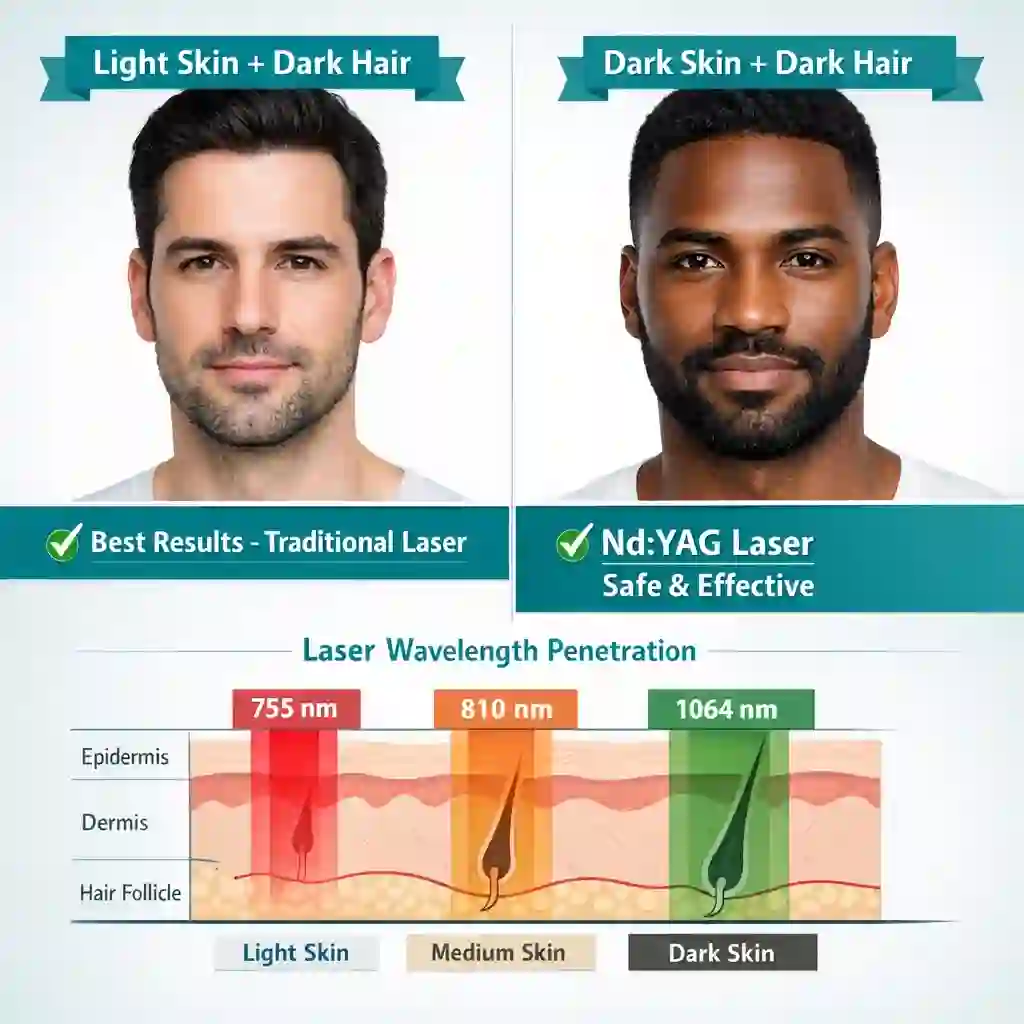
However, advancements in laser technology have introduced devices, such as Nd:YAG lasers, that are specifically designed to safely and effectively treat darker skin tones. These lasers use longer wavelengths that bypass the melanin in the skin's surface, targeting the deeper hair follicle with less risk of hyperpigmentation or hypopigmentation. It is crucial to choose a clinic with experienced technicians and appropriate technology for your specific skin type to ensure both safety and efficacy.
A skilled practitioner will assess your skin type using the Fitzpatrick scale and select the most suitable laser to achieve optimal results without adverse effects.
4.3 Myth: It causes serious side effects
Serious side effects from laser hair removal are rare, especially when performed by a qualified and experienced professional. Temporary side effects are more common and typically include redness, swelling, and mild irritation in the treated area, similar to a sunburn. These effects usually subside within a few hours to a couple of days.
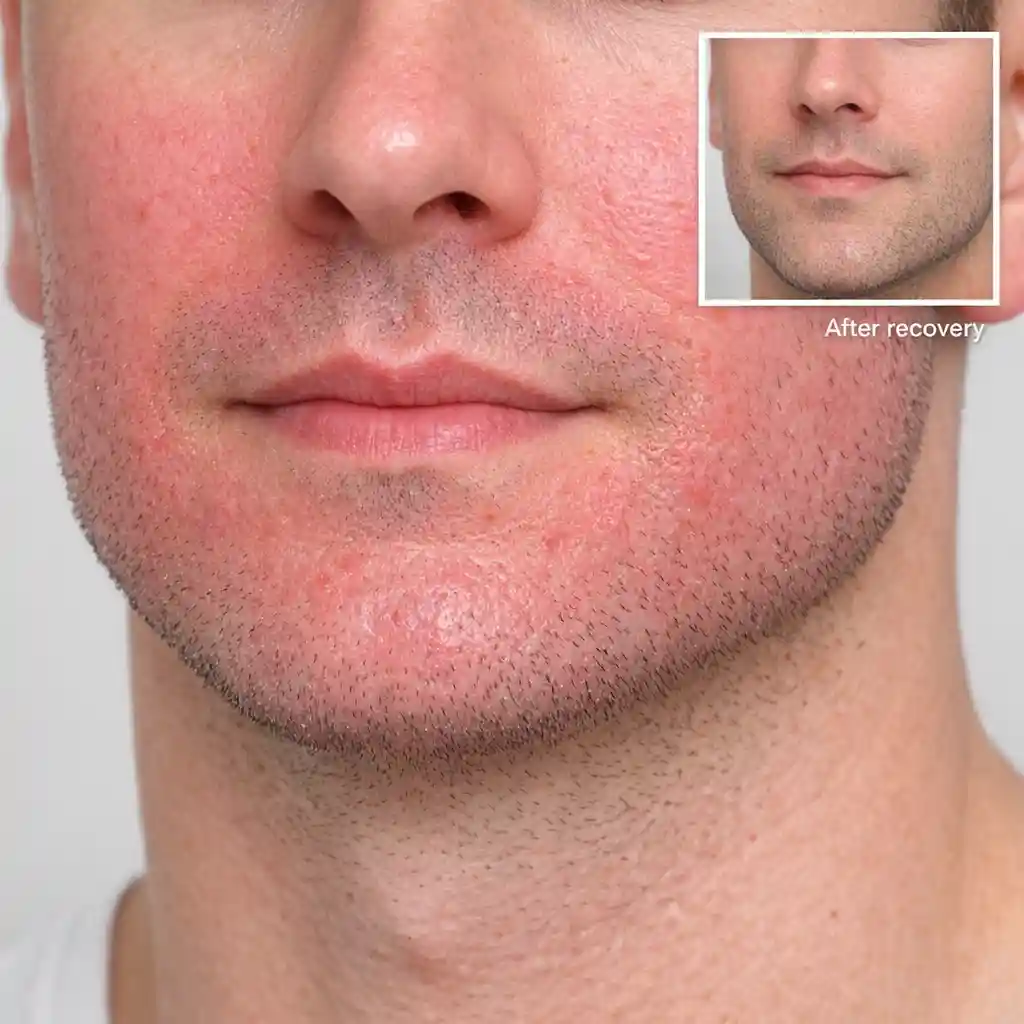
Some individuals might experience temporary itching or slight tenderness. In rare cases, more significant side effects like blistering, changes in skin pigmentation (lightening or darkening), or scarring can occur, particularly if the treatment is not performed correctly, if the wrong laser is used for the skin type, or if proper aftercare is neglected. Following pre- and post-treatment instructions diligently, such as avoiding sun exposure and using sunscreen, helps minimize risks and ensures a smooth recovery process.
4.4 Myth: One session is enough
Many people mistakenly believe that a single laser hair removal session will lead to permanent hairlessness. This is a significant myth. As mentioned earlier, hair grows in cycles, and the laser is only effective on hair in the active growth phase (anagen).
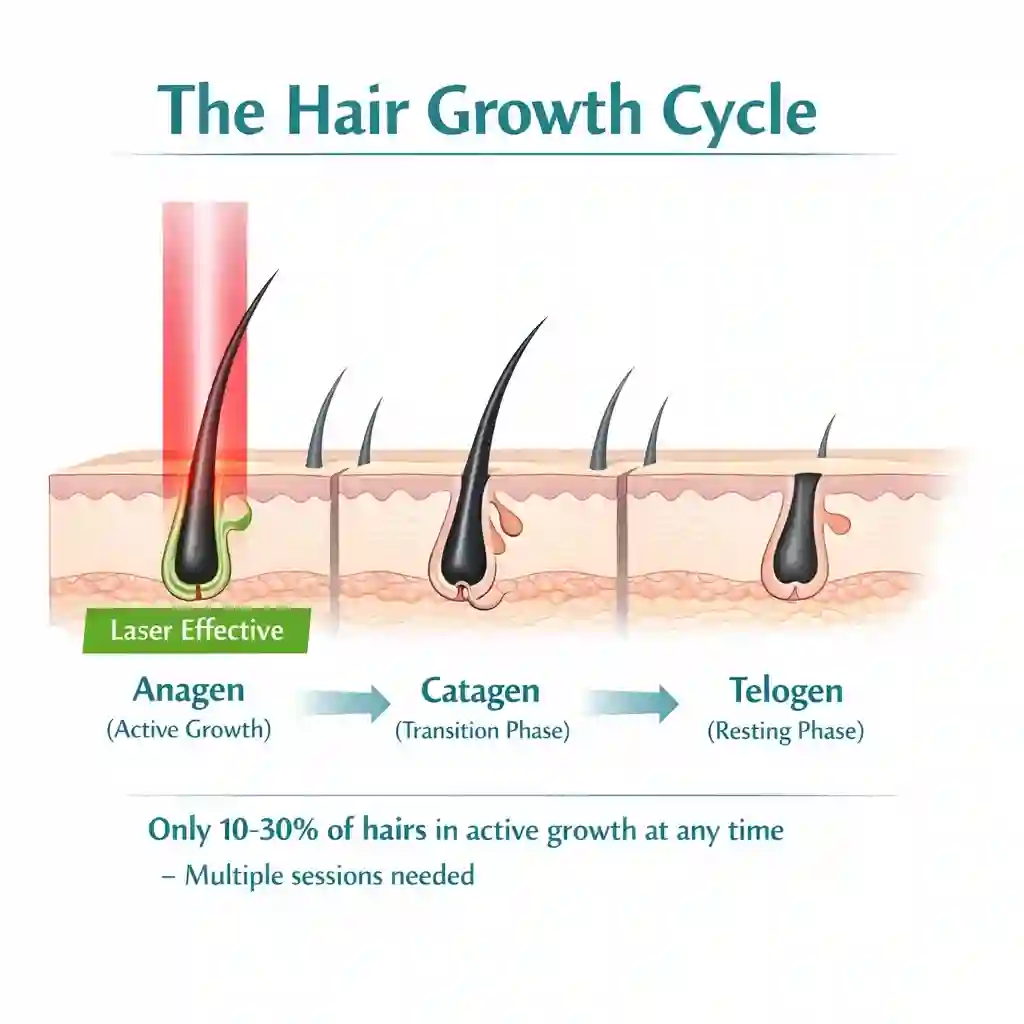
Since not all hairs are in this phase simultaneously, multiple sessions are necessary to target all the hair follicles as they enter their active growth cycle. A typical course of treatment involves 6 to 8 sessions, spaced several weeks apart, to achieve substantial and lasting hair reduction. For facial hair, which can be denser and more hormonally influenced, 10 to 12 sessions might be recommended.
Patience and consistency are key to successful results, as each session progressively reduces hair growth and density, leading to smoother skin over time.
4.5 Myth: You can permanently get rid of facial hair at home
While there are many at-home laser hair removal devices available on the market, they are generally not as powerful or effective as professional in-clinic treatments. These devices are designed for safety and ease of use by consumers, meaning their energy output is significantly lower to prevent accidental burns or skin damage. They can offer some degree of hair reduction and maintenance, and can be useful for slowing down regrowth or extending the time between professional sessions.

However, they are unlikely to provide the permanent hair removal or significant reduction achieved with professional-grade equipment and higher energy settings. For permanent facial hair removal, especially for dense beard hair, professional treatments performed by trained specialists using medical-grade lasers are the most reliable and effective option.
Are you still debating whether risking an at-home IPL device is worth the lower upfront cost compared to booking a clinical session? Dive into our comprehensive 2026 evaluation that rigorously pits at-home consumer devices against professional laser clinics and electrolysis treatments to uncover the absolute best path to a smooth face.

While professional clinics deliver unparalleled results for men's dense beards, understanding every available option empowers your decision. If you're exploring DIY techniques or want to completely master how to get rid of facial hair permanently at home, it's crucial to understand the limitations and potential of combining IPL with natural remedies.

If you are feeling overwhelmed by these options or simply wish to see the potential outcome before committing to any serious treatments, a risk-free virtual preview can be life-changing. Discover an actionable guide that explores how to truly stop facial hair growth, starting from simple AI visualizers to the most reliable permanent solutions tailored for you.

4.6 Myth: Hair grows back thicker after laser
This is a common concern, but it is a myth. Laser hair removal works by damaging the hair follicle, which typically results in finer, lighter, and sparser hair regrowth, if any. The idea that hair grows back thicker often stems from anecdotal observations or confusion with other hair removal methods like shaving, which can make hair appear thicker due to the blunt cut of the hair shaft.
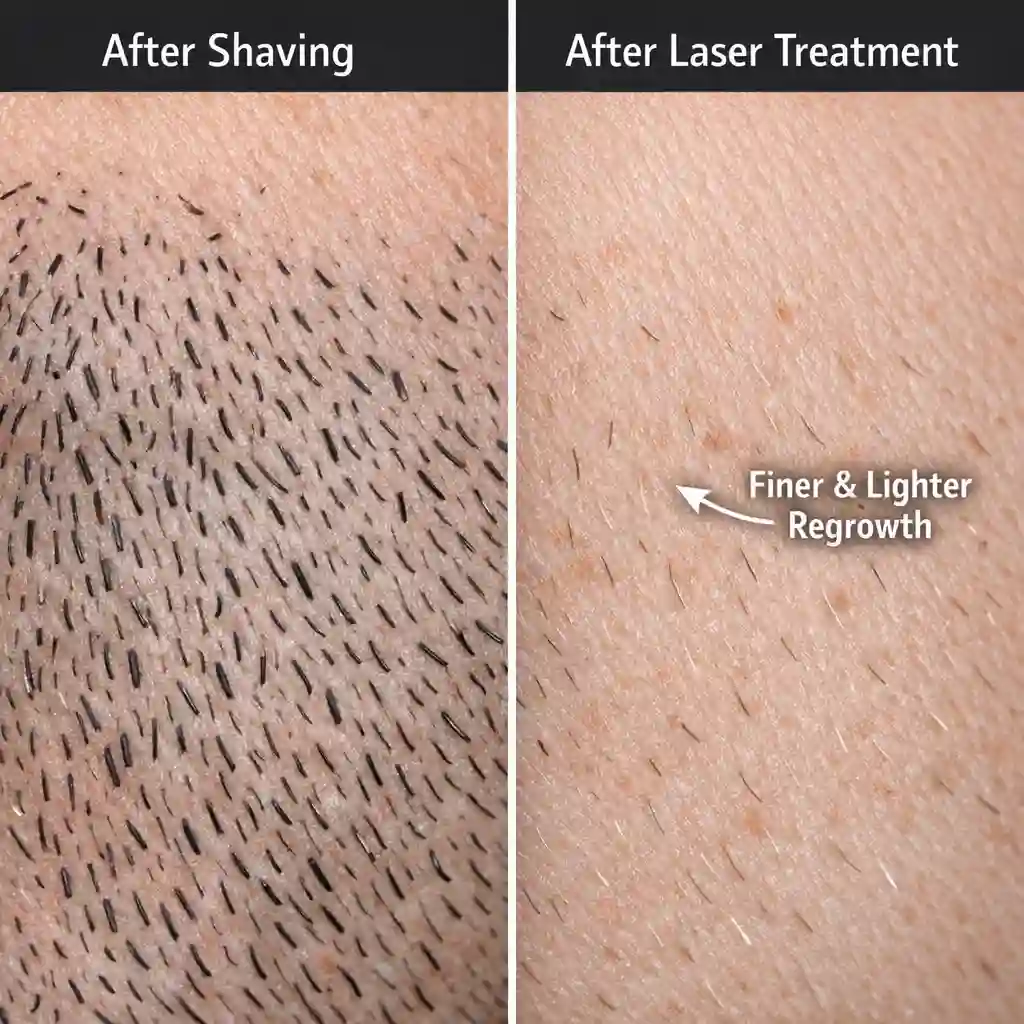
With laser treatment, the goal is to progressively weaken and destroy the follicles, leading to a reduction in hair density and thickness over time, not an increase.
Dispelling common myths surrounding permanent facial hair removal is crucial for anyone considering the procedure. Misconceptions about pain, effectiveness across different skin tones, potential side effects, and the number of sessions required can deter individuals from pursuing a treatment that could significantly improve their quality of life. By addressing these myths with factual information, prospective clients can approach laser hair removal with realistic expectations and a clear understanding of the process.
This transparency helps build trust and ensures that individuals make informed decisions based on accurate data rather than unfounded fears or misinformation.
Let's debunk 6 common myths about permanent facial hair removal for men, clarifying pain, skin tone suitability, and side effects with facts.
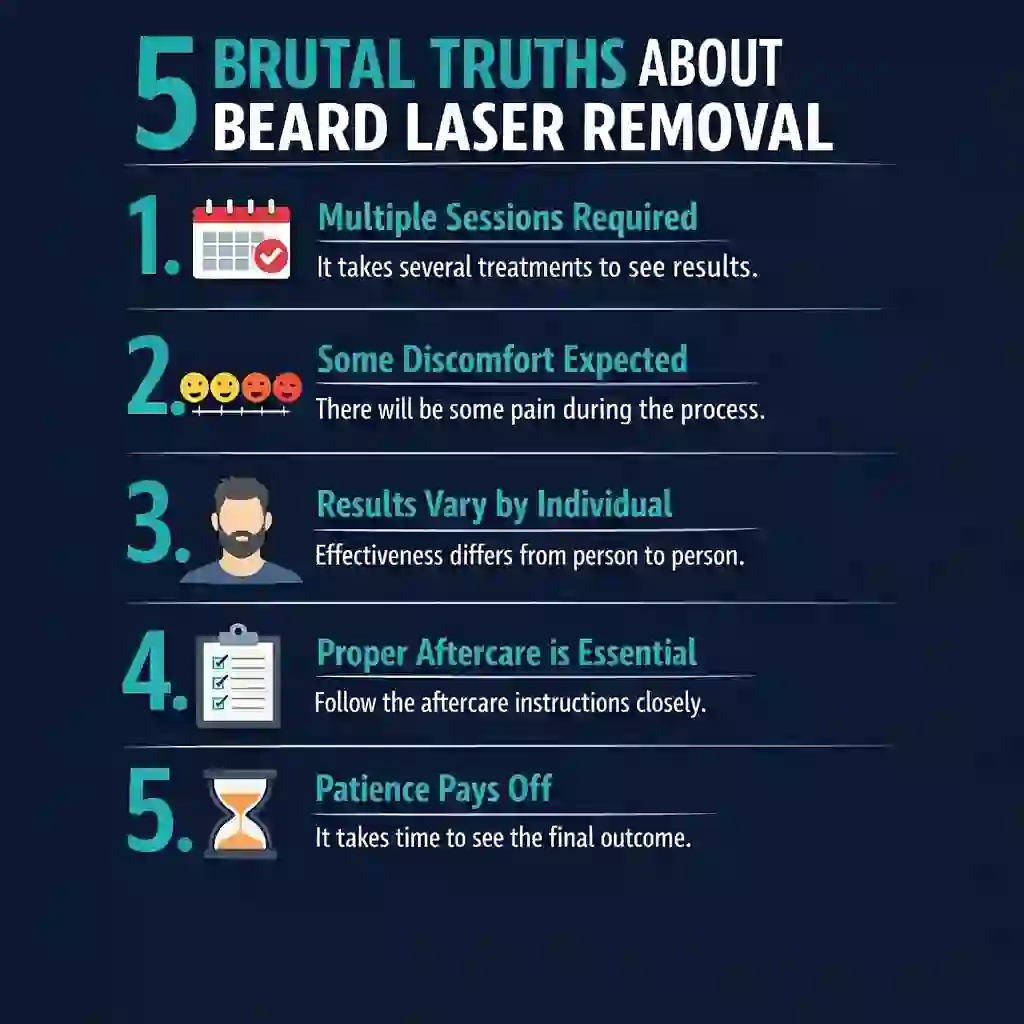
Understanding the realities of beard removal laser treatments, beyond the myths, is essential for a successful outcome. Many individuals harbor certain brutal truths about the process, such as the need for multiple sessions, the potential for discomfort, and the importance of proper aftercare. Acknowledging these realities upfront helps set appropriate expectations and prepares individuals for the journey.
It also highlights the importance of choosing a reputable clinic and adhering to professional advice to mitigate any potential challenges. By confronting these truths, individuals can better appreciate the long-term benefits and make a fully informed decision about undergoing laser beard removal.
The paper covers 5 brutal truths about beard laser removal, emphasizing multiple sessions and aftercare to set realistic expectations.
5. What to Expect: Before, During, and After Treatment
5.1 How to prepare for your laser session
Proper preparation ensures safe, effective results.
- Avoid sun exposure/tanning for weeks (risks burns/hyperpigmentation).
- No waxing, plucking or electrolysis for 4–6 weeks (laser needs intact follicles).
- Shave 12–24 hours before, so laser targets follicles not surface hair.
- Inform staff of medications (especially photosensitizing drugs) and health changes.
- Skin must be clean: no lotions, deodorant or makeup on treatment day.
5.2 What the treatment feels like
- Wear protective eyewear; cooling gel is applied to protect skin.
- Laser pulses feel like a warm prickle, quick pinch or rubber band snap.
- Modern machines include cooling features for comfort.
- Session length varies by area (e.g., beard: 15–30 minutes).
- Discomfort is usually tolerable and decreases as hair thins.
5.3 Aftercare: what to do and what to avoid
Temporary redness/swelling (like mild sunburn) is normal.
- Soothe with cool compresses or aloe vera.
- Avoid sun exposure; use SPF 30+ sunscreen for weeks.
- Skip hot showers, saunas, steam rooms and intense exercise for 24–48 hours.
- Do not pick, scratch or exfoliate treated skin.
Redness and swelling fade quickly; following aftercare improves healing and results.
6. How to Choose a Laser Hair Removal Clinic
6.1 What to look for in a provider
Choose a reputable clinic with certified, experienced technicians or medical staff. Staff should understand laser types and match them to your skin and hair type.
A quality clinic provides a full consultation (medical history, skin type, goals) and is transparent about process, risks and results. Check positive reviews, clean environment, strict hygiene and professional accreditation.
6.2 Questions to ask before you book
Ask about:
- Laser type suitability for your skin/hair
- Technician qualifications and experience
- Total cost, packages, session count and touch-ups
- Session number, interval, side effects and aftercare
- Before/after photos for similar skin/hair types
6.3 Red flags to avoid
- Unrealistically low prices (old equipment, inexperience, hidden fees)
- Unrealistic promises (100% permanent removal in few sessions)
- No thorough consultation, unclear answers, hard-selling packages
- Poor hygiene or poorly maintained equipment
Prioritize safety, comfort and realistic expectations over quick sales.
7. Conclusion + CTA
Laser hair removal for beards offers a compelling and increasingly popular solution for men seeking to escape the daily grind of shaving and achieve lasting smoothness.
By understanding how the technology works, what to expect from the process, and how it compares to other methods like electrolysis, you can make an informed decision tailored to your individual needs and goals.
While it represents an investment in both time and money, the long-term benefits of significantly reduced hair growth, improved skin health, and enhanced confidence often make it a profoundly worthwhile endeavor. It's important to approach the process with realistic expectations, recognizing that multiple sessions are required and that results can vary individually based on hair type, skin tone, and adherence to treatment protocols.
Ready to explore a life free from daily shaving, razor bumps, and constant irritation? Visit beardremover.com to learn more about permanent facial hair removal options and find a qualified specialist near you to begin your journey towards a smoother, more confident you.