
How to Stop Facial Hair Growth: A 2026 Actionable Guide (From Instant Preview to Permanent Solutions)
Published in 2026-02-28
Dealing with unwanted facial hair can be a constant and frustrating battle. For many, it's a daily reminder that impacts confidence and requires endless upkeep. If you're searching for a way to stop facial hair growth, you're not alone.
The good news is that effective solutions are more accessible than ever. This guide will introduce you to the top strategies available, starting with three standout approaches. First, the revolutionary beadremover.com AI tool offers an instant, risk-free preview of your clean-shaven look.
This guide provides a complete roadmap, helping you navigate from a simple virtual try-on to lasting smoothness. We are here to help you find the best way to stop facial hair growth and reclaim your confidence. It's time to explore the methods that will finally help you stop facial hair growth for good.

1. Your First Step: Instantly See Yourself Without Facial Hair
Before committing to expensive or irreversible treatments, visualizing the final result is a critical first step. This isn't just about satisfying curiosity; it's about making an informed and confident decision. The anxiety of the unknown—wondering if you'll like your appearance without facial hair—can be a major hurdle.
A visual preview is essential to stop facial hair growth concerns from holding you back. It provides a clear picture, removing doubt and empowering you to move forward. This is a crucial part of the journey to stop facial hair growth.
1.1 Why a Preview is Your Key First Step
Seeing the potential outcome helps alleviate the anxiety associated with change. Many people fear they won't recognize or like themselves after removal, which stops them from taking action. A preview offers a stress-free way to explore the possibility.
It's a powerful tool to help you decide if you truly want to stop facial hair growth. Compared to costly laser sessions or painful waxing, this is a completely pressure-free way to begin. This initial step is vital to prevent facial hair growth from becoming a permanent worry.

It’s the smartest way to start your mission to stop facial hair growth.
1.2 How It Works: Use Our AI Tool to Instantly “Shave” Your Beard
Our AI-powered tool Beard Remover is designed for simplicity and instant results. You just upload a clear photo of yourself, and the technology digitally removes the facial hair, providing a realistic “after” image in seconds. This process shows you exactly what to expect.
We believe this is the most modern facial hair growth stopper for decision-making. It’s a practical way to stop facial hair growth from being a source of uncertainty. See for yourself how you’d look with smoother skin.
This tool is a key resource for anyone looking to stop facial hair growth.
This user shares their personal journey and tips on managing excessive facial hair, offering a relatable perspective for those looking to stop facial hair growth. Their experience highlights the common struggles and solutions people explore.
2. Understand Your “Enemy”: Why Does Facial Hair Grow Excessively?
To effectively stop facial hair growth, it’s important to understand the underlying reasons. Excessive facial hair causes are often linked to internal factors that can be managed. Knowing the cause helps you choose the right treatment path.
This knowledge is the foundation for any successful attempt to reduce facial hair growth. For many, this is a medical issue, not just a cosmetic one. Let's explore the primary triggers.
This understanding is key to your strategy to stop facial hair growth.
2.1 Hormonal Imbalances: The Most Common Culprit
Hormonal facial hair treatment often starts with identifying an imbalance. Androgens, often called “male” hormones, can cause excessive hair growth in women when levels are too high. This is the most frequent reason behind the struggle to stop facial hair growth.

Polycystic Ovary Syndrome (PCOS) is a primary example, affecting millions of women. Menopause and pregnancy also cause hormonal shifts that can trigger unwanted hair. Addressing these hormones is a direct way to stop facial hair growth.
2.2 Genetics and Ethnic Background
Your genetic makeup plays a significant role in hair growth patterns. If close female relatives have unwanted facial hair, you are more likely to experience it too. Certain ethnicities, such as those of Mediterranean, South Asian, or Middle Eastern descent, naturally have more hair.

In these cases, the goal is to manage the growth rather than “cure” a condition. Even with a genetic predisposition, there are ways to reduce facial hair growth effectively. It's about finding the right method for you to stop facial hair growth.
2.3 Medications and Other Health Conditions
Certain medications can list unwanted hair growth as a side effect. These can include some steroids, hormonal medications, and other specific drugs. Additionally, rare health conditions like Cushing's syndrome or tumors on the adrenal glands or ovaries can disrupt hormone levels.
It's important to consider these possibilities if the hair growth is sudden and severe. Consulting a doctor is crucial to rule out serious excessive facial hair causes and find a safe way to stop facial hair growth.

This video provides a detailed medical overview of different methods to stop facial hair growth, from over-the-counter options to in-office procedures, helping viewers make informed choices.
Permanent and At-Home Facial Hair Removal
Watch on YouTube
This discussion thread offers insights from people with PCOS sharing what has and hasn't worked for them, providing a community perspective on how to stop facial hair growth.
3. Temporary Solutions: How to Safely and Effectively “Hide” Hair
Not everyone is ready or able to commit to permanent hair removal methods. For those seeking immediate but non-permanent results, several safe and effective options exist. These methods help you manage appearance while you consider long-term strategies.
They are a practical first line of defense to reduce unwanted facial hair. The key is to use them correctly to avoid skin irritation. These techniques are a great way to temporarily stop facial hair growth from being visible.
3.1 Surface Removal: Quick but Short-Lived
Shaving is the fastest and most common method. Using a clean, sharp razor designed for the face and a good shaving cream can prevent irritation and ingrown hairs. Another option is depilatory creams, which dissolve hair at the surface.

Always perform a patch test before applying these creams to your face to ensure you don't have a reaction. These methods are excellent for a quick fix but require frequent upkeep to prevent facial hair growth from showing.
3.2 Root Removal: Longer-Lasting Results
Methods that remove hair from the root offer smoother skin for weeks. Tweezing is perfect for a few stray hairs, while threading provides precise shaping, especially for eyebrows. Waxing and sugaring are effective for larger areas like the upper lip or cheeks.

While more painful, they significantly slow down facial hair regrowth compared to surface methods. These are solid choices if you want to stop facial hair growth for a longer period.
3.3 Visual Reduction: Lighten, Don’t Remove
If the hair is fine but dark, bleaching can be an excellent alternative. This method doesn't remove the hair but makes it nearly invisible by stripping its pigment. It’s a painless way to deal with unwanted hair without the risks of irritation from removal.
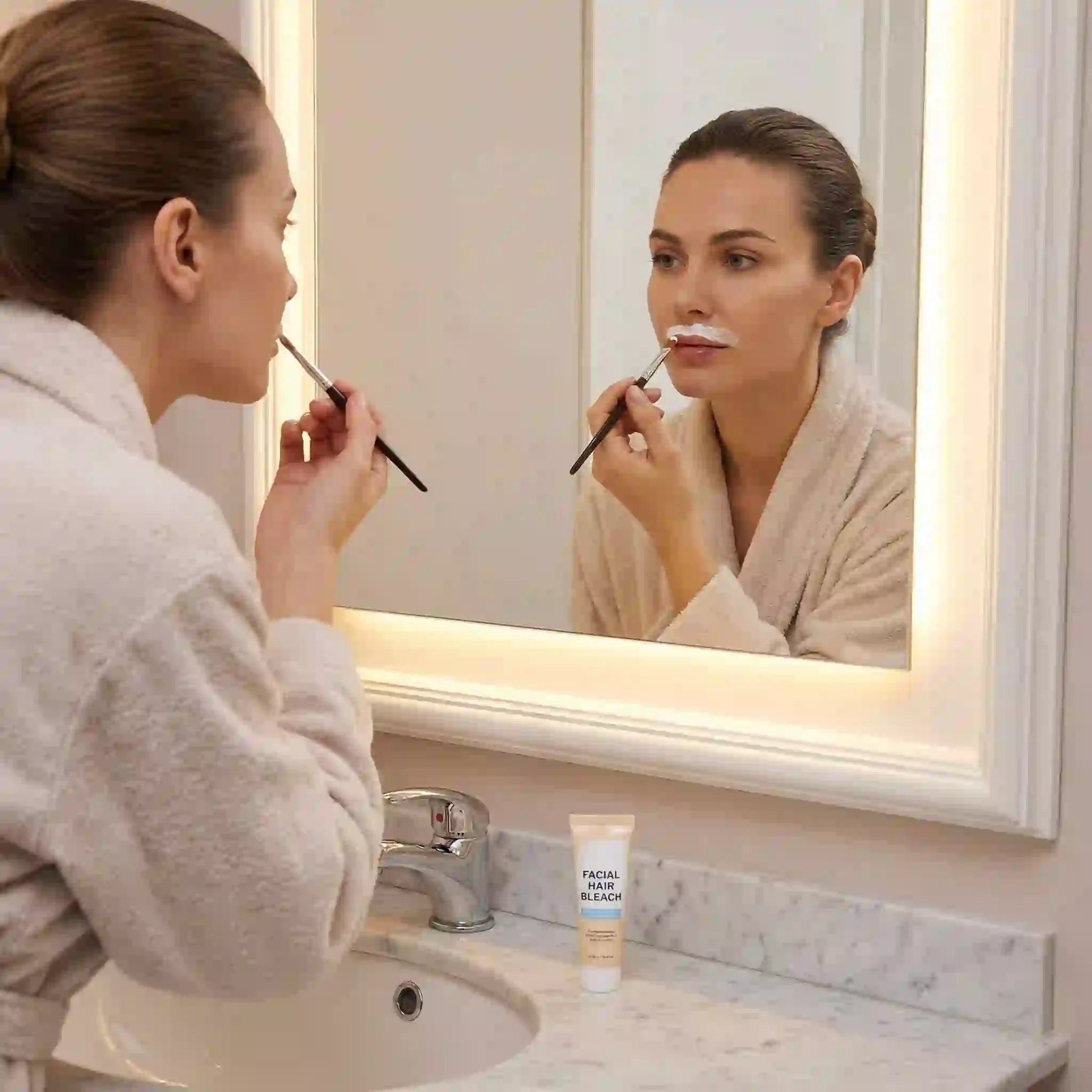
It’s a clever way to visually stop facial hair growth from being noticeable. This approach is ideal for those who want to reduce unwanted facial hair appearance without physical removal.
This video explores various natural remedies and do-it-yourself techniques that claim to help stop facial hair growth, offering viewers a holistic and at-home perspective on management.
3 Best Natural Ways to Remove Facial Hair
Watch on YouTube
4. Long-Term Strategies: Moving Toward Permanent Hair Removal
For those tired of the endless cycle of temporary fixes, long-term solutions offer a path to lasting freedom. These permanent hair removal methods work by targeting the hair follicle to prevent facial hair growth at the source. While they require a greater initial investment of time and money, the results can be life-changing.
They represent the ultimate goal for many who want to stop facial hair growth permanently. Let's compare the most effective options available today.
4.1 Laser Hair Removal: The Most Popular Choice
Laser hair removal face treatments are a widely used solution. The procedure uses concentrated light to heat and damage hair follicles, drastically reducing their ability to grow hair. Most individuals see a significant reduction—often over 80%—after a series of 6 to 8 sessions.
It works best on dark hair and lighter skin tones, as the laser targets the pigment in the hair. This is a leading technology to stop facial hair growth. It's a proven way to reduce facial hair growth significantly.
| Feature | Laser Hair Removal | Electrolysis |
|---|---|---|
| Best For | Dark Hair, Light Skin | All Hair & Skin Types |
| Pain Level | Moderate (like a rubber band snap) | High (stinging sensation) |
| Session Time | Fast (15-30 mins for face) | Slow (can take hours) |
| Permanence | Long-term reduction ✅ | FDA-approved permanent ✅ |
| Cost | High initial cost | High total cost (priced by time) |
4.2 Electrolysis: The Only Truly Permanent Method
Electrolysis stands alone as the only method approved by the FDA for permanent hair removal. It works by inserting a tiny probe into each hair follicle and delivering an electrical current to destroy it completely. Unlike laser, it is effective on all hair colors and skin types, including blonde, grey, and red hair.
However, the process is very slow and can be more painful, as each hair is treated individually. It is the definitive facial hair growth stopper.
4.3 Prescription Creams and Medications
Medical treatments offer another route for hormonal facial hair treatment. Eflornithine cream (Vaniqa) is a topical facial hair inhibitor cream that works by slowing down the enzymes responsible for hair growth. It doesn't remove hair but makes it grow back much slower and finer.
For systemic issues, doctors may prescribe anti-androgen medications like spironolactone to tackle the hormonal root cause. These medical interventions are a powerful way to stop facial hair growth.

This Quora thread discusses various methods women use to stop facial hair growth, providing a range of personal experiences and recommendations from a diverse community of users.
5. Natural Approaches: A Scientific Look at Home Remedies
Many people prefer to try natural facial hair remedies before turning to clinical treatments. This interest is driven by a desire to avoid chemicals and potential side effects. While some home remedies have scientific backing, others are based more on tradition.
It's important to approach them with realistic expectations. They can help slow down facial hair, but may not completely stop facial hair growth. Let's separate fact from fiction.
5.1 Regulating from Within: Diet and Supplements
What you consume can influence your hormones. Spearmint tea has gained attention for its anti-androgenic properties. Some studies have shown that drinking two cups a day can help reduce facial hair growth in women with PCOS.
Additionally, a diet low in processed sugars and refined carbohydrates can help manage insulin levels, which in turn can help balance hormones. This is a foundational step to prevent facial hair growth from worsening.
5.2 Topical Applications: Can They Inhibit Hair Growth?
Pastes made from ingredients like turmeric, papaya, or gram flour are popular in-home remedies. These mixtures primarily work as gentle exfoliants and can weaken fine hairs, making them seem less noticeable over time. However, they do not act as a true facial hair growth stopper by affecting the follicle itself.

Their effect is mostly cosmetic and temporary. They are not a reliable method to stop facial hair growth permanently.
5.3 Setting Realistic Expectations
It is crucial to understand that natural facial hair remedies work slowly and results vary greatly between individuals. They are best viewed as a supportive measure rather than a standalone cure. For significant or persistent hair growth, they are unlikely to be sufficient.
Combining these gentle methods with more proven treatments can be a balanced approach to stop facial hair growth. Consistency is key with any natural approach.
| Remedy | Claimed Action | Scientific Evidence |
|---|---|---|
| Spearmint Tea | Reduces Androgens | Some supporting studies ✅ |
| Turmeric Paste | Slows Growth | Primarily exfoliating ❌ |
| Low-Sugar Diet | Balances Hormones | Strong evidence for PCOS ✅ |
| Papaya Mask | Weakens Hair | Enzymatic exfoliation ❌ |
This video offers a firsthand account of using laser hair removal to stop facial hair growth, showing the process, discussing the pain level, and revealing the before-and-after results.
My Laser Hair Removal Experience
Watch on YouTube
6. A Guide for Everyone: Addressing Unique Needs
Discussions about how to stop facial hair growth often focus on cisgender women, but they are not the only group affected. Men and transgender women also have unique reasons and needs for managing facial hair. A truly comprehensive guide must be inclusive.
Providing tailored advice for these groups is essential. This ensures everyone has the information they need to reduce facial hair growth according to their personal goals.
6.1 For Men Who Want to Shave Less
Some men, whether for professional reasons, personal preference, or to combat skin irritation from constant shaving, seek to reduce facial hair growth. Laser hair removal can be used to thin out a dense beard, making it softer and easier to manage, rather than removing it completely.
This can significantly decrease shaving frequency and related issues like razor burn. It's a practical way to slow down facial hair without eliminating it.
6.2 For Transgender Women (MtF)
For transgender women, reducing and eliminating facial hair is often a critical part of their gender affirmation journey. Hormone Replacement Therapy (HRT) can slow down facial hair growth and make it finer, but it rarely stops it completely. Therefore, permanent hair removal methods like laser and electrolysis are considered essential treatments.
They are the most effective path to achieve a smooth, feminine appearance and are a vital step to stop facial hair growth in this context.
Conclusion: It’s Time to Say Goodbye to Worry and Choose Your Action Plan
Navigating the world of facial hair removal can feel overwhelming, but you are now equipped with a clear and actionable guide. From understanding the excessive facial hair causes to exploring temporary fixes and permanent hair removal methods, you have a full spectrum of choices. The journey to stop facial hair growth is a personal one, and it starts with a single, confident step.
Remember that knowledge and the right tools are your greatest allies in this process. You have the power to reduce unwanted facial hair and feel great in your skin.
Don’t hesitate any longer! Take the easiest step right now: upload your photo to beadremover.com to instantly see a refreshed, more confident you. Armed with that vision, use this guide to choose the path that best fits your goals and lifestyle.
Your journey to smoother skin and lasting confidence begins today. It's your time to stop facial hair growth from dictating how you feel.
Follow a step-by-step roadmap outlining how to prepare for laser sessions, what treatment feels like, and the essential aftercare rules that protect your skin and maximize beard reduction.
Reference:
Spearmint herbal tea has significant anti-androgen effects in polycystic ovarian syndrome
American journal of clinical dermatology
Effect of spearmint (Mentha spicata Labiatae) teas on androgen levels in women with hirsutism